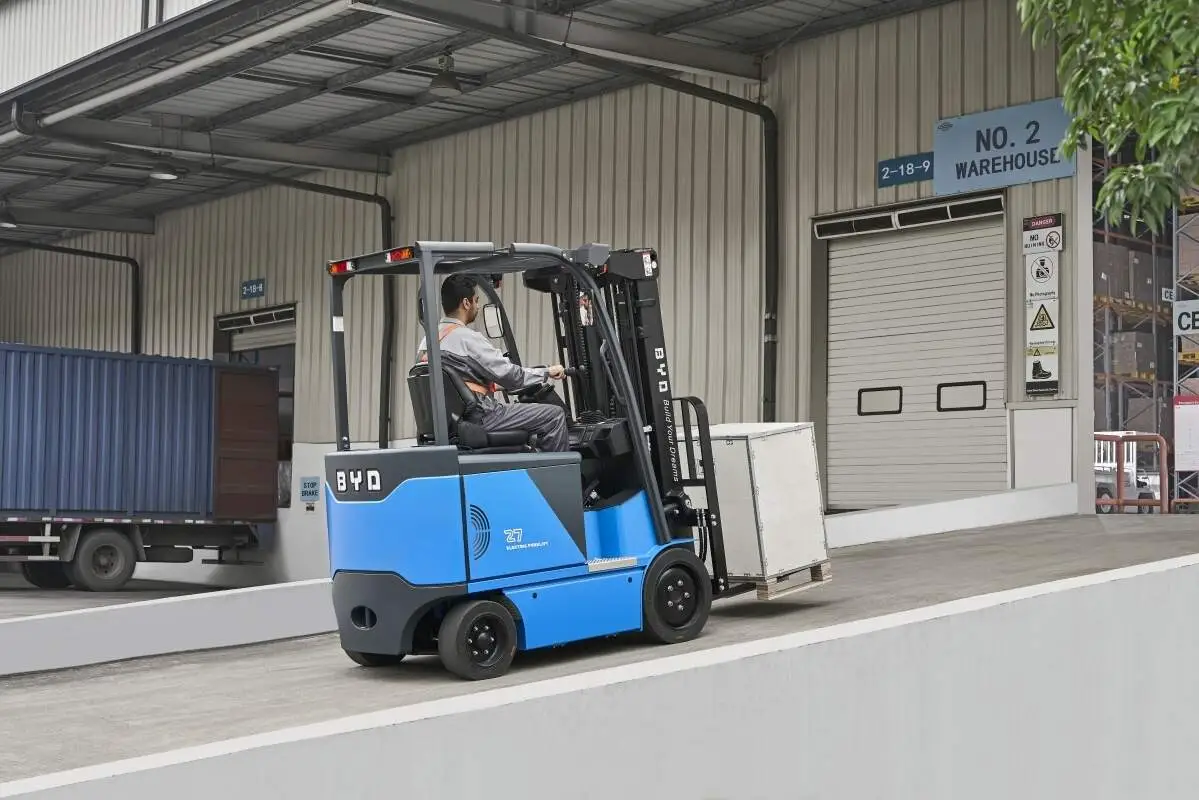
A forklift ball hitch attachment extends a forklift’s functionality by enabling it to tow trailers, carts, and other heavy loads, making it a versatile tool for warehouses, construction sites, and industrial facilities. Proper installation and operation are critical to ensure safe, efficient towing while protecting both the forklift and the attached load.
First, begin installation with pre-installation checks. Verify that the forklift’s towing capacity matches the attachment’s rated load limit. Inspect the attachment for any signs of damage, such as cracks or bent components, before proceeding. Gather necessary tools, including a torque wrench, socket set, and safety gloves.
Next, mount the base plate. Align the base plate with the designated mounting points on the forklift’s rear frame. Insert the provided bolts through the pre-drilled holes, then hand-tighten the nuts to hold the plate in place. Use the torque wrench to tighten each bolt to the specified torque value to prevent loose fittings during operation.
Then, attach the ball hitch. Screw the ball component onto the threaded portion of the base plate, ensuring it is seated fully. Again, use the torque wrench to secure it to the recommended torque, as an improperly fastened ball can detach during towing.
Conduct a post-installation test to finish setup. Gently shake the attachment to check for wobbling or loose connections. Pull the attachment forward slightly to confirm it holds firmly against the forklift frame. Only proceed with towing if the attachment is stable and secure.
Before any towing task, inspect the hitch and load. Confirm the load’s weight does not exceed the combined capacity of the forklift and attachment. Check that the trailer’s coupler is securely latched onto the ball hitch, and that safety chains are properly connected.
During operation, maintain slow, steady acceleration and deceleration. Sudden movements can cause the load to swing or the hitch to shift, increasing accident risks. When turning, reduce speed significantly to account for the extended length of the forklift and towed load, avoiding sharp turns that may lead to tipping or instability.
When parking, engage the forklift’s parking brake and chock the trailer’s wheels if necessary. Disconnect safety chains and coupler only after ensuring the trailer is stable and supported.
All operators using the ball hitch attachment must receive proper training on its use, including load limits and emergency procedures. Never operate the attachment with damaged components—inspect it regularly for wear, such as worn threads on the ball or loose bolts.
Lubricate the ball hitch’s moving parts periodically to reduce friction and prevent corrosion. Store the attachment in a dry, covered area when not in use to prolong its lifespan. If any components show excessive wear or damage, replace them immediately before further operation.