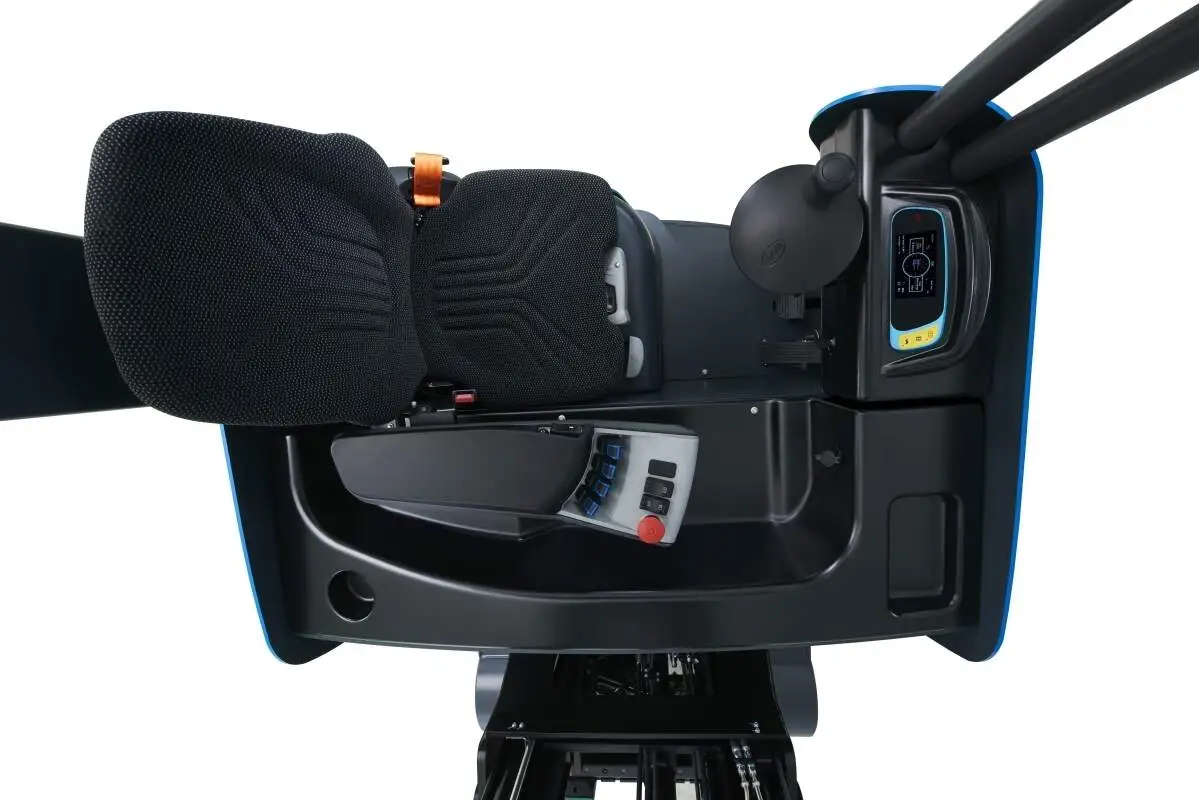
As businesses increasingly shift toward sustainable material handling solutions, brand-new electric forklifts have become a popular choice for warehouses, distribution centers, and manufacturing facilities. While they offer long-term operational savings, upfront purchase costs can vary significantly based on several key factors. Understanding these determinants is essential for buyers to create a realistic budget and select a forklift that aligns with their operational needs.
One of the most impactful cost factors is the battery type and capacity. Traditional lead-acid batteries have a lower initial purchase price, making them a budget-friendly option for small-scale operations. However, lithium-ion batteries, despite costing 30% to 50% more upfront, offer longer lifespans, faster charging times, and reduced maintenance requirements. Higher battery capacities designed for extended shift operations also increase the overall purchase cost due to more materials and advanced technology.
Load capacity and maximum lift height are another critical pair of factors influencing pricing. Electric forklifts range from compact 1-ton models for light-duty tasks to heavy-duty 5-ton+ units for handling large pallets or heavy materials. Lift heights span basic 3-meter models to high-reach 10+ meter units for rack storage. Each increase in capacity or height requires more robust motors, hydraulic systems, and structural components, directly translating to a higher purchase price. For example, a 3-ton electric forklift typically costs 40% more than a comparable 1-ton model.
Optional attachments and customizations add to the total cost. Businesses may need specialized features like side shifters for precise pallet positioning, rotating clamps for cylindrical materials, or integrated weighing systems for inventory management. Simple attachments like side shifters can increase prices by 10% to 15%, while complex customizations may raise costs by 25% or more. Buyers should assess operational needs to avoid unnecessary features that inflate upfront costs.
Warranty coverage and after-sales support also play a role in pricing. Forklifts with 2-3 year warranties (vs the standard 1-year coverage) may have a slightly higher upfront cost but protect against unexpected repair expenses. Manufacturers with extensive after-sales networks and 24/7 support may price their forklifts higher, as this support reduces downtime and adds long-term value.
Finally, build quality contributes to overall cost. Forklifts constructed with high-grade steel frames, durable hydraulic components, and efficient electric motors have a higher initial price tag but offer greater durability, lower long-term maintenance costs, and a longer service life, making them cost-effective for high-volume operations.
By evaluating these key factors, businesses can make a well-informed decision that balances upfront purchase costs with long-term operational efficiency and value, selecting a brand-new electric forklift that meets their needs without overspending.