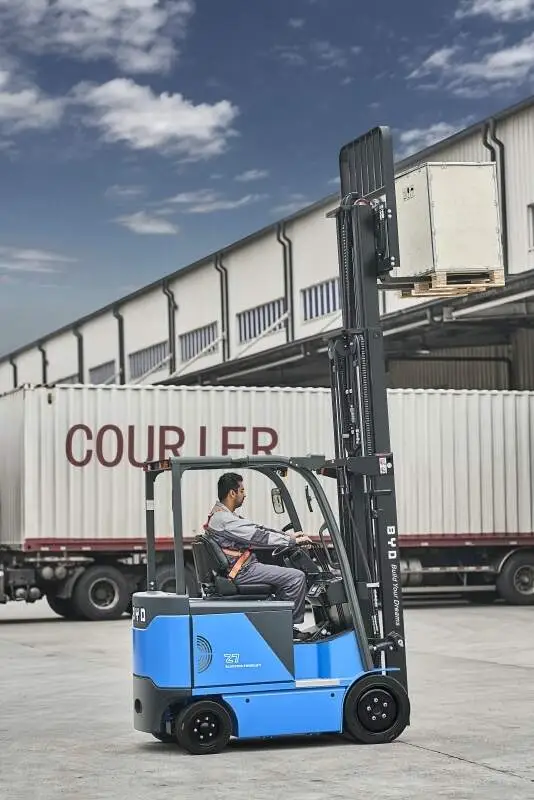
Investing in a pre-owned Bendi forklift can be a cost-effective solution for businesses needing flexible material handling equipment, but thorough condition evaluation is critical to avoid unexpected repair costs and operational downtime. A structured checklist helps buyers systematically assess every key component, ensuring the unit meets operational needs and offers long-term value.
Start with the exterior and structural integrity. Begin by inspecting the forklift’s overall frame, mast, and body panels. Look for signs of excessive rust, dents, or bent components, as these may indicate past accidents or poor maintenance. Check the mast for smooth movement and any signs of misalignment, which can affect lifting capacity. Pay attention to the forks—look for cracks, uneven wear, or bending, as damaged forks pose safety risks and may need replacement.
Next, evaluate the hydraulic system, which is central to the forklift’s lifting capabilities. Check for leaks in hoses, cylinders, and connections; even small leaks can lead to reduced performance over time. Operate the lift and tilt functions multiple times to ensure smooth, consistent movement. Listen for unusual noises like grinding or squealing during operation, which could point to worn pumps or valves. Verify that the hydraulic fluid level is within the recommended range and check its clarity—cloudy or contaminated fluid may indicate neglect.
Then, assess the electrical system. Start with the battery: check for corrosion on terminals, ensure the casing is intact, and verify the charge level using a multimeter. Inspect wiring harnesses for fraying, exposed wires, or loose connections, which can cause electrical failures. Test all lights (headlights, taillights, turn signals) and the horn to ensure they function correctly. For electric models, also check the motor and controller for signs of overheating or unusual smells, which may signal underlying issues.
Don’t overlook the drivetrain and mobility components. Inspect the tires for tread depth, even wear, and any cuts or punctures—worn tires can compromise stability and traction. Check the brakes by testing them at different speeds to ensure they engage smoothly and bring the forklift to a stop without pulling to one side. Listen for grinding noises when braking, which may indicate worn brake pads or rotors. Evaluate the steering system: turn the wheel fully in both directions to check for play or stiffness, which can affect maneuverability, especially in tight spaces where Bendi forklifts excel.
Finally, conduct a full operational test. Take the forklift for a test drive in a safe, open area to assess its acceleration, braking, and handling. Test the lifting capacity by loading a moderate weight and lifting it to full height, ensuring the mast remains stable. Observe how the forklift operates at different speeds and in reverse to identify any hidden issues. Also, check the fuel system (for internal combustion models) for leaks and ensure the engine starts easily and runs smoothly without excessive smoke.
By following this comprehensive condition evaluation checklist, buyers can confidently assess pre-owned Bendi forklift units, identify potential issues early, and make informed decisions that align with their business needs. A thorough inspection not only reduces the risk of unexpected costs but also ensures the forklift operates safely and efficiently for years to come.