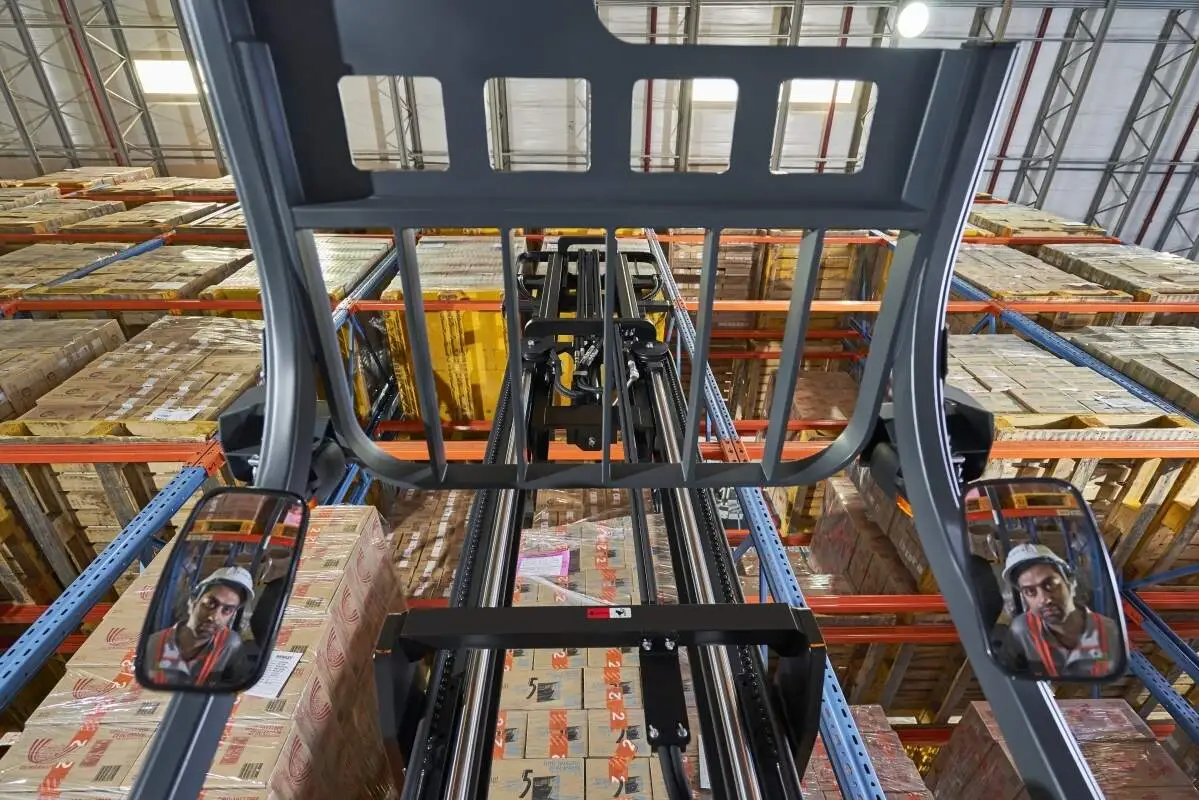
Industrial electric forklifts are essential tools in warehouses, distribution centers, and manufacturing facilities, but their improper use can lead to severe workplace accidents, injuries, and property damage. Adhering to strict safe operation protocols is critical to protecting operators, bystanders, and company assets.
Before starting any forklift operation, operators must conduct a comprehensive pre-use inspection. This includes checking the battery charge level to ensure sufficient power for the task, verifying that steering, brakes, lift and tilt mechanisms operate smoothly without malfunctions, inspecting tires for cracks, wear or improper inflation, and confirming safety features like horns, headlights, and seatbelts are fully functional. Any identified defects must be reported to the maintenance team immediately, and the forklift should be taken out of service until repairs are completed.
During operation, maintaining vigilance and following core safety rules is non-negotiable. Always fasten the seatbelt before engaging the forklift to prevent injury from sudden stops or turns. Adjust speed to match the environment: reduce speed in narrow aisles, crowded areas or on wet, slippery surfaces to avoid collisions. Keep a clear line of sight at all times, use side mirrors to monitor blind spots, and use turn signals or horn blasts to alert pedestrians and other equipment operators of your movements. When handling loads, ensure they are properly centered on the forks, secured if necessary, and never exceed the forklift’s rated load capacity. Avoid raising or lowering loads while traveling to maintain stability.
After completing operational tasks, proper post-operation steps help preserve the forklift’s condition. Park the forklift in a designated, level area away from pedestrian traffic and entryways. Engage the parking brake, lower the forks until they rest on the ground, turn off the ignition, and remove the key to prevent unauthorized use. Conduct a quick visual check for new damage and document observations in the maintenance log. For electric models, connect the forklift to the charger following recommended procedures in a well-ventilated area to prevent overheating.
Regular training and safety audits help operators stay proficient in protocols. Employers should implement ongoing training programs and foster a culture where workers feel comfortable reporting safety concerns. By prioritizing these structured protocols, workplaces can significantly reduce accident risks and create a safer, more productive environment for all personnel.