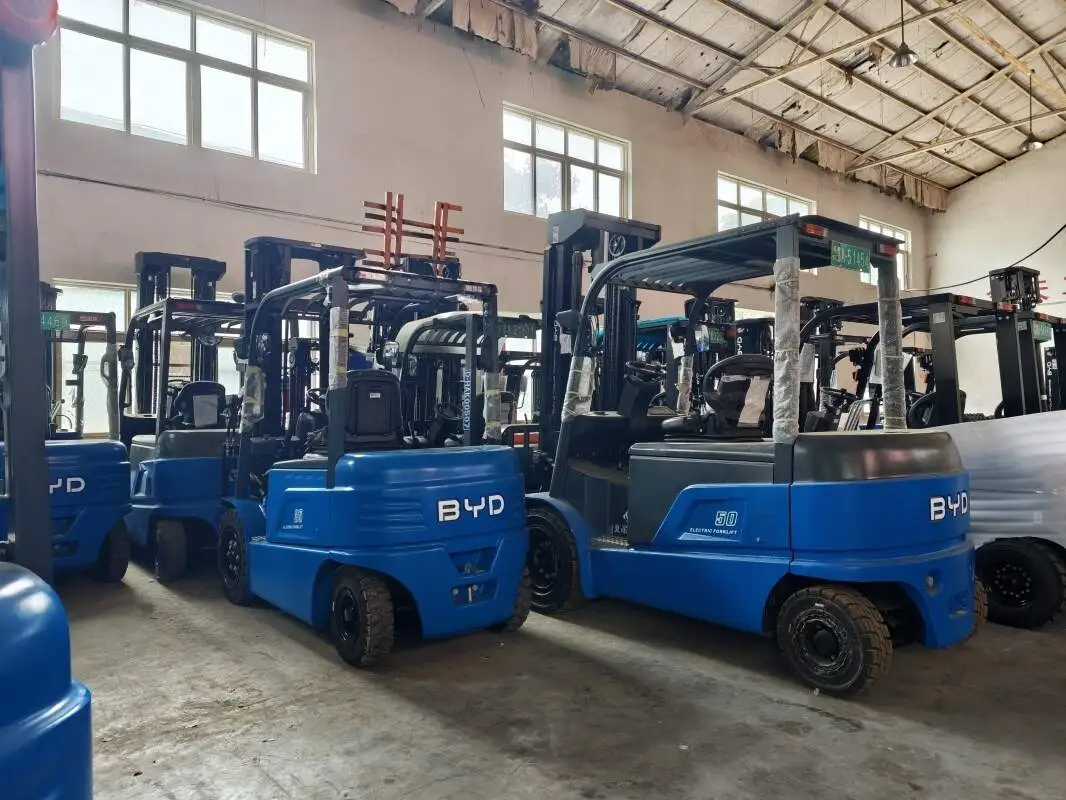
Loading dock ramps are high-risk areas for electric forklift operations due to their inclined surfaces, variable traction conditions, and frequent interaction with trucks and pedestrians. Adhering to strict safety protocols is critical to prevent collisions, tip-overs, and other workplace accidents. Below are essential guidelines to ensure safe electric forklift operation on loading dock ramp surfaces.
Before approaching the ramp, conduct a comprehensive pre-operation check of the electric forklift. Verify that the braking system is fully functional, as reliable stopping power is non-negotiable on inclined surfaces. Inspect tire tread depth and pressure to ensure adequate traction—worn or underinflated tires increase the risk of skidding. Check the hydraulic system for leaks, as compromised lifting capabilities can lead to load shifts during ramp travel. Additionally, assess the ramp itself: remove any debris, spilled liquids, or loose materials that could reduce traction. Look for structural damage like cracked concrete or uneven surfaces, and report any issues immediately before use.
When navigating the ramp, maintain a slow, steady speed at all times. Avoid sudden acceleration, braking, or sharp turns, as these actions can destabilize the forklift, especially on wet or slippery ramps. For uphill travel, position the forklift with the load facing forward, keeping the center of gravity as low as possible. This setup provides better visibility and reduces the risk of the forklift tipping backward. For downhill travel, operate the forklift in reverse, with the load positioned behind the operator. This configuration ensures that the load acts as a counterweight, minimizing the chance of a forward tip-over. Always keep a safe distance from the ramp’s edge to prevent falls, and never attempt to pass another vehicle or pedestrian on the ramp—wait until both parties have cleared the inclined area.
Proper load management is crucial for safe ramp operation. Never exceed the forklift’s rated load capacity, as overloading can significantly increase the risk of tipping on inclines. Ensure loads are evenly distributed across the forks and secured with straps or bindings to prevent shifting during travel. If transporting oversized or irregularly shaped loads, adjust your speed and maneuvering to compensate for the altered center of gravity. Avoid raising the load while on the ramp; keep forks lowered to a height just above the ground to maintain stability. If a load begins to shift while on the ramp, stop immediately in a safe position, do not attempt to correct it while the forklift is on the incline, and seek assistance to re-secure the load.
Even with strict adherence to protocols, emergencies can occur. If the forklift’s brakes fail while on an uphill ramp, engage the parking brake immediately and use the forklift’s horn to alert nearby personnel. Do not jump from the forklift; instead, stay seated and steer the vehicle toward a safe, flat area if possible. For downhill brake failure, try to gradually reduce speed by shifting into a lower gear (if applicable) and use the horn to warn others. If the forklift begins to skid, avoid overcorrecting the steering—maintain a firm grip on the wheel and slowly apply the brakes once traction is regained. In the event of a tip-over, stay inside the forklift’s protective cab, do not attempt to exit until the vehicle is stable, and contact emergency services if injuries occur.
Regular training and refreshers on ramp-specific safety protocols are essential for all forklift operators. Employers should conduct periodic drills to ensure operators are prepared to handle emergency situations on loading dock ramps. By following these guidelines, operators can minimize risks, protect themselves and others, and maintain a safe working environment in loading dock areas.