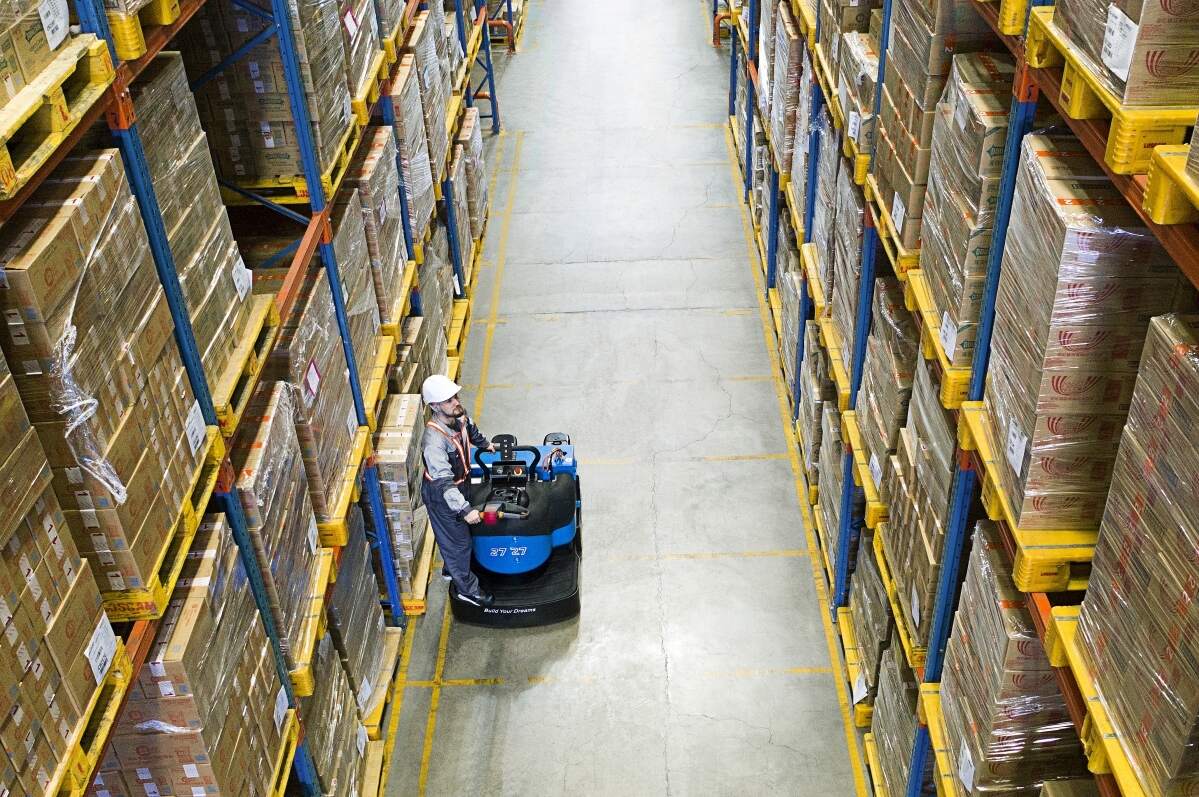
Routine maintenance is critical to extending the lifespan and ensuring reliable performance of electric forklift batteries, and a high-quality watering kit is an essential tool for this task. Without proper watering, lead-acid forklift batteries can suffer reduced capacity, shortened life, and even safety risks. Choosing the right watering kit requires careful consideration of several key factors to match your specific fleet needs and maintenance practices.
Compatibility is the first and most important factor to weigh when purchasing a forklift battery watering kit. Different forklift batteries have varying cell configurations and watering port layouts. A kit designed for small, compact batteries may not fit larger industrial-grade units, leading to inefficient watering or potential damage. Before making a purchase, check the battery’s voltage, cell count, and port dimensions to ensure the kit’s connectors and nozzles align perfectly. This ensures each cell receives the correct amount of water without spillage or over-watering.
For routine maintenance, efficiency is key—especially if you manage a fleet of forklifts. A user-friendly watering kit can reduce time and effort spent on battery care. Look for kits with intuitive designs, such as one-handed operation or automatic shut-off features that stop water flow once the cell reaches the optimal level. Kits with flexible hoses or extended nozzles can also make accessing hard-to-reach battery cells easier, minimizing the risk of accidental spills or operator fatigue during maintenance sessions.
Forklift batteries operate in tough industrial environments, often exposed to dust, moisture, and occasional impacts. Your watering kit needs to withstand these conditions to provide long-term value. Opt for kits made from corrosion-resistant materials like stainless steel or heavy-duty plastic, which can resist damage from battery acid and harsh cleaning chemicals. Check construction details, such as reinforced hose connections and sturdy nozzles, to ensure the kit can handle repeated use without wear or failure.
Working with forklift batteries involves potential risks, including exposure to corrosive acid and electrical hazards. A reliable watering kit should include safety features to protect both operators and batteries. Look for kits with anti-spill valves that prevent water from flowing back into the supply line, reducing the risk of acid splashes. Some kits also include pressure regulators to control water flow, ensuring cells are not overfilled—an issue that can lead to acid leakage and safety incidents. Additionally, kits with insulated handles or non-conductive components add an extra layer of protection against electrical shocks.
While it’s important to invest in a high-quality kit, you also need to consider your budget. Compare the upfront cost with the kit’s lifespan and features to determine its long-term value. Cheaper kits may save money initially but often lack durability or essential safety features, leading to higher replacement costs over time. On the other hand, premium kits with advanced features may be unnecessary if you have a small fleet or less frequent maintenance needs. Evaluate your maintenance schedule and fleet size to choose a kit that balances performance and affordability.
By taking these factors into account—compatibility, ease of use, durability, safety, and cost-effectiveness—you can select a forklift battery watering kit that supports efficient routine maintenance. A well-chosen kit will not only help keep your forklift batteries in optimal condition but also reduce downtime, lower maintenance costs, and ensure a safer working environment for your team. Investing in the right tool is a small step that delivers significant returns for your forklift fleet’s performance and longevity.