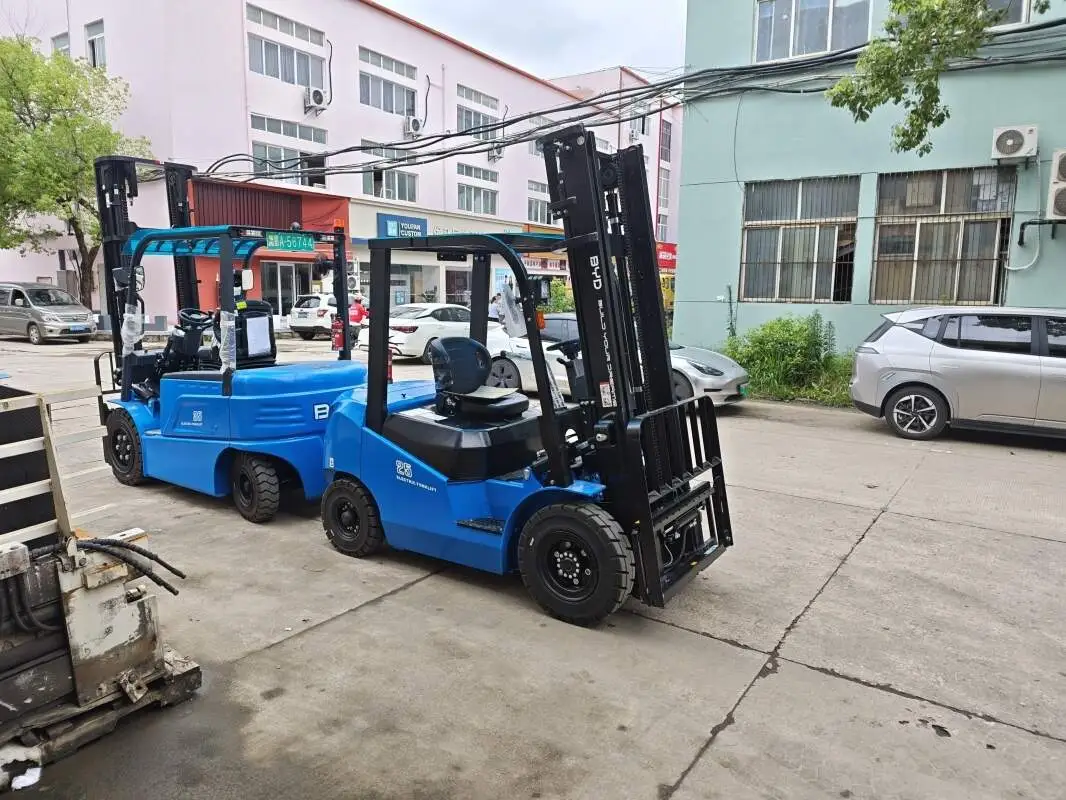
Heavy-duty counterbalance forklifts are critical for large-scale material handling projects, from warehouses to construction sites. Selecting the right model requires systematic evaluation of key criteria to align with project demands, boost safety, and deliver long-term value.
First, prioritize load capacity. Assess the maximum weight of regular and peak loads, along with load dimensions. Mismatched capacity risks equipment strain, safety hazards, and shortened lifespan. Extended forks or specialized attachments may be needed for tall or wide loads.
Next, evaluate the operational environment. Outdoor sites with uneven terrain need robust tires and high ground clearance. Indoor facilities benefit from electric models to reduce emissions and noise. Narrow corridors require tight turning radii, while hazardous areas demand explosion-proof components.
Ergonomics directly impacts productivity and safety. Long shifts cause fatigue, increasing error risks. Look for adjustable seats, intuitive controls, and unobstructed visibility to enhance operator comfort and reduce accident likelihood.
Maintenance and reliability are essential. Frequent repairs disrupt timelines and raise costs. Choose models with easily accessible components for routine checks and built-in diagnostics to catch issues early. Ensure replacement parts are readily available to minimize downtime.
Finally, consider energy efficiency and total cost of ownership. electric forklifts have lower ongoing costs and suit indoor use, while diesel models are better for heavy outdoor tasks. Calculate upfront price plus long-term expenses like fuel, maintenance, and insurance for cost-effective choices.
By evaluating these criteria, you’ll select a forklift that meets project needs, ensuring smooth operations, safety, and optimal return on investment.