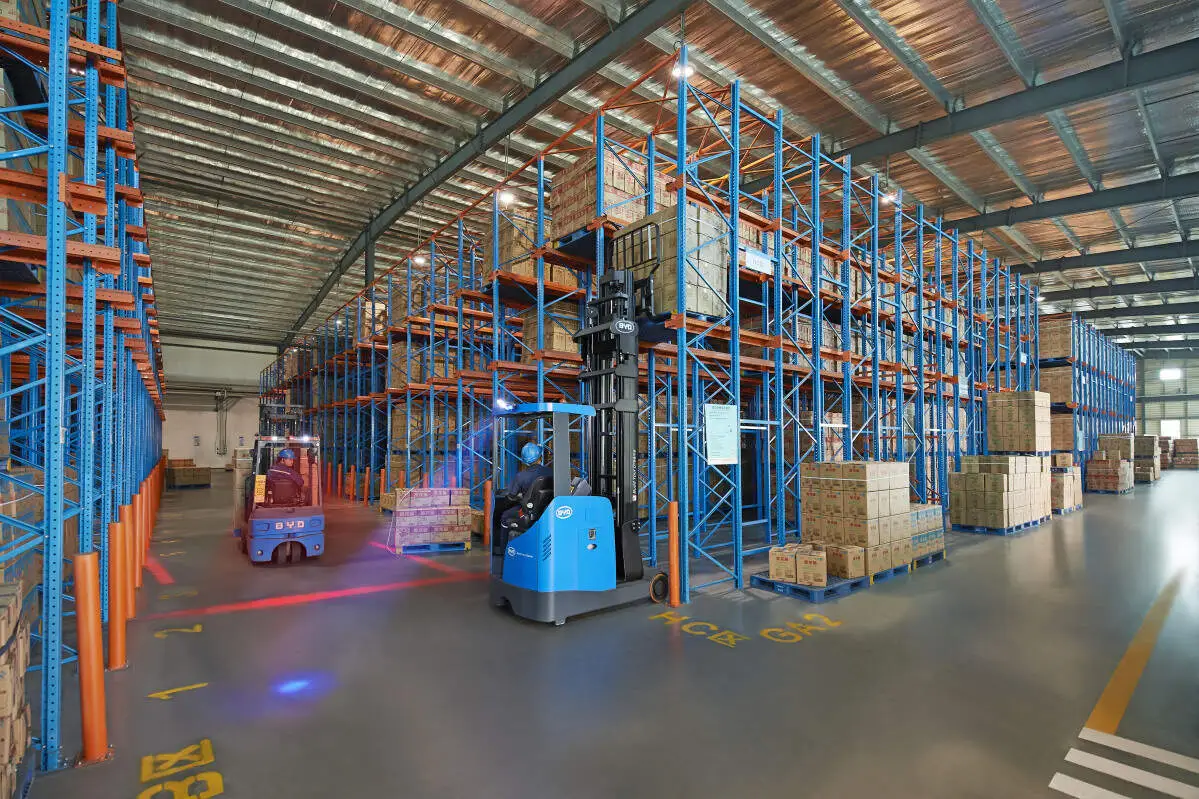
Loading tasks involving forklift drum grabbers present unique workplace hazards, from unstable loads to equipment malfunctions, making strict safety protocols essential to protect workers and prevent costly incidents. By following structured safety guidelines, teams can minimize risks and maintain a secure operating environment.
Pre-Operation Safety Checks
Before initiating any loading task, a comprehensive pre-operation inspection is non-negotiable. Start by examining the forklift drum grabber: inspect the clamps, hinges, and locking mechanisms for signs of wear, corrosion, or damage that could compromise grip. Verify that the grabber’s hydraulic connections are tight and free of leaks. Next, assess the forklift itself: check brake responsiveness, tire pressure, steering functionality, and fluid levels to ensure the vehicle operates smoothly.
Additionally, evaluate the work area. Confirm the loading zone has a flat, stable surface free of debris, uneven terrain, or overhead obstacles that could interfere with movement. Ensure clear visibility by removing any obstructions and verifying that safety signs, such as load limit markers and pedestrian crossing alerts, are visible and up-to-date. All personnel involved in the task must wear appropriate personal protective equipment (PPE), including hard hats, high-visibility vests, steel-toe boots, and cut-resistant gloves to mitigate injury risks.
During Loading: Safe Handling Practices
Once pre-operation checks are complete, proceed with loading tasks methodically. Position the forklift at a safe distance from the drum, ensuring the grabber aligns evenly with the drum’s top lip. Adjust the grabber’s clamping force to match the drum’s weight and material—over-tightening can damage the drum, while insufficient clamping may cause it to slip mid-transit.
Lift the drum slowly and steadily, maintaining a low center of gravity to prevent tipping. Avoid sudden accelerations, decelerations, or sharp turns, which can destabilize the load. Keep the drum at a height that allows clear forward visibility, and never exceed the forklift’s rated load capacity, as overloading can lead to equipment failure.
Throughout the loading process, communicate clearly with any ground personnel using standardized hand signals or two-way radios. Never leave the forklift unattended with a lifted drum, and avoid walking or standing under a suspended load, as this poses a severe crush hazard.
Post-Loading Task Protocols
After completing the loading task, secure the forklift and drum grabber properly. Lower the grabber to the ground, release the clamps, and inspect the grabber for any new damage incurred during the task. Park the forklift in a designated area, engage the parking brake, and turn off the engine.
Inspect the loaded drum to ensure it remains stable and undamaged. Clear the loading zone of any tools or debris to prevent tripping hazards for future operations. Finally, document any issues identified during pre-operation, loading, or post-task checks in a maintenance log, ensuring prompt repairs or adjustments are scheduled to maintain equipment safety.
Emergency Response Preparedness
Despite strict protocols, emergencies can occur. All personnel should be trained to respond to common incidents, such as a slipping drum or hydraulic leak. If a drum slips, do not attempt to catch it—step back immediately and alert others to clear the area. For hydraulic leaks, shut off the forklift engine and contact maintenance personnel to address the issue safely.
Regular emergency drills should be conducted to reinforce response procedures, ensuring workers can act quickly and confidently in critical situations. Additionally, maintain access to first aid kits and emergency contact information near the loading zone to provide immediate assistance if an injury occurs.
By prioritizing these safety protocols, organizations can create a culture of safety around forklift drum grabber loading tasks, reducing the likelihood of accidents and protecting both personnel and assets.