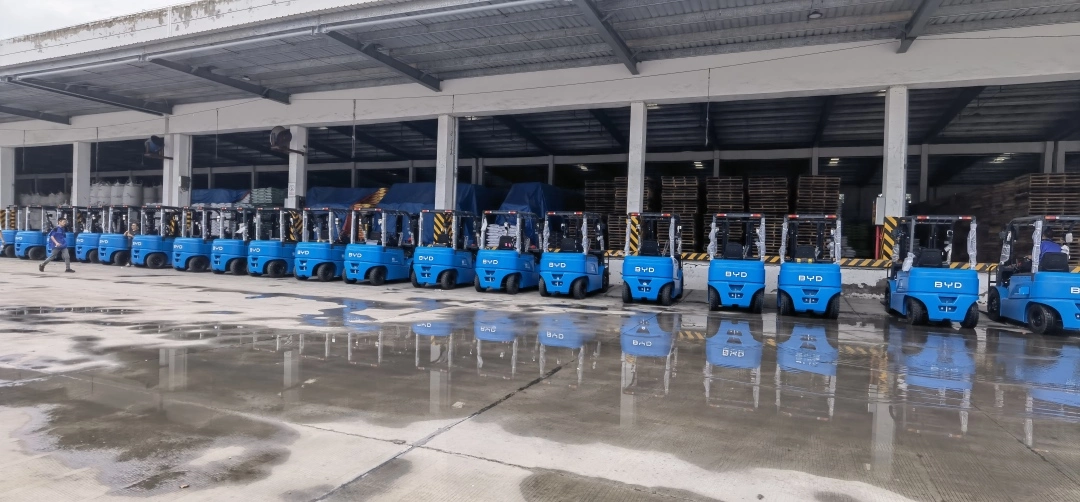
As a critical component of forklift operations, standard fork blades directly impact load handling safety, efficiency, and equipment longevity. The 48 x 4 inch standard forklift fork blades are widely used in warehouse, logistics, and industrial settings due to their balanced design that aligns with common pallet dimensions and load requirements.
Starting with core dimensional parameters, the 48-inch length is engineered to provide sufficient support for most standard pallets, ensuring the load is evenly distributed across the fork surface to minimize tipping risks. The 4-inch width offers a stable base for loads of varying shapes, preventing smaller items from slipping through gaps. While thickness can vary slightly based on specific use cases, the standard thickness for these blades ranges from 1.25 to 1.5 inches, chosen to balance structural strength with weight efficiency, avoiding unnecessary strain on the forklift’s lifting mechanism.
Material and mechanical parameters are equally important for reliable performance. These standard fork blades are typically constructed from high-strength alloy steel, with a minimum yield strength of 50,000 psi and tensile strength of 70,000 psi. These metrics ensure the forks can withstand repeated lifting cycles and heavy loads without permanent deformation or fracture, adhering to universal industrial safety guidelines for material handling equipment.
Load capacity parameters are tied directly to the fork’s dimensions and material. For 48 x 4 inch blades, the rated load capacity typically ranges from 5,000 to 10,000 pounds when measured at a standard 24-inch load center. It’s essential to note that load capacity decreases as the load moves farther from the forklift’s mast, so operators must always reference the load center specification to avoid overloading. Additionally, fork mounting type (such as hook-style installations) can influence effective load capacity, with proper fitting ensuring full utilization of the fork’s strength.
Installation and alignment parameters play a key role in safe operation. The hook section of the fork is designed to fit standard forklift carriage widths, with a recommended clearance of no more than 0.25 inches between the fork hook and carriage bracket to prevent lateral movement. After installation, fork tip alignment should be checked to ensure the two blades are parallel within 0.5 inches of each other; misaligned forks can cause uneven load distribution and increase accident risks.
Finally, maintenance and wear parameters are crucial for extending fork lifespan and maintaining safety. Industry guidelines recommend replacing forks when the tip wears down by more than 10% of its original thickness, or when visible cracks exceed 0.5 inches in length. Regular inspections, ideally conducted monthly for high-use equipment, should check for signs of bending, corrosion, or loose mounting hardware to address issues before they lead to equipment failure.