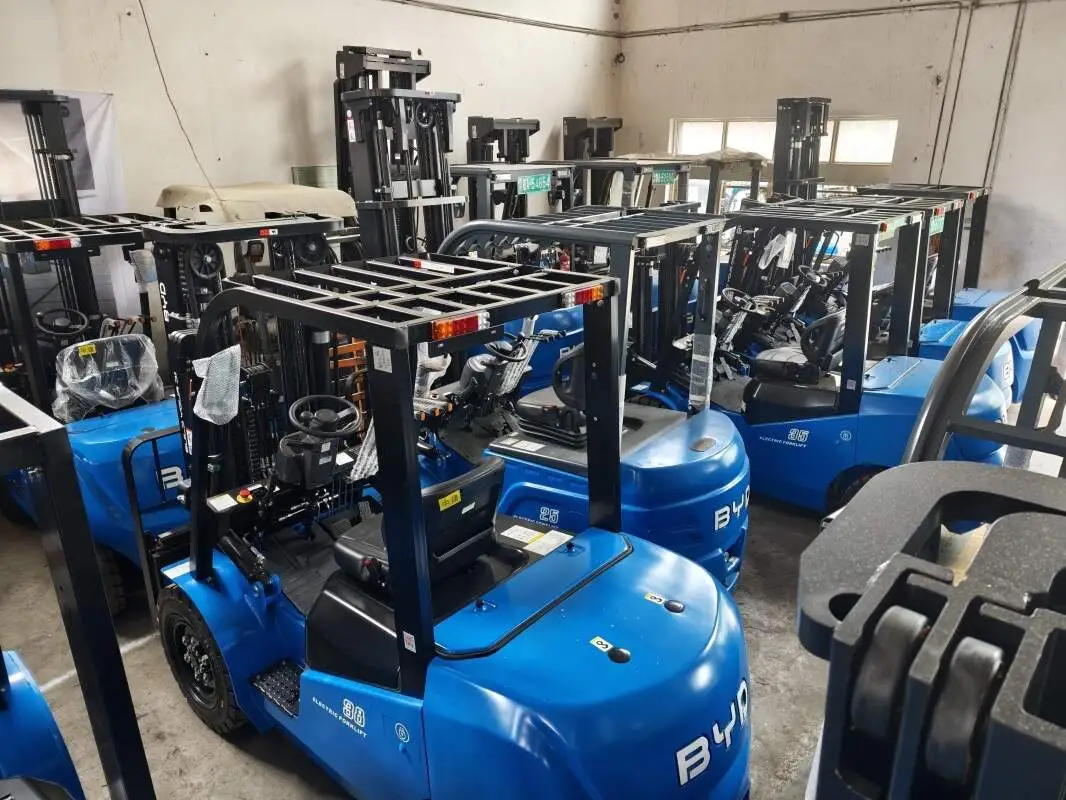
electric forklifts are integral to modern material handling operations, offering efficiency and maneuverability in warehouses, distribution centers, and industrial settings. However, their safe and reliable operation begins with a comprehensive pre-start inspection. Skipping these checks can lead to equipment malfunctions, workplace accidents, and costly downtime, making systematic pre-operation assessments a non-negotiable part of daily workflows.
Start with a visual exterior inspection to identify obvious signs of damage or wear. Examine the forklift’s body for dents, cracks, or loose components that could compromise structural integrity. Inspect the tires for proper inflation, uneven wear, or cuts—underinflated tires can affect stability and handling, while damaged tires may fail during operation. Check the forks for bending, cracking, or excessive wear, as compromised forks pose a risk of load collapse. Also, inspect the lift chains for tightness, corrosion, or broken links, and look for any signs of hydraulic fluid leaks, which can indicate system failures.
Next, focus on the power system, the heart of electric forklifts. Verify the battery’s charge level using the built-in indicator; low charge can lead to unexpected shutdowns mid-operation. Inspect battery terminals for corrosion or loose connections, as poor electrical contact can cause power interruptions or damage to the battery. Check the wiring harness for fraying, cuts, or exposed wires, which pose electrical hazards. Ensure the battery compartment is clean and free of debris, as accumulated dirt can interfere with cooling and electrical performance.
Move on to the control and operational systems to confirm functionality. Test the steering wheel for smooth movement without excessive play, which could indicate steering component wear. Engage the parking brake and test service brakes by applying them gently while the forklift is stationary—ensure they engage firmly without slipping. Check the accelerator and brake pedals for responsive feedback, and test the hydraulic controls for smooth lifting, lowering, and tilting of the forks. Verify that all lights (headlights, turn signals, hazard lights) and the horn are working properly, as these are critical for communicating with other workers in busy environments.
Don’t overlook safety devices designed to protect operators and bystanders. Inspect the seat belt for fraying, buckling issues, or damage—ensure it fits securely and locks properly. Check the stability of the operator’s seat, as a wobbly seat can affect control. Test the reverse alarm to ensure it emits a clear, audible signal when the forklift is shifted into reverse. Verify the condition of the overhead guard, which protects the operator from falling objects, and ensure the load backrest extension is in place to prevent loads from sliding backward.
Finally, conduct a short pre-operational test run. Drive the forklift at low speed in a clear area to test steering responsiveness, brake effectiveness, and hydraulic system performance. Listen for unusual noises, such as grinding or squealing, which could indicate underlying mechanical issues. If any irregularities are detected during the inspection or test run, remove the forklift from service and report the issues to maintenance personnel before resuming material handling tasks.
By consistently performing these pre-start inspections, operators can mitigate risks, ensure compliance with workplace safety regulations, and extend the lifespan of electric forklifts. These checks are not just a formality—they are a fundamental step in creating a safe and efficient material handling environment.