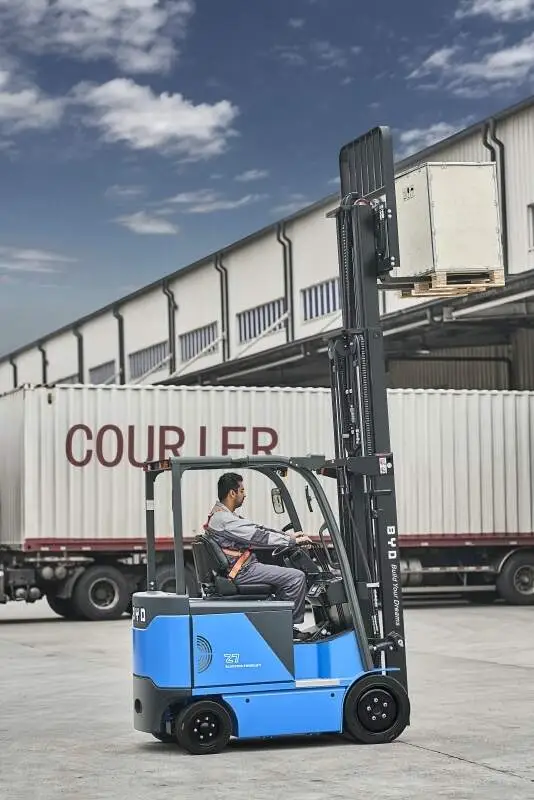
Long fork extensions are widely used in material handling to accommodate longer, bulkier loads that standard forklift forks cannot support. While these extensions enhance operational flexibility, they also introduce unique safety risks due to altered forklift stability and load dynamics. Adhering to strict safety regulations is critical to prevent tip-overs, load drops, and other workplace incidents.
Pre-Operation Inspection Protocols
Before using a forklift with long fork extensions, operators must conduct a thorough pre-operation inspection. Start by examining the extensions for signs of wear, cracks, or bending—damaged extensions can fail under load, leading to catastrophic accidents. Verify that the extensions are securely attached to the standard forks, with all locking mechanisms engaged and tightened. Additionally, inspect the forklift’s hydraulic system, brakes, and tires to ensure they are in proper working condition; compromised components increase the risk of instability when using extended forks. Document all inspection findings and report any defects to supervisors before operating the equipment.
Load Capacity and Stability Management
One of the most critical safety regulations is adhering to reduced load capacities when using long fork extensions. Extended forks shift the forklift’s center of gravity forward, significantly decreasing its maximum safe load limit. Operators must consult the forklift’s load capacity chart, which specifies allowable weights for different fork extension lengths. Never exceed these limits, even for short periods. When positioning loads on extended forks, ensure the load is evenly distributed and centered as much as possible. Avoid lifting unbalanced loads, as they can cause the forklift to tip forward or sideways. When transporting loads, keep them as low to the ground as feasible to maintain stability, especially when turning or traveling over uneven surfaces.
Safe Operating Practices
During operation, operators must adjust their handling techniques to account for the extended forks’ increased length. Reduce travel speed to compensate for reduced maneuverability—higher speeds increase the risk of tip-overs, particularly when turning. Maintain a clear line of sight; if the load blocks forward visibility, travel in reverse while keeping a watchful eye on the path. Avoid sudden stops, starts, or sharp turns, as these movements can shift the load and destabilize the forklift. When lifting loads, do so slowly and smoothly, ensuring the load is fully supported by the extensions before raising it. When lowering loads, ensure the area beneath is clear of personnel and obstacles to prevent accidental injuries.
Mandatory Operator Training
Only trained and certified operators are permitted to operate forklifts with long fork extensions. Standard forklift certification is not sufficient; operators must complete specialized training that covers the unique risks and handling requirements of extended forks. This training should include instruction on load capacity calculations, stability principles, pre-operation inspection procedures, and emergency response protocols. Employers must ensure that all operators receive regular refresher training to reinforce safe practices and address any new safety guidelines. Operators should also be trained to recognize and respond to potential hazards, such as uneven terrain, overhead obstacles, and crowded workspaces.
Post-Operation Procedures
After completing tasks with long fork extensions, operators must follow post-operation safety protocols. Lower the extensions to the ground and remove them from the forklift, storing them in a designated, secure area to prevent damage or unauthorized use. Conduct a final inspection of the extensions and forklift, checking for any damage incurred during operation. Report any issues to maintenance personnel immediately. Proper storage of extensions ensures they remain in good condition for future use and reduces the risk of tripping hazards in the workspace.
By following these comprehensive safety regulations, operators can minimize risks associated with using long fork extensions, creating a safer work environment for themselves and their colleagues. Regular compliance with these guidelines is essential to maintain operational efficiency while prioritizing workplace safety.