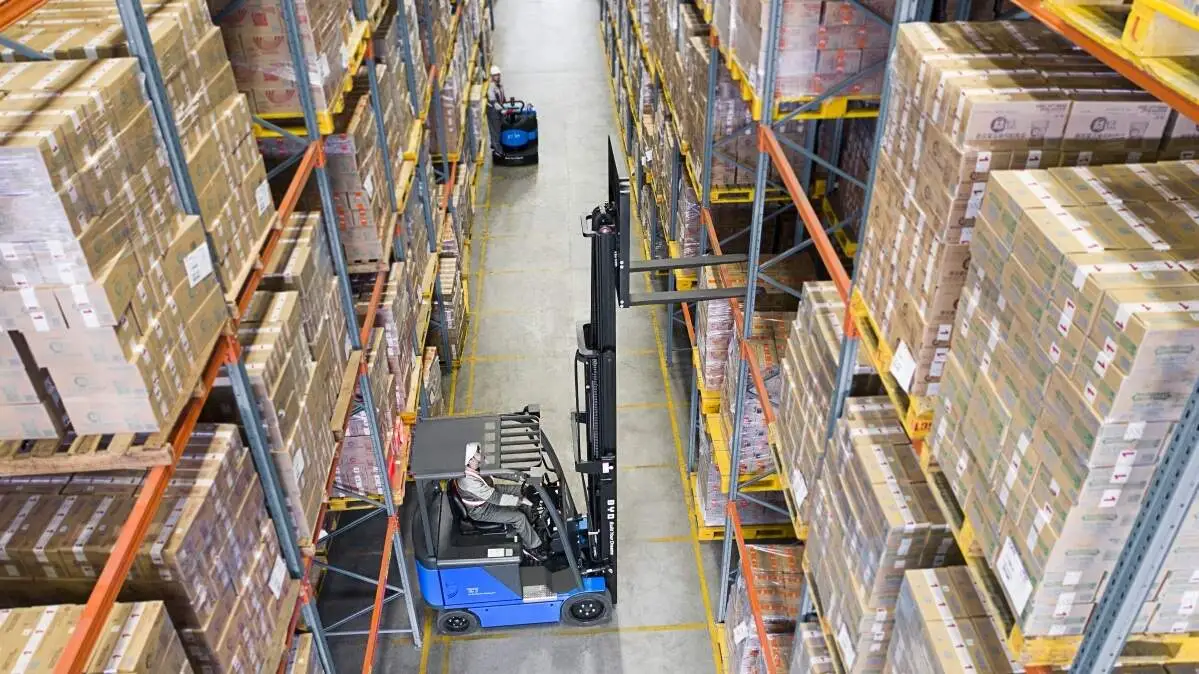
forklift operating zones in warehouses and industrial facilities are high-risk areas where heavy machinery interacts with pedestrians, making clear safety signage a non-negotiable component of workplace safety. Well-designed and strategically placed signs help reduce accidents, guide operators and pedestrians, and ensure compliance with occupational safety standards. Below are evidence-based recommendations for effective safety signage in these zones.
Hazard warning signs are foundational for mitigating immediate risks. Use bold, high-contrast yellow and black designs to ensure visibility from a distance. Post these signs at entry points to forklift zones and near specific hazards like blind spots, low ceilings, or uneven loading docks. For example, a "Blind Spot Ahead" sign reminds operators to slow down and use mirrors, while pedestrians learn to avoid sudden movements in those areas. These signs act as constant reminders to prioritize caution.
Directional and flow signs help establish predictable movement patterns, a key factor in preventing collisions. Install one-way traffic signs, loading zone markers, and pedestrian walkway delineators at intersections, aisle entrances, and crosswalks. Clear arrows and text guide forklift operators to stay in designated lanes and inform pedestrians of safe foot traffic areas. A "Forklift Traffic – Keep Right" sign maintains orderly flow, while a "Pedestrian Walkway – Stay Clear" reinforces boundaries between machinery and people.
Safety distance signs are critical for preventing close calls. Post signs indicating minimum safe distances, such as "Maintain 8-Foot Distance from Forklifts," in high-traffic areas like near break rooms or pedestrian corridors. These signs remind pedestrians to avoid forklift turning radii and operators to monitor their surroundings closely. Consistent visibility of these signs reinforces the habit of keeping a safe buffer zone at all times.
Emergency response signage ensures quick access to critical resources during incidents. Use reflective materials for signs marking emergency exits, first aid stations, fire extinguishers, and spill clean-up kits. Place these signs near forklift charging stations and loading areas, where fire or equipment failure risks are higher. Ensuring these signs are unobstructed and visible in low light allows personnel to respond rapidly to emergencies without confusion.
Proper placement and regular maintenance amplify the effectiveness of safety signage. Mount signs at eye level for both seated forklift operators and standing pedestrians, avoiding obstructions like pallets or equipment. Conduct monthly inspections to check for fading, damage, or misplacement, replacing signs promptly. Additionally, train all personnel to understand sign meanings and respond appropriately, turning signage into an active part of workplace safety culture.
Implementing these recommendations creates a more secure environment for everyone in forklift operating zones. By prioritizing clear, compliant signs, facilities reduce accident rates, improve efficiency, and foster a proactive safety culture. Safety signage is not just a regulatory requirement—it is a vital measure to protect lives and minimize workplace risks.