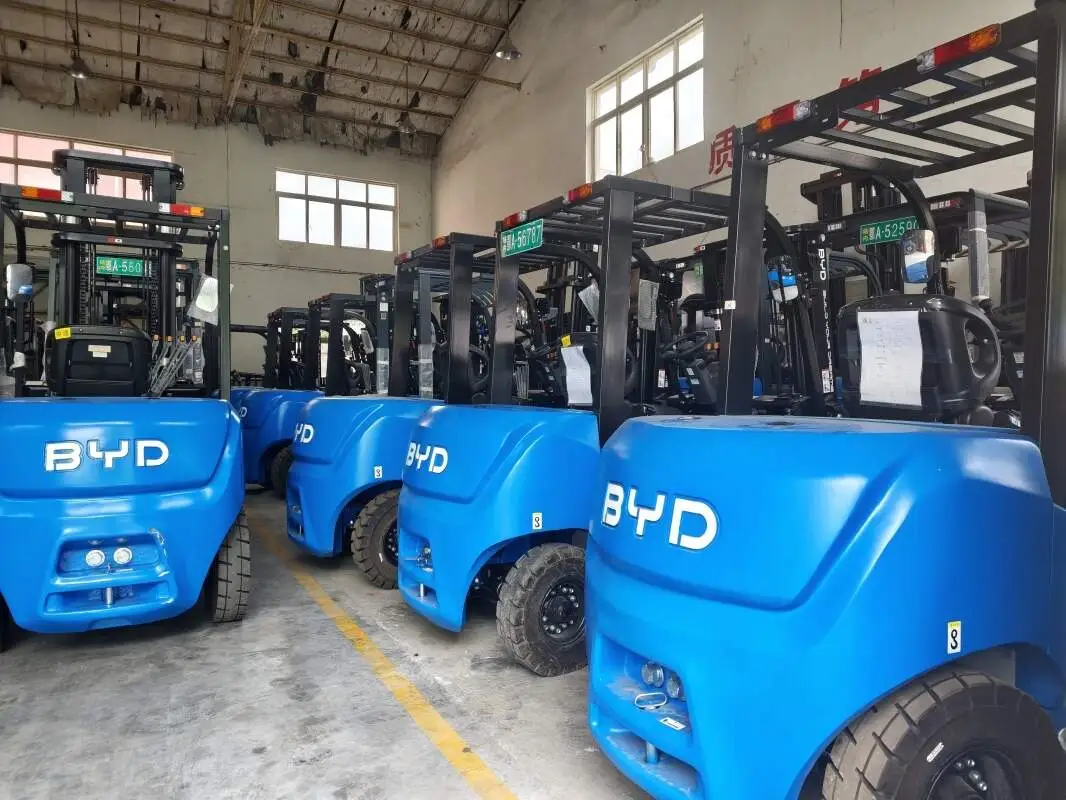
forklift ramps are essential for enabling smooth forklift movement between ground level and container interiors, making them a cornerstone of efficient container access operations. Adhering to strict safety standards is non-negotiable to minimize risks of accidents, equipment damage, and workplace injuries.
First, design specifications must align with operational needs and safety benchmarks. Ramps must be engineered to support the maximum combined weight of the forklift and its payload, with a 20% safety margin to account for dynamic forces during ascent and descent. The slope angle is critical: for counterbalance forklifts, optimal slopes range from 1:6 to 1:8, as steeper angles can compromise stability and increase tipping risks. Non-slip surfaces, such as textured steel plating or rubber coatings, are mandatory to maintain traction in wet, oily, or dusty conditions. Additionally, side barriers at least 10cm high should be installed along ramp edges to prevent forklifts from veering off course.
Proper installation and pre-operation inspections are equally vital. Ramps must be placed on flat, compacted ground and secured to the container or loading dock using locking mechanisms to avoid shifting during use. Before each shift, operators should conduct visual checks for signs of wear, including cracked welds, bent structural components, or worn non-slip surfaces. Any damage must be addressed immediately, and ramps should be taken out of service until repairs are completed by qualified personnel.
During operation, operators must follow strict protocols to ensure safety. Forklifts should ascend and descend ramps at a slow, steady speed—no faster than 5 km/h—to maintain full control. The forklift’s load should be positioned as low to the ground as possible to lower the center of gravity, reducing tipping risks. Operators should also confirm that no personnel are standing on or near the ramp during forklift movement, and clear warning signage should be posted to mark ramp access points and alert workers to potential hazards.
Regular maintenance is key to extending ramp lifespan and sustaining safety. Ramps should be cleaned daily to remove debris, oil, or other substances that could reduce traction. Structural components should be inspected monthly for corrosion or metal fatigue, and any necessary repairs or replacements should be documented in a maintenance log. By following these standards, businesses can create a safer work environment, ensure compliance with occupational safety regulations, and optimize the efficiency of container access operations.