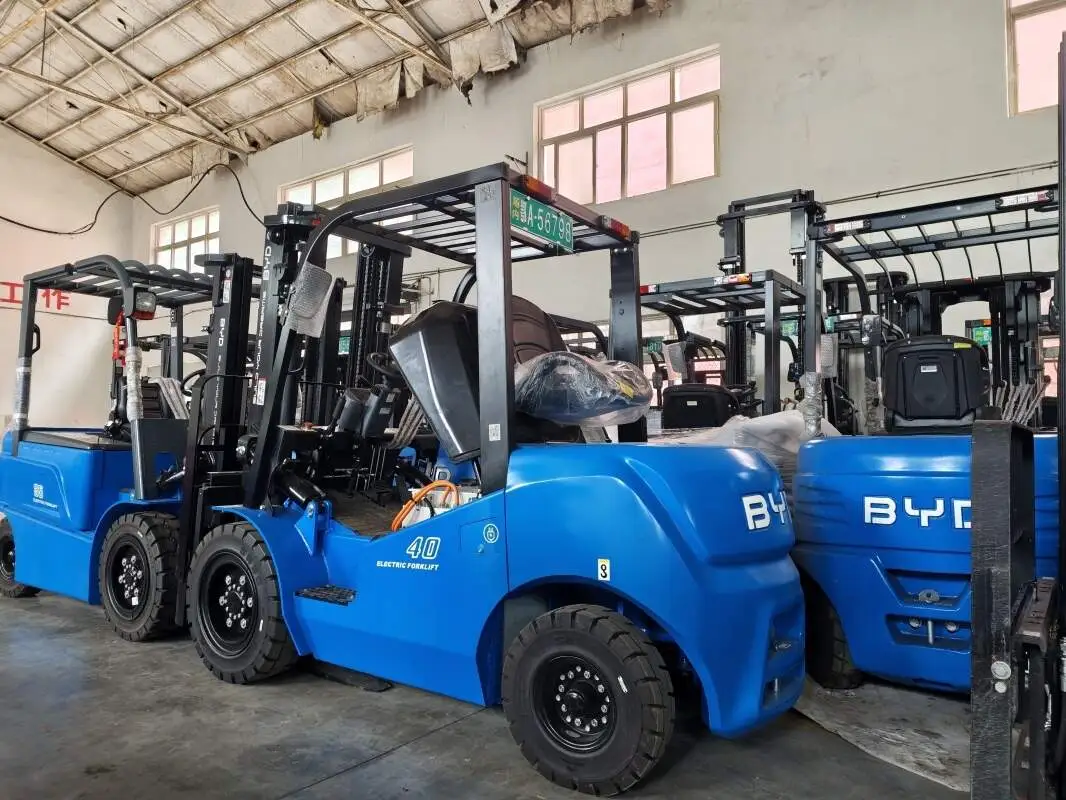
forklift extension tools are widely employed in material handling operations to reach loads that lie beyond the standard reach of a forklift’s forks. While these tools enhance operational flexibility, they significantly alter the forklift’s load-bearing dynamics, making load capacity considerations critical to prevent accidents, equipment damage, and compliance violations.
The core principle of forklift stability relies on maintaining the center of gravity within the forklift’s designated stability triangle. When extensions are attached, the effective length of the forks increases, shifting the load’s center of gravity further away from the forklift’s body. This shift reduces the maximum safe load capacity, even if the load’s weight falls within the forklift’s standard rating. Operators must calculate the adjusted load capacity based on the extension’s length—typically, each inch of extension decreases the safe load by a proportional amount. For example, extending forks by 2 feet may reduce the allowable load by 20-30% depending on the forklift’s design. It is essential to distribute the load evenly across the extension’s length to avoid uneven weight distribution that could cause further instability.
Not all forklift extensions are created equal, and their physical properties directly influence load capacity. Longer extensions amplify the center of gravity shift more dramatically, requiring a steeper reduction in allowable load. Additionally, the material of the extension—whether steel, aluminum, or composite—affects its strength and weight. Heavier extensions add to the forklift’s overall load, further reducing the capacity available for the intended cargo. Operators must refer to the extension manufacturer’s guidelines to determine the maximum safe load for each specific extension length and material, as these specifications are tailored to the tool’s structural limits.
Before utilizing forklift extension tools, a thorough pre-use inspection is mandatory to ensure both the extension and the forklift are in optimal condition. Inspections should include checking for cracks, bends, or wear in the extension’s frame, ensuring secure attachment to the forklift’s forks, and verifying that the forklift’s hydraulic systems are functioning correctly. Compliance with local occupational safety regulations is non-negotiable; many regions require operators to use extensions only within the load limits specified by both the forklift and extension manufacturers. Failure to adhere to these guidelines can result in fines, workplace incidents, and damage to equipment.
Proper training is a cornerstone of safe forklift extension use. Operators must understand how to calculate adjusted load capacities, recognize stability risks, and respond to potential hazards such as uneven terrain or slippery surfaces. Environmental conditions also play a role in load capacity considerations. Operating on sloped ground, wet floors, or uneven surfaces further reduces the forklift’s stability, requiring an additional reduction in the safe load. Operators must adjust their load limits accordingly and avoid using extensions in environments that pose excessive stability risks.
In conclusion, forklift extension tools offer valuable operational benefits, but their use requires careful attention to load capacity considerations. By prioritizing weight distribution, understanding extension length impacts, conducting regular inspections, ensuring operator training, and accounting for environmental factors, businesses can maintain safe, compliant, and efficient material handling operations. Ignoring these considerations not only puts personnel at risk but also leads to costly equipment damage and regulatory penalties.