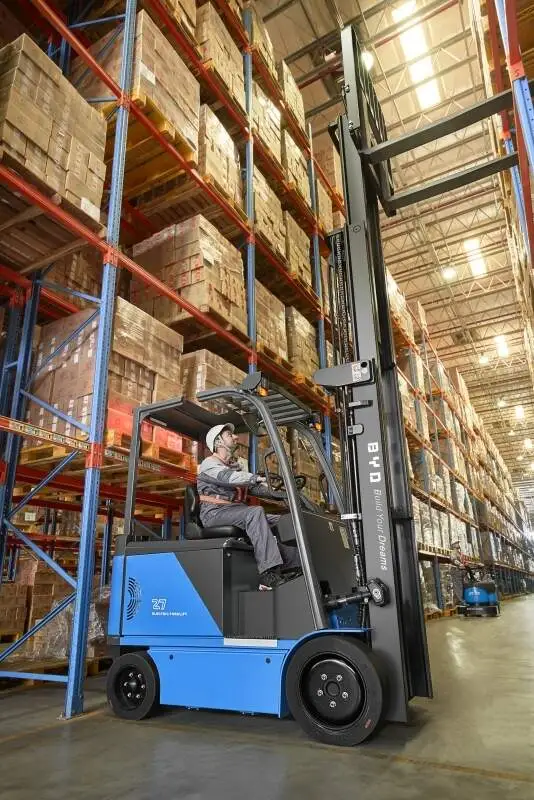
Lifting failures in electric forklifts can lead to costly downtime, workplace safety incidents, and damage to cargo or equipment. Implementing proactive preventive maintenance is critical to mitigating these risks and ensuring reliable, safe operations.
Regular Hydraulic System Inspections
The hydraulic system is the backbone of a forklift’s lifting capabilities, so consistent inspections are essential. Start by checking hydraulic fluid levels daily; low levels can cause slow lifting or complete failure. Inspect hoses, seals, and connections for signs of leaks, cracks, or wear, as even small leaks can lead to pressure loss over time. Replace worn seals and damaged hoses promptly to prevent contamination of the hydraulic fluid. Additionally, follow manufacturer guidelines to change hydraulic filters at recommended intervals, as clogged filters reduce system efficiency and can cause component damage.
Lifting Chain and Pulley Maintenance
Worn or damaged lifting chains and pulleys are leading causes of lifting failures. Conduct weekly visual inspections of chains for signs of stretching, corrosion, or broken links. Use a chain wear gauge to measure wear accurately; if wear exceeds recommended limits, replace the chain immediately. Check pulley alignment and ensure pulleys rotate smoothly without excessive noise or vibration. Lubricate chains and pulleys regularly with the appropriate lubricant to reduce friction and prevent premature wear, taking care to avoid over-lubrication which can attract dirt and debris.
Electrical System Checks
Electric forklifts rely on electrical components to power lifting operations, so maintaining these systems is vital. Inspect battery connections for corrosion or looseness, as poor connections can disrupt power flow to the lifting mechanism. Monitor battery charge levels and ensure proper charging practices to avoid overcharging or undercharging, which can shorten battery lifespan and affect performance. Check wiring harnesses for fraying, cuts, or exposed wires, and repair or replace damaged sections to prevent electrical shorts that could disable the lifting function.
Operator-Driven Daily Pre-Use Inspections
Operators play a key role in preventive maintenance by conducting pre-use inspections each shift. Train operators to check basic lifting components, including the mast, chains, and controls, before using the forklift. They should look for visible damage, unusual noises when lifting, or slow response from the controls. Encourage operators to report any issues immediately, even minor ones, to prevent small problems from escalating into major failures. This frontline monitoring helps catch potential risks early, reducing the chance of unexpected downtime.
Scheduled Professional Maintenance
Beyond daily and weekly checks, schedule regular professional maintenance at intervals recommended by equipment specifications. Certified technicians can perform comprehensive inspections of hydraulic systems, electrical components, and lifting mechanisms, identifying issues that may not be visible to operators. They can also conduct adjustments, such as tightening chain tension or calibrating hydraulic pressure, to ensure optimal performance. Professional maintenance helps extend the lifespan of the forklift and ensures compliance with workplace safety standards, reducing the risk of lifting failures in the long term.
By combining these preventive maintenance practices, businesses can significantly reduce the risk of forklift lifting failures, enhance workplace safety, and optimize operational efficiency. Consistent care and attention to key components ensure that electric forklifts perform reliably, minimizing downtime and associated costs.