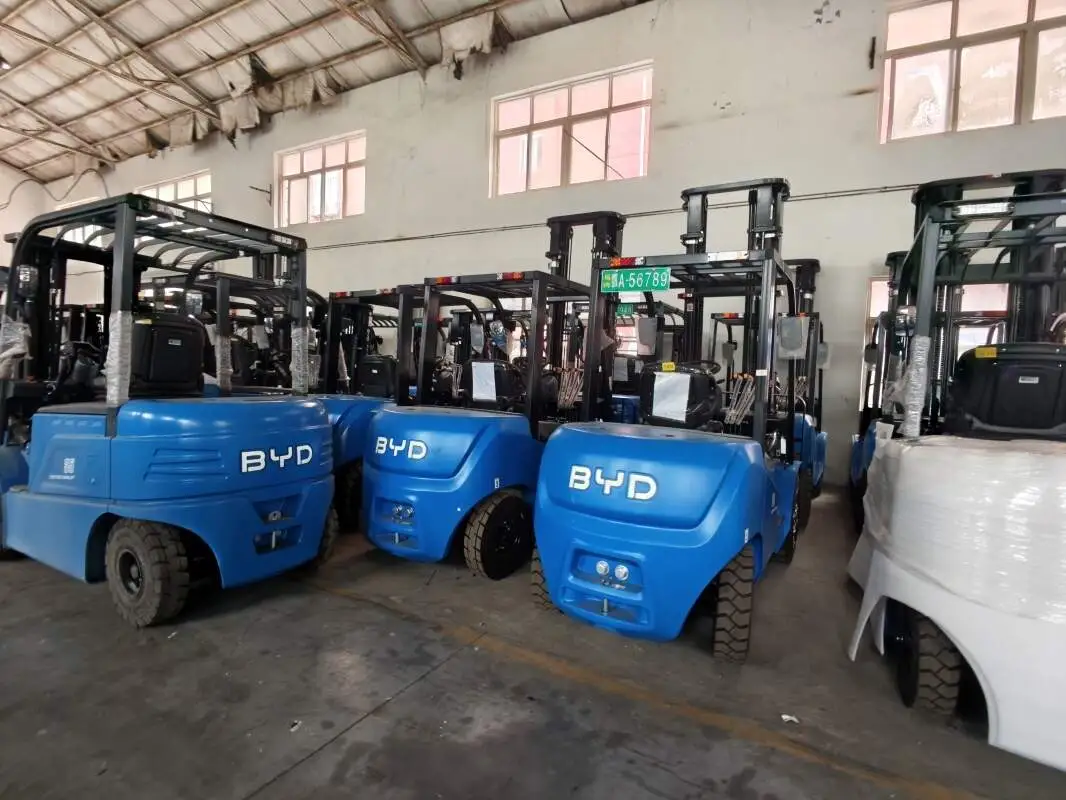
In today’s fast-paced warehouse environments, maintaining smooth, efficient workflows is critical to meeting customer demands and keeping operational costs in check. Traditional material handling equipment often struggles to keep up with evolving inventory volumes and tighter space constraints, leading to bottlenecks, delays, and reduced productivity. However, the advent of modern electric forklift equipment has introduced a range of solutions that address these challenges, driving meaningful improvements across core warehouse workflows.
One of the most significant improvements brought by modern electric forklifts is enhanced maneuverability and space utilization. Unlike their older counterparts, modern models feature compact designs, responsive steering systems, and tight turning radii, allowing operators to navigate narrow aisles and congested areas with ease. This capability eliminates the need for wide access paths, enabling warehouses to maximize storage density by utilizing vertical space and narrowing aisle widths. As a result, inventory storage capacity increases, and the time required to move goods from storage to shipping docks is reduced, streamlining the picking and packing processes.
Modern electric forklifts also integrate advanced automation and intelligent features that reduce manual effort and minimize human error. Many models come equipped with sensors and cameras that provide real-time visibility of surrounding obstacles, helping operators avoid collisions with racks, pallets, and other equipment. Some units offer semi-autonomous functionality, such as automated pallet retrieval and guided navigation, which can handle repetitive tasks with consistent precision. This not only speeds up material handling operations but also frees up warehouse staff to focus on more complex, value-added tasks, such as inventory management and quality control.
Another key benefit of modern electric forklift equipment is its energy efficiency and reduced operational costs. Electric models produce zero emissions, making them ideal for indoor warehouse environments where air quality is a concern. They also have lower maintenance requirements compared to gas-powered forklifts, as they have fewer moving parts and do not require oil changes or tune-ups. Advanced battery technology provides longer run times and faster charging, reducing downtime associated with battery swaps or recharging. Over time, these factors translate into lower fuel and maintenance costs, improving the overall cost-effectiveness of warehouse operations.
Safety is a top priority in any warehouse, and modern electric forklifts are designed with a range of safety features that protect both operators and other staff. Features such as automatic speed reduction in narrow aisles, seatbelt sensors, and emergency stop buttons help prevent accidents and reduce the risk of injuries. Additionally, the quiet operation of electric forklifts improves communication among warehouse workers, reducing the likelihood of miscommunication-related incidents. By creating a safer work environment, warehouses can reduce downtime due to accidents and improve employee morale, which further contributes to overall workflow efficiency.
In conclusion, modern electric forklift equipment has become a transformative tool for improving warehouse workflows. From enhanced maneuverability and space utilization to advanced automation and safety features, these machines address key pain points in material handling operations. By investing in modern electric forklifts, warehouses can boost productivity, reduce operational costs, and create a safer, more efficient work environment that meets the demands of today’s supply chain.