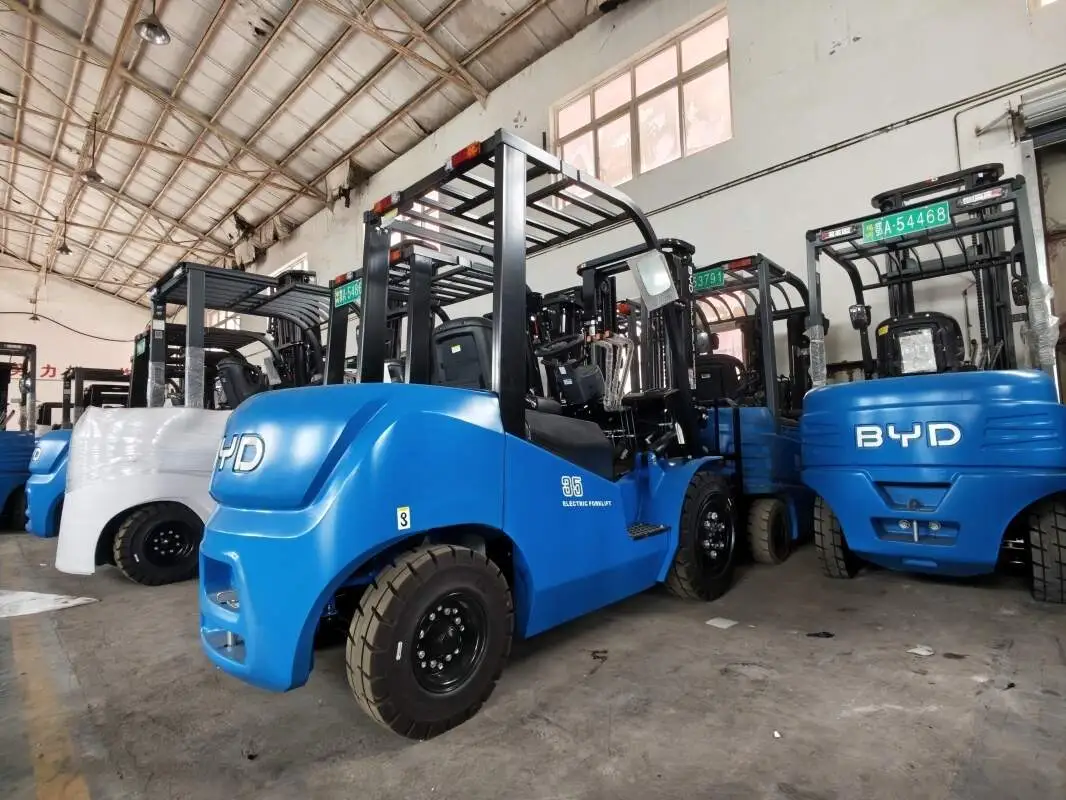
When operating forklifts in outdoor settings, protecting these valuable pieces of equipment from harsh environmental elements is critical to extending their lifespan and maintaining operational efficiency. Choosing the right durable outdoor storage container is a key step in this process, requiring careful consideration of several core factors.
First, material selection plays a foundational role in determining a container’s durability. Heavy-gauge steel containers are a popular choice for outdoor forklift storage due to their high strength and resistance to physical impact. They can withstand rough handling and potential vandalism, making them suitable for high-traffic industrial areas. For environments with high humidity or exposure to saltwater, polyethylene containers offer excellent corrosion resistance, as they do not rust or degrade when exposed to moisture. Both materials have distinct advantages, so it’s important to align the choice with the specific environmental conditions of the storage location.
Weather resistance is another non-negotiable feature. Outdoor containers must effectively shield forklifts from rain, snow, intense sunlight, and extreme temperatures. Look for containers with tight-sealing doors and reinforced seams to prevent water infiltration, which can cause electrical component damage and rust. UV-stabilized coatings are also essential, as they prevent the container’s surface from fading or becoming brittle under prolonged sun exposure. Some containers are designed with insulated walls to maintain a moderate internal temperature, protecting sensitive forklift parts from extreme cold or heat.
Size compatibility is equally important. The container should provide enough space to accommodate the forklift’s full dimensions, including its mast, forks, and any attached accessories. It should also leave sufficient room for easy entry and exit, allowing operators to maneuver the forklift in and out without difficulty. Measuring the forklift’s length, width, and height accurately before selecting a container ensures a proper fit, avoiding issues like restricted movement or damage to the equipment during storage.
Security features cannot be overlooked to prevent theft or unauthorized access. High-quality locks, such as heavy-duty padlocks or integrated locking systems, add an extra layer of protection. Some containers also feature reinforced hinges and anti-pry panels to deter forced entry. For sites with higher security risks, containers with compatibility for alarm systems or surveillance camera mounting can further enhance protection, giving operators peace of mind that their forklift is secure when not in use.
Finally, consider the ease of maintenance. Durable outdoor containers should be easy to clean and inspect, with smooth surfaces that do not accumulate dirt or debris. Containers with removable panels or accessible interiors simplify routine maintenance tasks, such as checking for signs of wear or addressing minor issues before they escalate. Choosing a container that requires minimal upkeep helps reduce long-term costs and ensures it remains functional for years to come.
By evaluating these factors—material durability, weather resistance, size compatibility, security, and maintenance ease—you can select an outdoor forklift storage container that effectively protects your equipment, supports operational reliability, and offers long-term value.