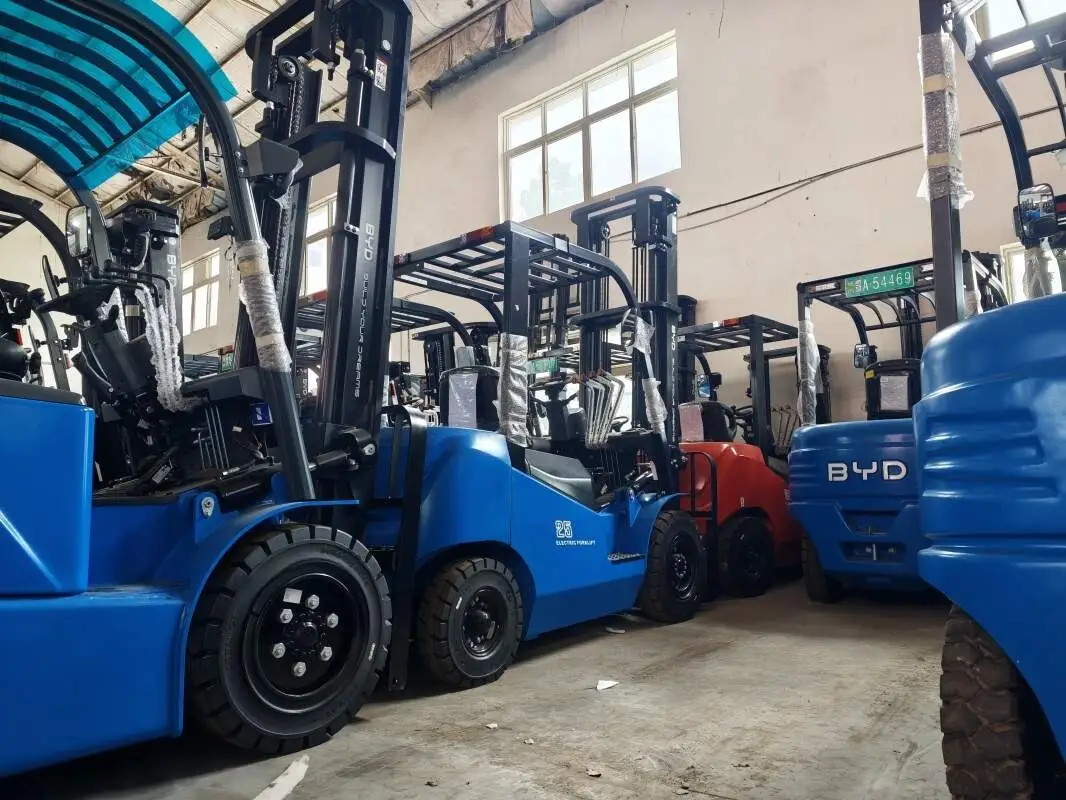
4 foot length industrial forklift forks are a staple in warehouses, manufacturing facilities, and logistics hubs, supporting daily material handling tasks with reliability and versatility. Choosing the right set is critical to ensuring operational safety, efficiency, and longevity of both the forks and the forklift itself. This guide breaks down essential considerations to help you make an informed decision.
Evaluate Load Requirements
Before selecting 4 foot forklift forks, start by assessing your typical load demands. Calculate the maximum weight of the goods you regularly handle, ensuring the forks’ rated capacity matches or exceeds this figure. Beyond weight, consider the nature of the loads—whether you’re transporting wooden pallets, metal crates, or irregularly shaped items. For loads that require extra stability, you may need forks with reinforced tips or optional fork sleeves to distribute weight evenly. Never exceed the forks’ rated capacity, as this can lead to structural failure or hazardous tipping incidents.
Inspect Material and Construction
The durability of 4 foot industrial forklift forks depends heavily on their material and build. Opt for forks made from high-strength steel, which offers excellent resistance to bending, cracking, and wear. Look for forks that have undergone heat treatment to enhance hardness, especially at the fork tips where most wear occurs. Inspect the fork body for any signs of prior damage, such as dents, cracks, or excessive corrosion, even when purchasing new units. A well-constructed fork will have a uniform thickness along its length and a smooth, finished surface to prevent snagging on loads.
Match Forklift Specifications
Compatibility with your forklift is non-negotiable. Measure the fork carriage’s mounting dimensions, including the distance between mounting holes and the carriage’s width, to ensure the 4 foot forks fit securely. Additionally, check the forklift’s overall lift capacity and mast height—forks that are too heavy or incorrectly sized can strain the forklift’s hydraulic system and compromise stability. Consult your forklift’s manual to confirm the recommended fork dimensions and weight limits, as mismatched forks can lead to unsafe operation and increased maintenance costs.
Consider Application Environment
Your operating environment plays a key role in fork selection. For outdoor applications exposed to rain, snow, or salt, choose forks with a corrosion-resistant coating to prevent rust and extend service life. If you work in high-temperature environments, such as foundries or recycling plants, select forks made from heat-resistant steel to maintain structural integrity. For food processing or pharmaceutical facilities, prioritize forks with smooth, easy-to-clean surfaces that meet hygiene standards to avoid contamination risks.
Prioritize Maintenance and Compliance
Even the best forks require regular maintenance to stay safe and functional. Establish a routine inspection schedule to check for wear, cracks, or bending. Replace forks that show signs of excessive damage, as repairing compromised forks can lead to unexpected failures. Ensure your selection complies with industry safety standards, which outline requirements for fork design, capacity labeling, and testing. Adhering to these standards not only protects your workforce but also helps avoid regulatory penalties.
By balancing load needs, material quality, forklift compatibility, environment, and maintenance, you can select 4 foot length industrial forklift forks that enhance operational efficiency, reduce downtime, and prioritize workplace safety for long-term, reliable performance.