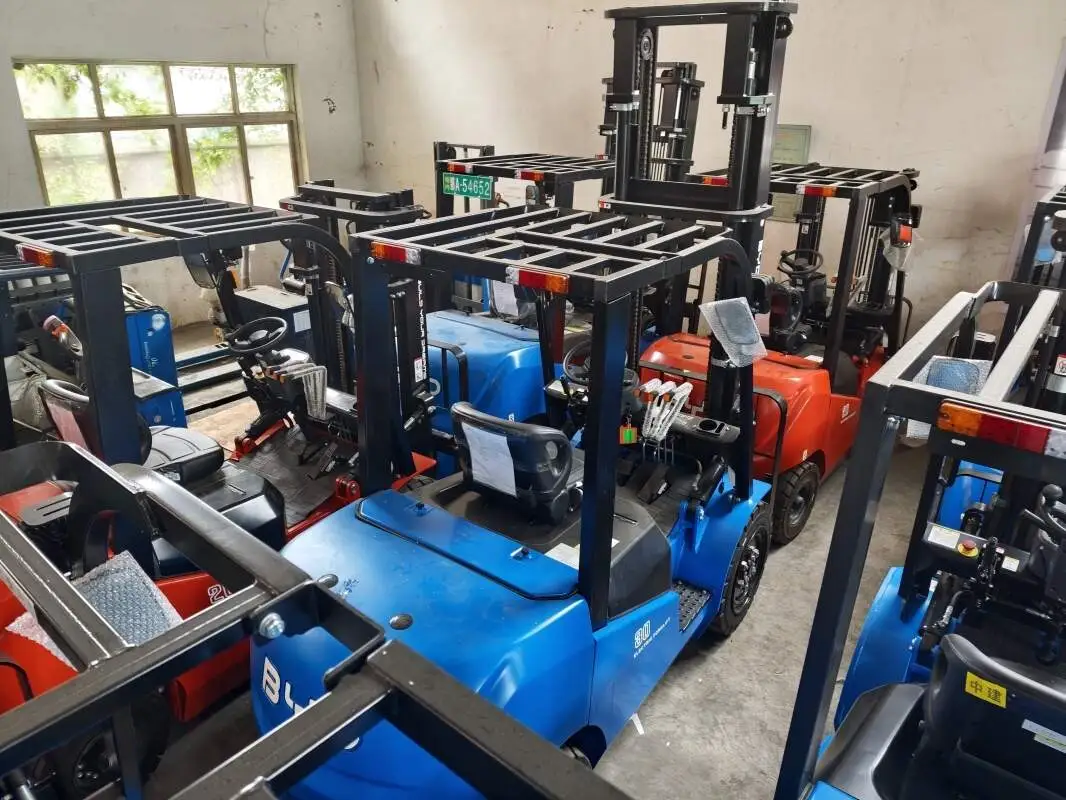
Self-dumping hopper attachments are essential tools for streamlining material handling operations in warehouses, construction sites, and manufacturing facilities. When paired with forklifts, these attachments simplify collecting, transporting, and disposing of bulk materials, reducing manual labor and improving operational efficiency. However, choosing the right self-dumping hopper requires careful consideration of several key factors to ensure it meets your specific needs.
First, assess load capacity by evaluating the typical volume and weight of materials you’ll handle. Hoppers range from small units for light debris to heavy-duty models for large quantities of construction waste or industrial materials. Always select a hopper that safely handles your maximum load without exceeding the forklift’s weight rating; overloading risks equipment damage, safety hazards, and reduced lifespan.
Next, consider material construction. Steel hoppers excel in heavy-duty use, resisting impact and wear from rough materials like rocks or scrap metal. Aluminum hoppers offer a lightweight, corrosion-resistant alternative for lighter loads or corrosive materials. Some hoppers also feature reinforced edges or liners to prevent damage from abrasive substances, extending their usability.
Verify forklift compatibility before purchasing. Not all hoppers fit every forklift model—check the attachment’s mounting system to ensure it matches your forklift’s carriage size and fork dimensions. Poorly fitted hoppers can shift during transport, creating safety risks and reducing handling precision. Some hoppers may require specific brackets or adapters for secure installation, so confirm compatibility upfront.
Evaluate dumping mechanisms based on your operational needs. Manual release hoppers are cost-effective for light-duty applications, while hydraulic systems offer effortless dumping for heavy loads, reducing operator fatigue. For high-volume operations, hydraulic mechanisms are ideal, while manual options work well for occasional use.
Finally, match the hopper to your application scenario. Compact hoppers with small footprints are more maneuverable in narrow indoor warehouse aisles. Outdoor construction sites may need hoppers with weather-resistant coatings to withstand rain, snow, and UV exposure. For hazardous materials, choose hoppers with sealed designs to prevent leaks and comply with safety regulations.
By carefully evaluating these factors, you can select a self-dumping hopper attachment that enhances your forklift’s functionality, improves efficiency, and ensures safe material handling. Taking the time to choose the right attachment leads to long-term cost savings by reducing downtime and minimizing workplace accident risks.