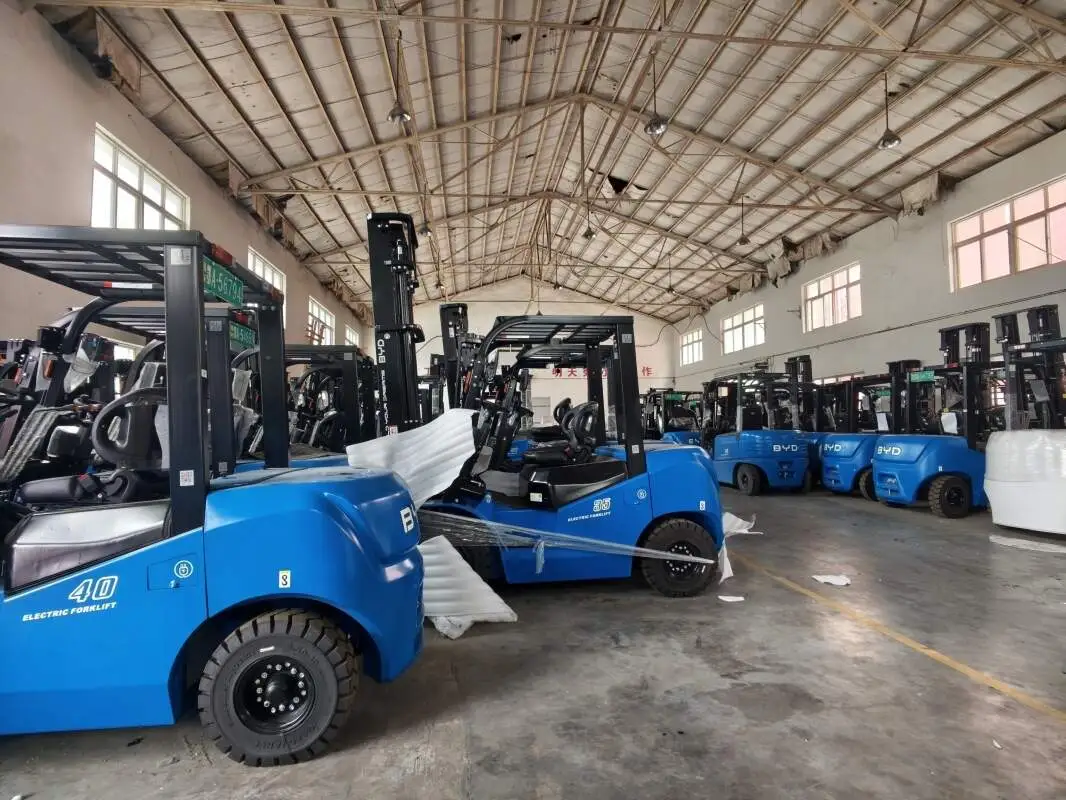
When forklifts are deployed for auxiliary elevated work, such as loading goods onto high shelves or performing equipment maintenance at height, the safety harness becomes a critical protective component for operators. Choosing the right harness not only ensures compliance with safety regulations but also reduces the risk of fall-related accidents. This guide outlines key considerations for selecting a suitable forklift harness for such tasks.
Compliance with Safety Standards
The first and foremost factor in selecting a forklift harness is adherence to regional and international safety standards. Operators and procurement teams should verify that the harness meets the requirements of relevant bodies, which specify minimum load-bearing capacities, buckle strength, and fall arrest performance. Ensuring compliance means the harness has undergone rigorous testing to withstand the forces of a fall, providing a reliable safety barrier for operators working at height.
Compatibility with Forklift Models and Work Scenarios
Not all forklift harnesses are universal, as different forklift models vary in structural design, especially in the placement of anchor points. A suitable harness must fit securely with the forklift’s dedicated attachment points to prevent slippage during operation. Additionally, consider the work environment: for outdoor sites with frequent exposure to moisture or dust, opt for harnesses with water-resistant and dust-repellent materials to maintain performance over time. For indoor warehouse settings, lightweight, flexible harnesses may be more appropriate to support extended wear during repetitive tasks.
Durability of Materials
The durability of the harness directly impacts its long-term safety and cost-effectiveness. Look for harnesses made from high-strength woven fabrics that resist abrasion and tearing, as these materials can withstand regular friction from forklift components and work surfaces. Metal hardware, such as buckles and D-rings, should be treated with anti-corrosion coatings to prevent rusting, which could weaken the harness’s structural integrity over time. Prioritize materials that retain their strength even after prolonged exposure to UV rays or temperature fluctuations.
Ergonomic Design and Comfort
Operators may wear harnesses for hours during a work shift, so ergonomic design is essential to minimize fatigue and ensure consistent use. Harnesses should feature padded shoulder straps and waist belts to distribute weight evenly, reducing pressure on sensitive areas. Adjustable straps allow operators to customize the fit according to their body type, ensuring the harness stays secure without restricting movement. Breathable fabric is also a valuable feature, particularly in warm work environments, as it helps wick away sweat and maintain comfort throughout the day.
Ease of Maintenance and Inspection
Regular inspection and maintenance are necessary to keep forklift harnesses in safe working condition. Choose harnesses with clear, visible wear indicators, such as color-coded threads that show when the fabric has reached its service life. Removable components, like padding and buckles, make cleaning and replacement easier, extending the harness’s usable lifespan. Additionally, opt for harnesses with simple, intuitive designs that allow operators to perform quick pre-use checks, ensuring the harness is free from damage before each elevated task.
By considering these key factors, businesses can select forklift harnesses that balance safety, functionality, and comfort, creating a safer working environment for operators involved in auxiliary elevated work tasks.