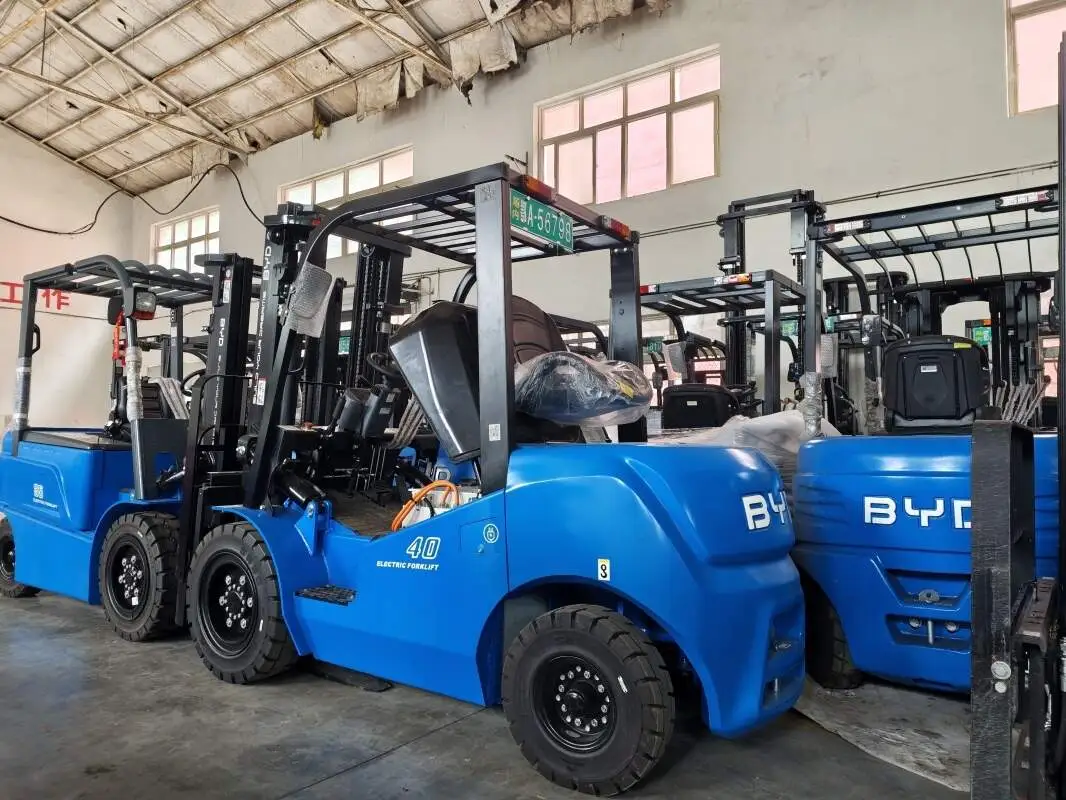
In distribution centers, forklift fleets are critical to daily operations, but their associated costs—including maintenance, energy, repairs, and downtime—can significantly impact overall operational budgets. Implementing targeted cost-control measures is essential to balancing productivity with financial efficiency.
A foundational step is establishing a comprehensive preventive maintenance program. Instead of waiting for equipment failures to occur, scheduled inspections and routine servicing help catch minor issues before they escalate into costly breakdowns. For electric forklifts, this includes regular checks of battery health, tire pressure, brake systems, and hydraulic components. Adhering to a consistent maintenance schedule reduces unplanned downtime, which not only saves on emergency repair costs but also avoids disruptions to order fulfillment timelines.
Optimizing operational workflows is another key strategy to cut costs. Analyzing forklift movement patterns can reveal inefficiencies such as unnecessary empty trips or overlapping routes. By mapping out optimal paths for picking, storing, and transporting goods, distribution centers can reduce energy consumption and increase the number of tasks completed per hour. Additionally, matching the right forklift type to specific tasks—using smaller, more energy-efficient models for light loads and narrow aisles, for example—ensures that equipment is used in the most cost-effective manner.
Investing in ongoing staff training also contributes to long-term cost control. Well-trained operators are less likely to cause accidental damage to forklifts, inventory, or facility infrastructure, which eliminates costly repairs and replacements. Training should cover safe operation techniques, basic maintenance tasks, and energy-saving practices, such as avoiding rapid acceleration and deceleration. Operators who understand how to care for equipment properly can extend its lifespan and reduce the need for frequent servicing.
For electric forklift fleets, effective energy management is a major cost-saving opportunity. Optimizing charging schedules to take advantage of off-peak electricity rates can lower energy bills significantly. Additionally, avoiding overcharging batteries and ensuring they are stored in appropriate temperature conditions can extend battery life, reducing the frequency of expensive battery replacements. Installing energy-efficient charging stations and monitoring energy usage metrics further helps identify areas for improvement.
Finally, regular cost analysis and performance tracking are vital to sustaining cost control efforts. By monitoring key metrics such as maintenance costs per forklift, energy consumption per task, and equipment uptime, distribution centers can identify trends and adjust strategies as needed. This data-driven approach allows managers to make informed decisions about fleet size, maintenance priorities, and operational adjustments to maximize cost efficiency over time.
Combining these practical measures creates a holistic approach to forklift fleet cost control, helping distribution centers enhance operational productivity while keeping expenses in check.