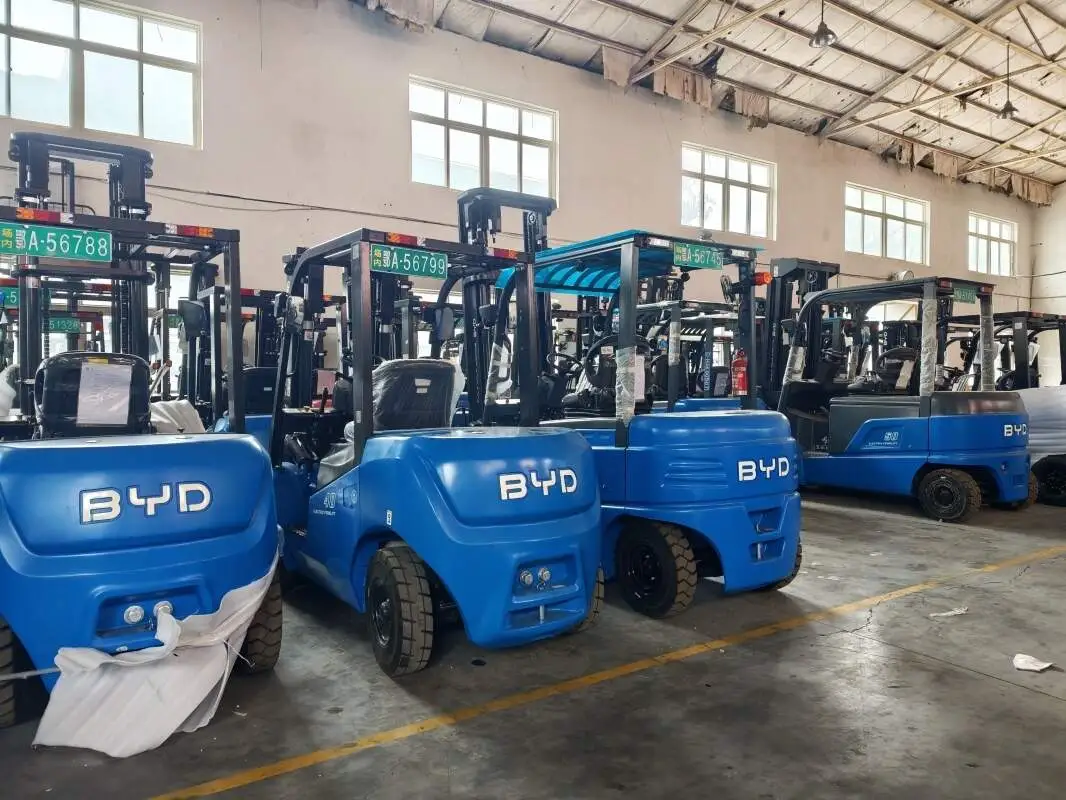
Navigating the market for 3-wheel forklifts in California requires a clear understanding of local operational needs and regulatory standards. These compact, agile units are increasingly popular in warehouses, distribution centers, and retail spaces across the state, thanks to their ability to maneuver tight corners and optimize space utilization.
Assess Your Operational Environment
Start by evaluating the space where the forklift will be used. California’s diverse industrial landscape includes narrow warehouse aisles, outdoor loading docks, and climate-controlled retail storage areas. 3-wheel forklifts excel in indoor settings with limited space, as their smaller turning radius allows for easy navigation between racks. If your operations involve occasional outdoor use, ensure the model you choose has suitable tires and weather-resistant components to handle California’s varied climate, from coastal humidity to inland heat.
Prioritize Performance Specifications
When comparing 3-wheel forklift units, focus on key performance metrics aligned with daily tasks. Load capacity is critical—determine the maximum weight you’ll need to lift regularly, as exceeding limits can lead to safety hazards and equipment damage. Additionally, consider the lift height required to reach upper storage racks. Electric 3-wheel forklifts, common in California due to emissions regulations, offer quiet operation and lower maintenance costs compared to gas-powered alternatives. Check battery life and charging time to match shift schedules; some models support fast charging to minimize downtime.
Comply with California’s Regulatory Requirements
California has strict environmental and safety regulations for forklift operations. For indoor use, most facilities opt for electric forklifts to meet zero-emission standards for enclosed spaces. Ensure any unit you purchase adheres to OSHA safety guidelines, including features like seat belts, overhead guards, and audible alarms. If using outdoors, verify gas-powered units meet California Air Resources Board (CARB) emissions limits, as non-compliant models may face operational restrictions.
Evaluate Support and Training Options
A reliable forklift depends on skilled operators and consistent support. Look for suppliers offering comprehensive training programs covering safety protocols and proper equipment handling. In California, certified operator training is often a regulatory requirement, so choosing a provider that includes this can save time and ensure compliance. Also, inquire about maintenance services and parts availability; local suppliers may offer faster response times for service calls, critical for busy industrial areas.
Consider Long-Term Cost Efficiency
While upfront cost matters, evaluate total ownership cost over the forklift’s lifespan. Electric models may have higher initial prices but lower fuel and maintenance costs compared to gas-powered options. Calculate potential savings on energy bills and repairs, especially given California’s focus on sustainable energy. Additionally, consider resale value—well-maintained 3-wheel forklifts can retain value over time, providing a return on investment if you upgrade later.
By addressing these factors, you can select a 3-wheel forklift that meets operational needs, complies with California’s rules, and delivers long-term value. Careful research and assessment will support safe, efficient operations across your facility, whether it’s a small warehouse or large distribution center.