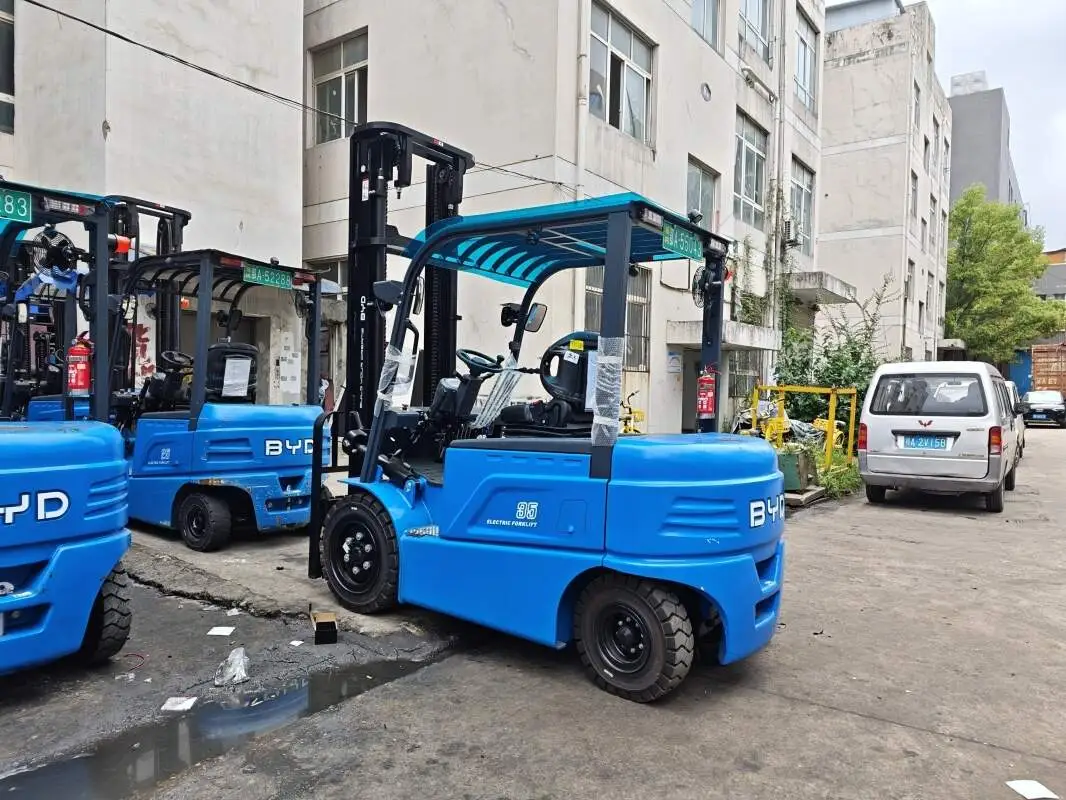
Before operating any forklift moving cradle or operator harness equipment, it is critical to prioritize pre-operation safety checks to mitigate potential risks. For the moving cradle, inspect all structural components for signs of cracks, bent parts, or loose fasteners. Verify that the cradle’s load rating matches the weight of the intended load to prevent overloading risks, and ensure its load-bearing surfaces are free from debris that could compromise stability. For the operator harness, carefully examine webbing for fraying, cuts, or UV damage, and verify that all buckles, adjusters, and attachment points function smoothly without jamming. Any equipment showing signs of damage must be removed from service immediately for repair or replacement.
When using the forklift moving cradle, follow a structured sequence to ensure secure load handling. Start by positioning the cradle on a flat, stable surface aligned with the forklift’s tines, adjusting the cradle’s width or height to match the dimensions of the load for a snug fit that prevents shifting during transport. Once the load is placed onto the cradle, use integrated straps or locking mechanisms to secure it firmly—never exceed the cradle’s specified weight capacity, as this can lead to structural failure or loss of control. During movement, operate the forklift at a slow, steady speed, maintaining clear visibility of the path ahead and avoiding sudden turns or stops that could dislodge the load. When placing the load and cradle at the destination, ensure the surface is level before lowering the cradle and releasing the load.
Proper wear of the operator harness is essential to protect against falls or ejection during forklift operation. Begin by adjusting the harness’s shoulder and leg straps to fit snugly against your body without restricting movement. Fasten all buckles securely, and tug gently on each strap to confirm they are locked in place. The harness’s attachment point should be connected to the forklift’s designated anchor point, ensuring the connection is tight and free from twists. Throughout operation, keep the harness fully fastened—never remove it while the forklift is in motion, even for short tasks. If you need to exit the forklift, park it on a level surface, engage the parking brake, and disconnect the harness only once you are safely on the ground.
During operation, adhere to best practices to maintain equipment integrity and personal safety. Avoid driving the forklift over uneven terrain or obstacles that could destabilize the cradle and load. Stay alert to surrounding personnel and obstacles, using horn signals to communicate your presence. Regularly check the cradle and harness during long shifts—if you notice any unexpected movement of the load or wear on the harness, stop immediately to inspect and address the issue before resuming operation.
After completing operations, perform post-use maintenance to extend equipment lifespan. Clean the moving cradle of dirt, grease, or debris using a non-corrosive cleaner, and inspect it again for any new damage that may have occurred during use. For the harness, wipe down webbing to remove contaminants, and store it in a cool, dry area away from direct sunlight to prevent UV degradation. Ensure both pieces of equipment are stored in a designated location where they are protected from impact or exposure to harsh weather conditions.
In the event of an emergency, such as a cradle structural failure or harness buckle malfunction, remain calm and follow established protocols. Immediately engage the forklift’s parking brake and turn off the engine if it is safe to do so. If the load is shifting, do not attempt to reposition it from the operator’s seat—exit the forklift safely and contact a qualified maintenance team to assess the situation. For harness-related issues, if you feel the strap slipping or buckle failing while in motion, slow the forklift gradually and stop in a secure area before addressing the problem to avoid accidents.