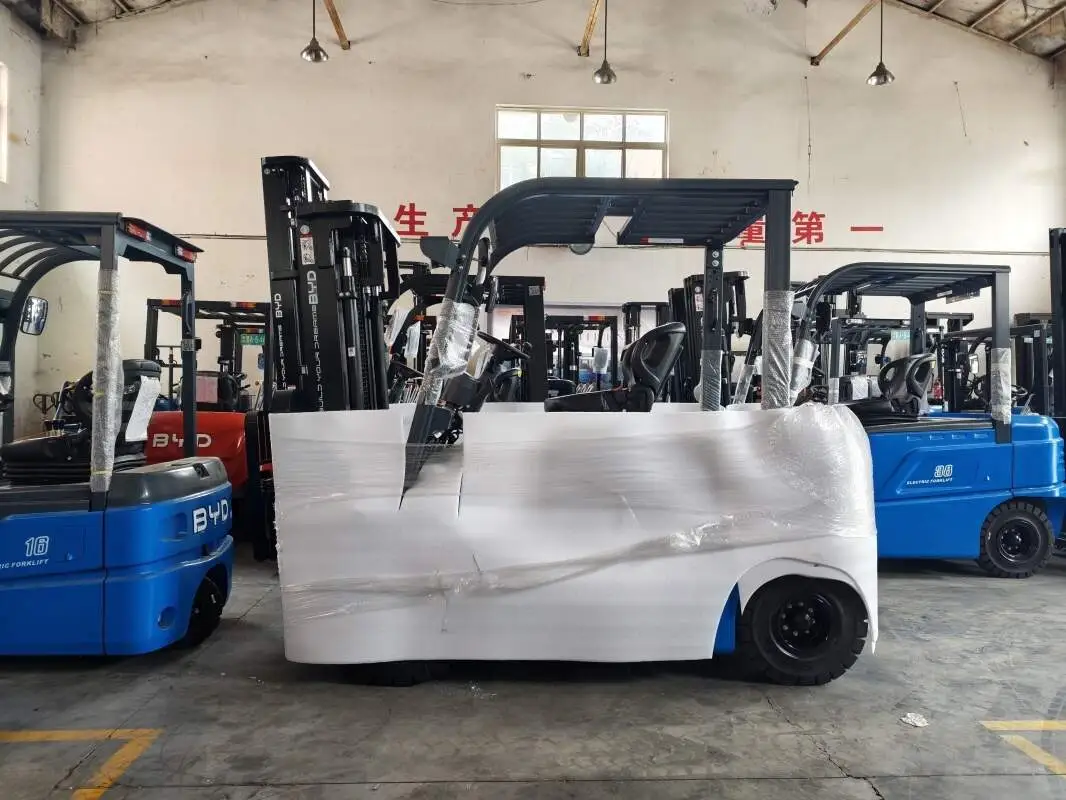
Long materials such as steel beams, wooden planks, and concrete pipes pose unique challenges in material handling due to their length and awkward dimensions. Traditional forklifts often struggle to maneuver these items without risking damage or safety hazards, which is where sideloader forklift trucks come into play. Designed specifically for long-material transport and storage, these specialized vehicles offer a range of functions tailored to streamline operations in industrial facilities, warehouses, and construction sites.
One of the core functions of a sideloader forklift is lateral loading and unloading. Unlike conventional forklifts that handle loads from the front, sideloaders can position their forks alongside the vehicle, allowing them to pick up or drop off long materials directly from the side. This eliminates the need for the forklift to turn sharply with extended loads, a maneuver that is not only space-consuming but also increases the risk of tipping or material damage. By loading from the side, sideloaders can efficiently access materials stored in tight racks or along narrow aisles, reducing the time and effort required for handling tasks.
Navigating narrow aisles is another key strength of sideloader forklifts. Many warehouses and storage facilities maximize space by installing narrow aisles, which can be inaccessible to standard forklifts when transporting long materials. Sideloaders are built with a compact footprint and enhanced maneuverability, enabling them to traverse narrow spaces while carrying extended loads without scraping walls or adjacent racks. This capability allows businesses to optimize their storage capacity, as they can utilize every inch of available space for storing long materials without compromising on operational efficiency.
Stable transport of long materials is a critical function that sets sideloaders apart. These forklifts feature a low center of gravity and a reinforced frame, which helps maintain stability even when carrying heavy or oversized loads. Additionally, some models come equipped with adjustable fork positions and load-restraining mechanisms, such as clamps or straps, to secure materials firmly during transport. This reduces the risk of shifting loads, which can lead to accidents or damage to the materials. Whether moving materials across a warehouse floor or loading them onto a truck, sideloaders ensure safe and reliable transport.
Sideloader forklifts also offer versatile compatibility with different types of long materials. Their adjustable fork widths and optional attachments allow them to handle everything from thin metal rods to thick concrete pipes. For example, specialized clamps can be fitted to handle fragile materials like glass panels, ensuring they remain intact throughout the handling process. This versatility makes sideloaders a valuable asset in industries such as construction, manufacturing, and lumber processing, where a variety of long materials are used on a daily basis.
In summary, sideloader forklift trucks are essential tools for efficient and safe long-material handling. Their lateral loading capability, narrow aisle navigation, stable transport features, and versatile compatibility address the unique challenges posed by long materials, helping businesses improve operational efficiency, reduce material damage, and enhance workplace safety.