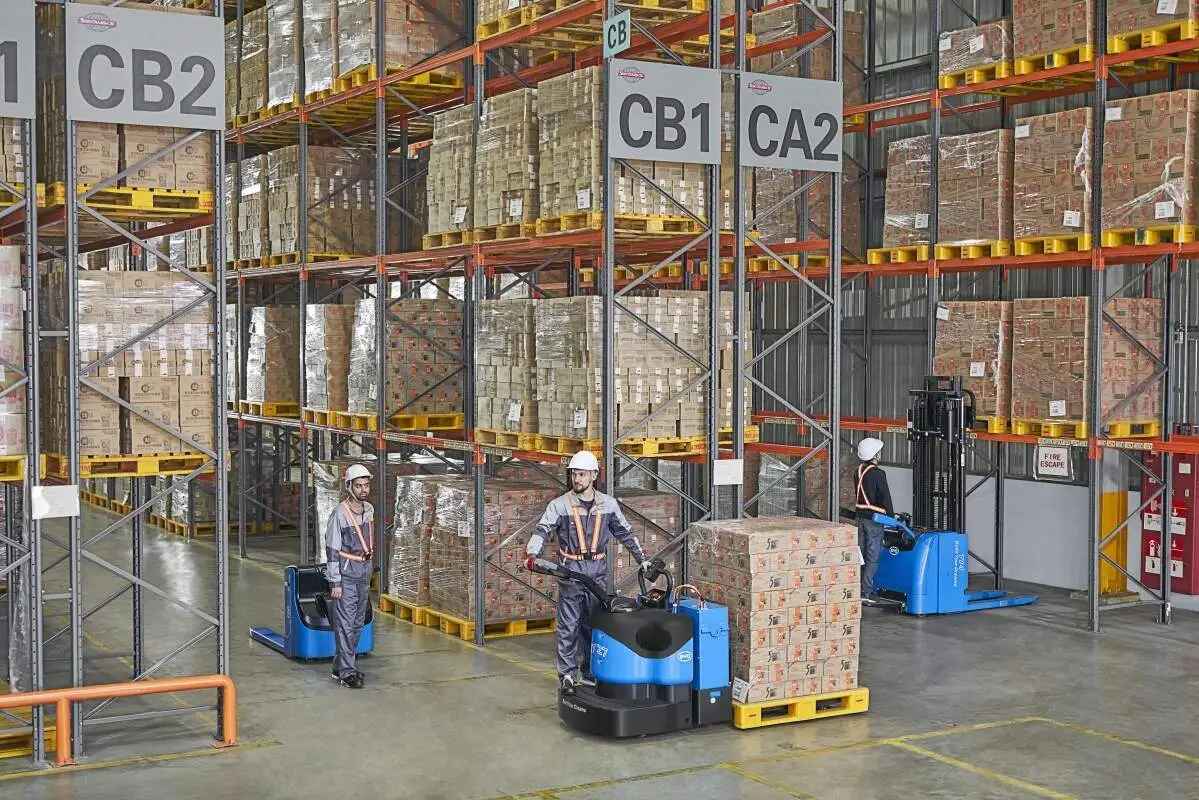
Warehouses and industrial facilities face persistent risks of forklift-related collisions, which can lead to employee injuries, property damage, and costly operational downtime. Forklift impact alarm systems act as a proactive safety measure to mitigate these hazards, but their effectiveness relies heavily on strategic site deployment. To maximize the value of these systems, facility managers must carefully evaluate several critical factors before installation.
First, a comprehensive site layout analysis is foundational. Identify high-traffic zones such as loading docks, intersection points, and narrow aisles where collision risks are elevated. In these areas, additional alarm sensors may be required to ensure full coverage. Blind spots caused by stacked inventory or heavy equipment also demand special attention—installing alarms at eye level on forklifts and fixed positions in blind corners can alert both operators and pedestrians to potential conflicts. It’s equally important to measure aisle widths and adjust sensor placement to avoid false triggers from nearby objects like pallet racks or storage bins.
Next, environmental adaptability is key to system reliability. Industrial settings often expose equipment to extreme temperatures, high humidity, dust, and debris. Select alarm systems engineered to withstand these conditions, ensuring sensors and alert mechanisms remain functional in harsh environments. For outdoor loading areas, opt for weather-resistant components to prevent water damage or signal interference. Evaluating the site’s environmental factors upfront helps avoid costly system failures and ensures consistent performance over time.
Integration with existing operations is another vital consideration. The alarm system should complement, not disrupt, daily forklift activities. Collaborate with operators to understand their workflows and identify optimal installation points that don’t obstruct visibility or maneuverability. Compatibility with existing fleet management systems can also enhance functionality, enabling real-time data tracking of alarm triggers and collision incidents. This integration helps facility managers spot recurring hazard zones and refine safety protocols accordingly.
Staff training and awareness are essential to ensure the system is used effectively. Train forklift operators to recognize different alarm signals, understand their meanings, and respond appropriately—such as slowing down or stopping immediately when an alert is triggered. Pedestrians should also be educated on how to react to alarms, including moving to designated safe zones and avoiding high-risk areas during peak operation hours. Regular refreshers and safety drills can reinforce these practices, ensuring all personnel are prepared to act swiftly when needed.
Finally, ongoing maintenance and testing are critical to sustain system performance. Establish a routine schedule for checks, including calibrating sensors, testing alert sounds and visual signals, and inspecting wiring for wear or damage. Regularly review incident data to identify patterns or system weaknesses, and make necessary adjustments to coverage or settings. Proactive maintenance prevents unexpected failures and ensures the alarm system continues to protect employees and assets effectively.
By addressing these site deployment considerations, facility managers can implement forklift impact alarm systems that deliver maximum safety benefits, reducing collision risks and fostering a more secure work environment for all personnel.