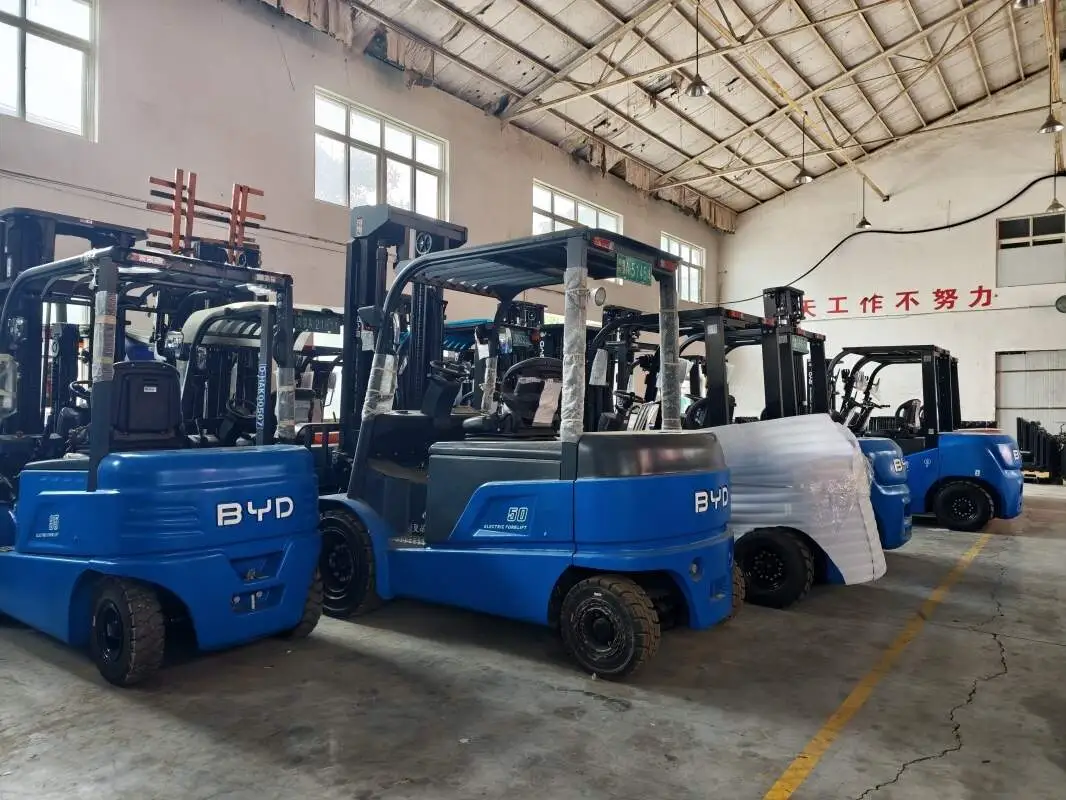
For industrial operations, understanding the regulatory classification of equipment is critical to maintaining compliance and workplace safety. A common point of confusion is whether forklifts fall under fixed plant rules, as misclassification can lead to penalties, safety risks, and operational disruptions. This article breaks down the regulatory background to clarify this key classification.
Fixed plant refers to equipment that is permanently or semi-permanently installed in a specific location, designed for continuous operation within that defined space. Regulatory frameworks typically distinguish fixed plant from mobile equipment based on core factors like mobility, installation requirements, and operational purpose.
When evaluating whether a forklift falls under fixed plant rules, three key criteria come into play. First is mobility: forklifts are engineered for movement across worksites, a primary trait that sets them apart from fixed plant. Most regulatory bodies categorize mobile equipment like forklifts under separate safety standards focused on operator training, load capacity, and on-site movement protocols. Second is installation requirements: fixed plant often demands permanent structural attachments, such as concrete foundations or utility connections, while forklifts require no such installations and can be relocated without major modifications. Third is operational scope: fixed plant serves specialized, continuous tasks within a limited area, whereas forklifts perform versatile material handling across multiple zones, aligning more closely with mobile industrial equipment categories.
Regional regulatory variances further shape this classification. In the United States, OSHA classifies forklifts as powered industrial trucks, subject to dedicated standards separate from fixed plant regulations that fall under general industry or construction guidelines for stationary equipment. In the European Union, the Machinery Directive differentiates between mobile machinery (including forklifts) and fixed plant, with tailored safety requirements for each. Mobile machinery must meet standards for stability, operator visibility, and mobility controls, while fixed plant focuses on structural integrity and permanent installation safety.
Misclassifying a forklift carries significant compliance implications. Treating a forklift as fixed plant may lead to neglecting mandatory operator training required for powered industrial trucks, increasing safety hazards. Conversely, categorizing fixed plant as mobile equipment could overlook critical installation and maintenance checks. To ensure compliance, businesses should review local regulatory guidelines, consult with regulatory experts, and document equipment classification based on operational use and technical specifications.
In conclusion, while fixed plant regulations govern stationary, permanently installed equipment, forklifts are generally classified as mobile industrial trucks under separate regulatory frameworks. Understanding these distinctions is essential for maintaining workplace safety, avoiding penalties, and ensuring seamless operations. Regular reviews of regulatory updates and consultation with industry experts can help businesses stay aligned with evolving compliance requirements.