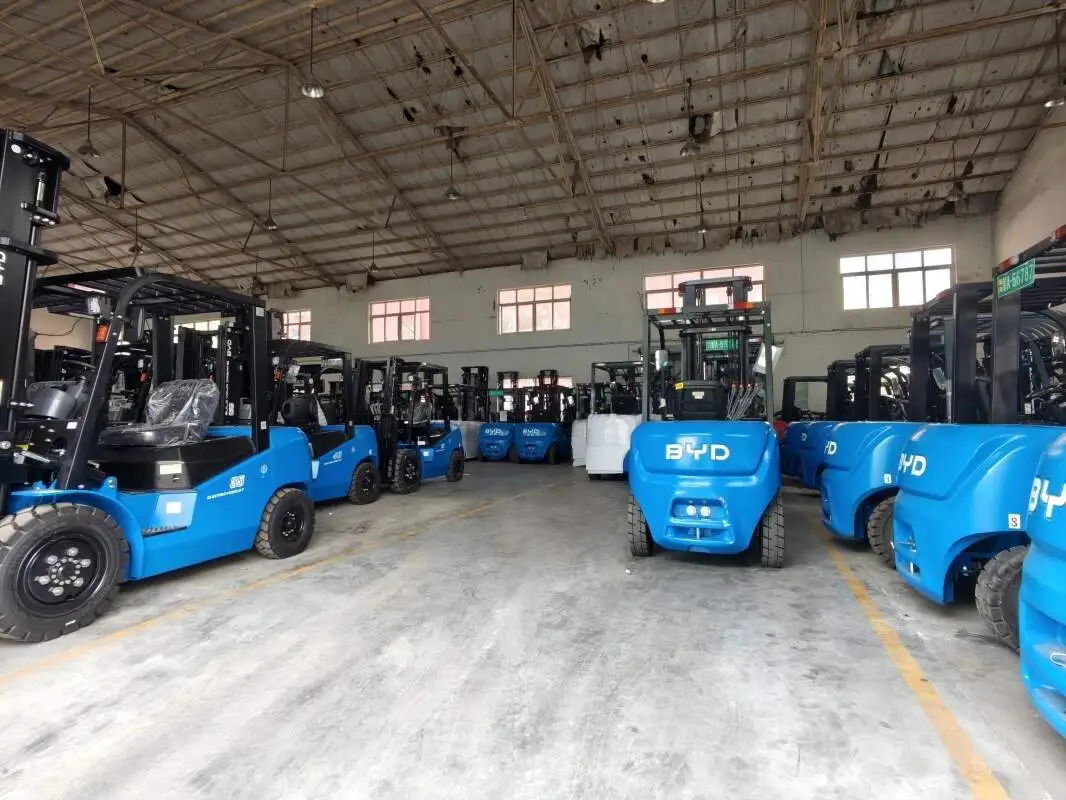
Bulk bag lifter forklift attachments play a critical role in streamlining bulk material handling operations across industries like agriculture, construction, and manufacturing. Proper installation and adherence to load limits are essential to prevent equipment damage, ensure worker safety, and maintain operational efficiency. This guide outlines clear, compliant procedures for installing these attachments and following load limit guidelines to support safe, reliable daily operations.
Installation Procedures
1. Pre-Installation Preparation: Before starting, ensure the forklift is parked on a flat, stable surface with the engine turned off and the parking brake engaged. Inspect the attachment for any visible damage, such as bent components or worn fasteners, which could compromise its integrity. Gather all necessary tools, including wrenches and safety locks, as specified in the attachment’s documentation.
2. Fork Engagement: Align the attachment’s fork pockets with the forklift’s tines. Slowly drive the forklift forward until the tines are fully inserted into the pockets, ensuring the attachment sits evenly across both tines. Avoid forcing the tines, as this can cause misalignment or damage to the attachment.
3. Secure the Attachment: Once the tines are in place, use the provided locking mechanisms to secure the attachment to the forklift. Tighten all fasteners according to the specified torque values to prevent the attachment from shifting during operation. Double-check that all locks are engaged and the attachment is stable before proceeding.
4. Post-Installation Inspection: Conduct a final visual inspection to confirm the attachment is properly aligned and secured. Test the lifting mechanism by lifting a light, known load to ensure smooth operation. If any issues are detected, disengage the attachment and address the problem before using it for full-capacity tasks.
Load Limit Best Practices
- Follow Manufacturer Specifications: The load limit for your bulk bag lifter attachment is determined by its design and construction, which is clearly stated in the manufacturer’s documentation. Never exceed this limit, even for short periods, as it can lead to structural failure or forklift instability.
- Account for Bulk Bag Weight: When calculating the total load, include the weight of the bulk bag itself in addition to the material inside. Empty bags can vary in weight depending on their size and material, so always factor this into your load calculations.
- Consider Dynamic Load Factors: During operation, dynamic forces such as sudden stops, turns, or uneven terrain can increase the effective load on the attachment. Reduce the load by 10-15% when operating in challenging conditions to account for these factors and maintain stability.
- Regularly Inspect Load-Bearing Components: Over time, wear and tear can reduce the attachment’s load-bearing capacity. Conduct monthly inspections of components like hooks, chains, and structural frames to check for signs of wear, corrosion, or damage. Replace any worn parts immediately to avoid exceeding safe load limits.
Key Safety Precautions
- Operator Training: Only trained, certified forklift operators should use bulk bag lifter attachments. Ensure operators are familiar with the attachment’s installation process, load limits, and safety procedures before allowing them to operate the equipment.
- Maintenance Schedule: Establish a regular maintenance schedule for both the forklift and the attachment. This includes lubricating moving parts, checking fasteners, and replacing worn components. Well-maintained equipment is less likely to fail during operation, reducing the risk of accidents.
- Operational Awareness: When lifting bulk bags, keep a clear view of the surrounding area and avoid overcrowding the workspace. Ensure there is sufficient overhead clearance to prevent the bag from hitting ceilings or other structures. Never leave a loaded attachment unattended while the forklift is running.
By following these installation and load limit guidelines, you can ensure the safe and efficient use of bulk bag lifter forklift attachments. Prioritizing proper installation, adherence to load limits, and regular maintenance will not only protect your equipment but also safeguard your workers and maintain consistent operational performance.