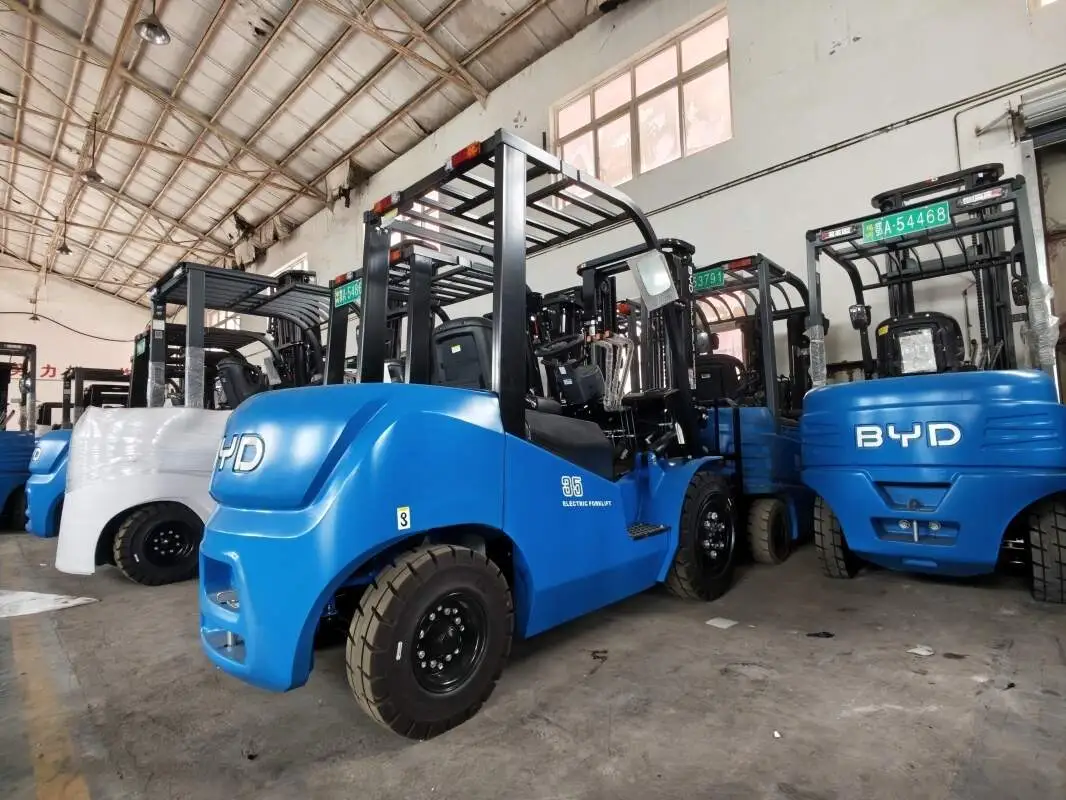
Attending forklift auctions is a cost-effective way to buy used material handling equipment, but it carries inherent risks. Unlike dealer purchases, auction forklifts often lack detailed maintenance records, making pre-purchase inspections critical to avoiding costly repairs and ensuring safety. Below are key inspection items to prioritize before bidding.
First, check mechanical components. Examine the engine for leaks, odd noises, or excessive smoke during idle and acceleration. Verify transmission fluid level and condition—discolored, burnt-smelling fluid signals internal wear. Test brake responsiveness, inspect pad thickness, and check for brake line leaks. Assess tires and wheels: tread depth, sidewall damage, and alignment to prevent instability.
Next, inspect the hydraulic system, vital for lifting and load handling. Check hoses and connections for cracks, bulges, or leaks. Operate the lift mast fully up and down repeatedly to ensure smooth movement with no delays or jerks. Listen for unusual sounds under load, which may indicate a failing pump or valve. Confirm hydraulic fluid level and quality; contaminated fluid causes system failure.
Then, evaluate the electrical system. For battery units, inspect terminals for corrosion, check fluid levels (if applicable), and test charge capacity. Examine wiring for fraying, loose connections, or exposed wires that could short-circuit. Test all lights, horn, and safety features like backup alarms. For electric forklifts, focus extra on the battery pack and charging system.
Additionally, do structural and visual checks. Inspect the frame for cracks, bent sections, or improper repairs that weaken strength. Check the mast for bent rails or damaged chains affecting lifting. Look for rust or corrosion in moisture-exposed areas, as this degrades components over time. Ensure seat, seatbelt, and controls are functional and meet safety standards.
Finally, perform an operational test. Drive the forklift short distances to assess steering, acceleration, and braking. Test lifting/lowering a load (if available) to evaluate hydraulic performance under pressure. Listen for unusual noises or vibrations, which may hide issues. Assess handling on turns and uneven surfaces to confirm stability.
By completing these pre-purchase inspection steps at forklift auctions, you can make informed bids, reduce repair risks, and ensure the unit meets your operational and safety needs. Thorough inspection before bidding saves time and money long-term.