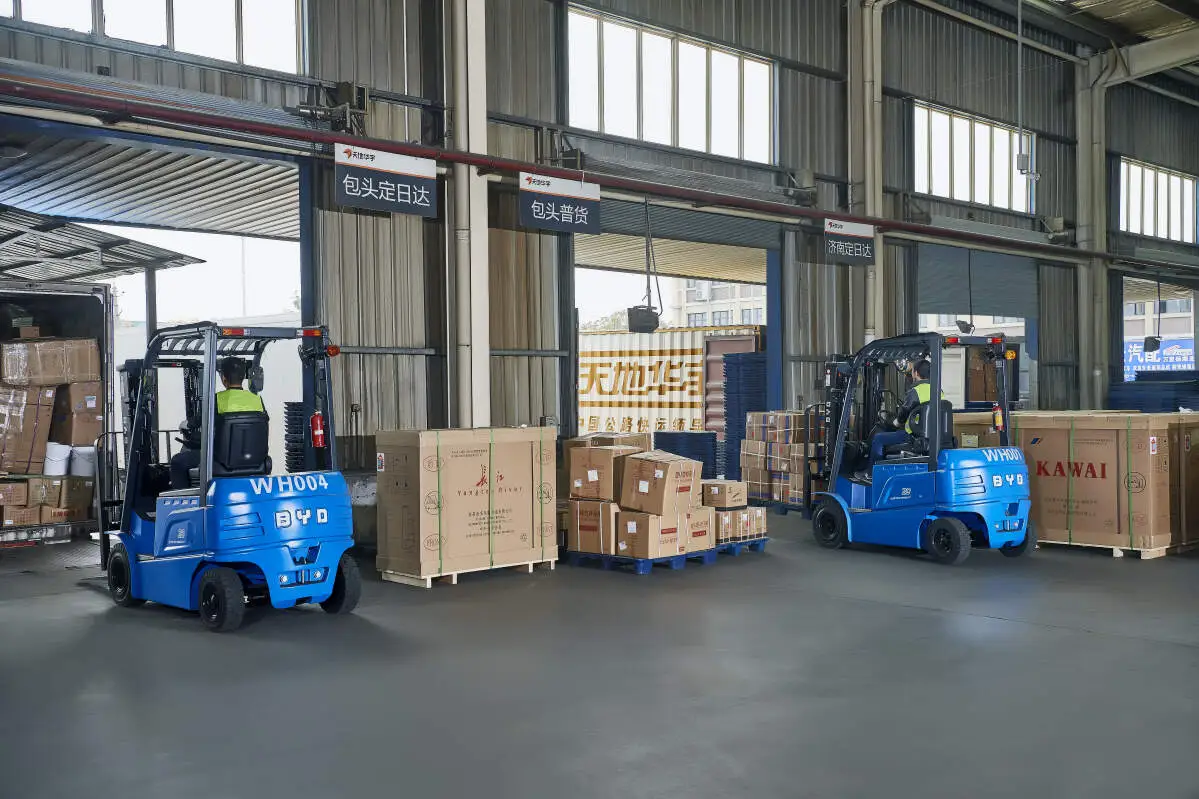
Choosing the correct forklift blade size is critical for safe, efficient material handling and protecting both your equipment and cargo. Using ill-fitted blades can lead to load instability, equipment damage, or workplace accidents, so matching blade dimensions to your specific load conditions is essential.
Light Load Conditions
For light loads typically weighing under 1,000 pounds—such as small packages, lightweight boxes, or low-density bulk items—opt for shorter, narrower forklift blades. These blades offer enhanced maneuverability, making them ideal for navigating narrow warehouse aisles or tight storage spaces. While light loads may seem low-risk, ensure the blade length covers at least two-thirds of the cargo’s base to maintain stability. Narrow blades also reduce unnecessary weight on the forklift, improving energy efficiency for electric models and reducing wear on the lifting mechanism.
Medium Load Conditions
Medium loads, ranging from 1,000 to 5,000 pounds, are the most common in general warehouse operations, including standard palletized goods and stacked boxes. For these scenarios, choose medium-length and width blades that balance flexibility and load-bearing capacity. The blade width should align with the fork holes of standard pallets to prevent pallet deformation during lifting and transport. Medium blades are versatile enough for stacking operations, cross-docking, and indoor/outdoor use, making them a go-to choice for most daily material handling tasks. Be sure to check the forklift’s rated capacity to ensure the blades can safely support the load without exceeding operational limits.
Heavy Load Conditions
When handling heavy loads over 5,000 pounds—such as industrial machinery, dense bulk materials, or large palletized shipments—prioritize longer, wider, or reinforced blades. Longer blades distribute the weight of heavy cargo more evenly, reducing the risk of load tilt or slippage. Reinforced blades made from high-strength materials offer added durability, resisting bending or wear under constant heavy stress. For oversized or irregularly shaped heavy loads, ensure the blade length covers at least three-quarters of the cargo’s base to maintain stability. Additionally, verify that the forklift’s mast and lifting mechanism are compatible with heavy-duty blades to avoid strain on the equipment.
Beyond load weight, consider other key factors when selecting blade sizes. Cargo dimensions play a role: long, narrow items require longer blades to prevent sagging, while wide, bulky loads need wider blades for balanced support. Operating environment is another consideration—outdoor surfaces with uneven terrain may require sturdier blades to withstand impact, while indoor climate-controlled spaces can prioritize maneuverability.
Regular inspections are also vital, even with correctly sized blades. Check for signs of wear, bending, or corrosion, as damaged blades can compromise safety regardless of size. By matching forklift blade sizes to your load conditions and maintaining equipment properly, you can enhance operational efficiency, reduce maintenance costs, and create a safer workplace for all team members.