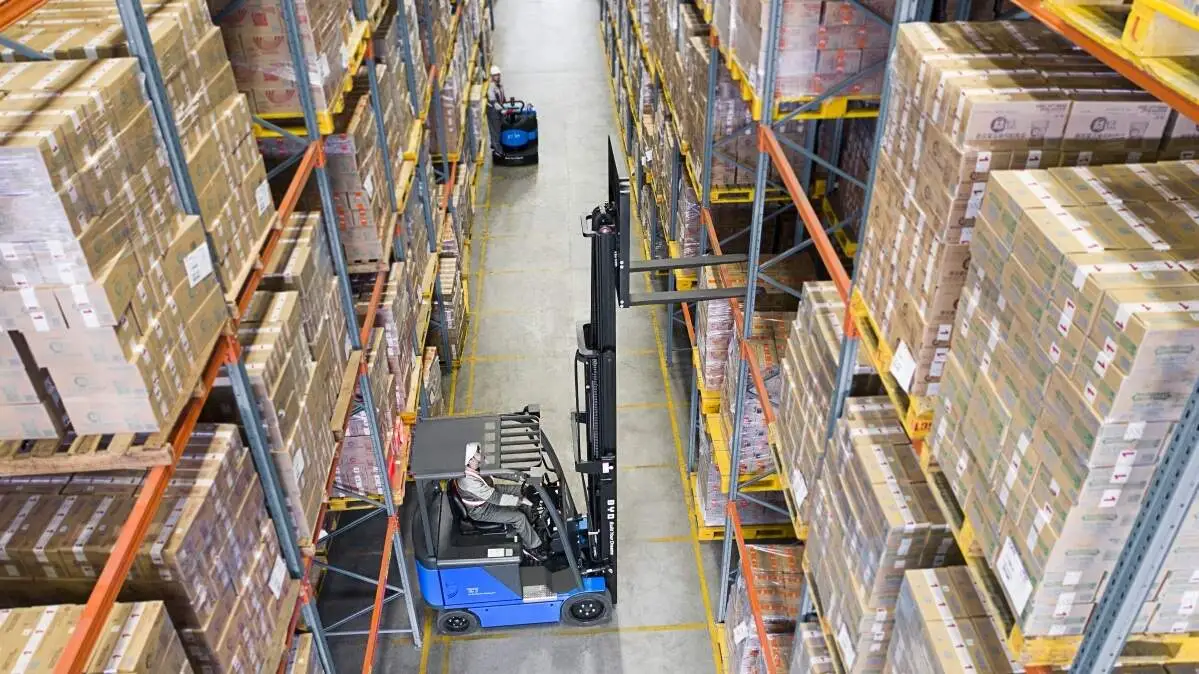
Long forklift blades are critical components for handling oversized, bulky or heavy loads in industrial warehouses, construction sites and logistics hubs. Choosing the right specifications across multiple sizes ensures safe, efficient operations while extending equipment lifespan. This guidance breaks down key specification factors to help operators and procurement teams make informed decisions.
Dimensional matching and load capacity are foundational considerations for long forklift blades. The length of the blades directly impacts their load-handling capabilities: longer models distribute weight more evenly across large loads, but their load capacity varies by size. For example, blades ranging from 6 to 8 feet suit standard palletized loads, while 10 to 12-foot blades cater to oversized materials like steel beams or large containers. It’s essential to cross-reference blade length with the forklift’s rated load capacity—exceeding recommended limits can lead to structural damage or tipping incidents. Even minor variations in blade length can affect load stability, so always consult the equipment’s operational manual for size-specific load ratings.
Material and structural specifications determine the durability and performance of long forklift blades. High-tensile steel is a common choice, offering an excellent strength-to-weight ratio, while hardened steel provides enhanced wear resistance for abrasive loads. The cross-section thickness of the blade also matters: thicker blades deliver greater rigidity for heavy-duty applications, while thinner options are lighter for faster maneuverability with lighter loads. Smooth, uniform surfaces prevent damage to load pallets or materials, and a seamless mounting mechanism that aligns with the forklift’s carriage avoids misalignment during operation.
Selecting the right long blade size depends on operational needs. In narrow warehouse aisles, shorter long blades (6-8 feet) balance maneuverability and the ability to handle oversized pallets. For outdoor construction or lumber yards, longer blades (10-12 feet) are ideal for lifting unwieldy materials like timber or pipe. Operators must also consider load center distance—the horizontal distance from the blade’s face to the load’s center of gravity. Longer blades require adjusting this distance to maintain balance, so proper training on size-specific load center calculations is essential.
Regular maintenance and compliance ensure long forklift blades meet specification standards over time. Inspect blades for bending, cracking or excessive wear, as these issues compromise load capacity and safety. Replace blades that no longer meet dimensional or material requirements to avoid operational risks. Adhere to local occupational safety regulations, which often outline specific blade specifications based on load type and operating environment. Operator training on size-specific blade handling is a key component of compliance and safe, efficient operations.
By understanding these specification factors for long forklift blades of multiple sizes, you can optimize load-handling efficiency, reduce equipment downtime and foster a safe working environment. Evaluating dimensional, material and application-specific requirements will help you select the right blades for your operational needs, supporting smooth and productive daily operations.