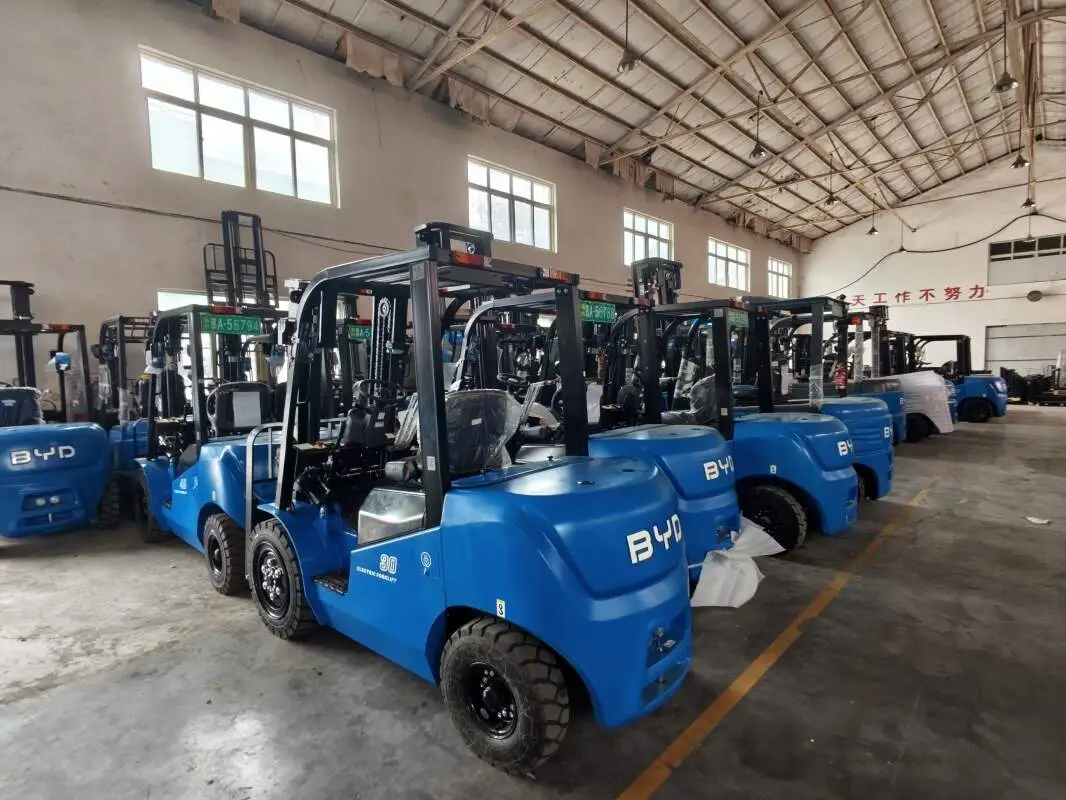
forklift operations are integral to many industrial and warehouse settings, but they also present inherent safety risks if not managed properly. A structured risk assessment framework provides a systematic approach to identify, evaluate, and mitigate these hazards, ensuring consistent safety across regular site operations.
The first phase of the framework is pre-assessment preparation. This involves conducting a thorough review of the site layout, including narrow aisles, loading docks, and pedestrian zones, to map potential interaction points between forklifts and other workers or equipment. Operators’ training records and daily task schedules are also examined to understand operational patterns and identify any gaps in competency. Additionally, historical incident reports are analyzed to pinpoint recurring issues that require targeted attention.
Next comes hazard identification, a critical step that combines multiple data-gathering methods. On-site observations allow assessors to spot real-time risks such as improper load securing, blocked visibility, or unsafe speed practices. Employee interviews provide valuable insights into day-to-day challenges, like unclear traffic signals or inadequate rest breaks that could lead to operator fatigue. Checklists tailored to forklift operations help ensure no potential hazard is overlooked, from mechanical malfunctions to environmental factors like wet floors or poor lighting.
Once hazards are identified, risk rating and prioritization take center stage. Using a matrix that measures the likelihood of an incident against its potential severity, risks are categorized as high, medium, or low. High-priority risks, such as unmarked pedestrian crossings in high-traffic areas, require immediate intervention. Medium risks, like occasional operator distraction from radio communications, call for scheduled corrective actions. Low risks, such as minor wear on forklift tires, are monitored for changes over time.
Mitigation and control measures are then developed based on risk priorities. For high-risk scenarios, engineering controls like installing physical barriers between pedestrian and forklift zones or upgrading load-sensing technology can reduce exposure. Administrative controls, such as updating traffic protocols and conducting weekly safety briefings, address medium risks. Personal protective equipment (PPE) requirements and routine maintenance schedules serve as ongoing control measures for low-risk areas. Each measure is assigned clear responsibilities and timelines to ensure accountability.
The final component of the framework is continuous review and improvement. Regular audits, conducted monthly or quarterly, evaluate the effectiveness of implemented controls and identify new hazards that may arise from operational changes, such as new inventory storage systems or updated forklift models. Feedback from operators and site managers is integrated into the framework to refine processes, ensuring it remains adaptive to evolving site needs. Ongoing training programs also reinforce safe practices, keeping operators updated on the latest risk assessment protocols and control measures.
By implementing this structured risk assessment framework, organizations can proactively address forklift operational risks, reduce incident rates, and foster a culture of safety that protects both workers and assets.