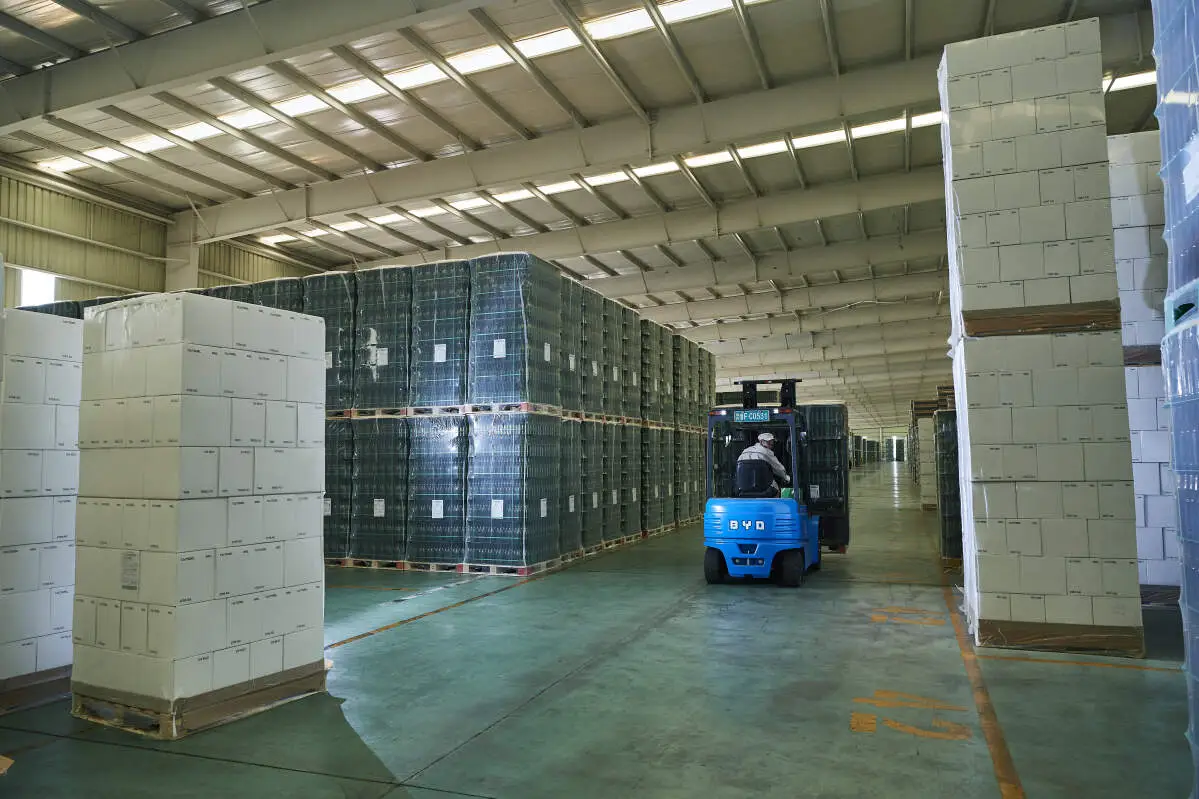
forklift extensions are essential attachments designed to extend the reach of a forklift’s forks, enabling the safe handling of long or oversized loads in warehouses, construction sites, and industrial facilities. However, improper use of these extensions can lead to severe safety hazards, including tip-overs, load damage, and operator injuries. Adhering to strict operational rules and understanding capacity limitations is therefore critical for maintaining workplace safety and operational efficiency.
Before operating a forklift with extensions, operators must complete specialized training to familiarize themselves with the attachment’s functionality and associated risks. A pre-operation inspection is mandatory: check that the extensions are free from cracks, bent components, or excessive wear, and ensure they are securely mounted to the forklift’s forks using appropriate locking mechanisms. Never use extensions that show signs of damage, as this compromises structural integrity and load stability.
During operation, several key rules must be followed. Always drive at reduced speeds when using extensions, as the increased load length alters the forklift’s center of gravity, reducing stability. Avoid sharp turns, sudden stops, or rapid acceleration, as these movements can shift the load and cause the forklift to tip over. Maintain a clear line of sight; if the load obstructs visibility, use a spotter or operate in reverse with caution. When lifting loads, ensure the extensions are fully inserted under the load and that the load is evenly distributed across the entire length of the extensions to prevent imbalance.
Capacity limitations are a non-negotiable aspect of using forklift extensions. The forklift’s original load capacity decreases as the extension length increases, as the extended reach shifts the load’s center of gravity further away from the forklift’s mast. Operators must refer to manufacturer specifications to determine the maximum safe load for each extension length. For example, extending forks by 2 feet may reduce the forklift’s capacity by up to 50%, depending on the model and load type. Overloading is one of the most common causes of forklift accidents, so always calculate the load weight accurately and ensure it falls within the adjusted capacity limits.
Environmental factors also impact capacity and safe operation. In uneven or slippery terrain, reduce the load capacity further and drive with extra caution. Avoid operating forklifts with extensions in narrow aisles unless the space is sufficient to accommodate the extended load and forklift maneuverability. Regular maintenance of extensions is important too; schedule periodic inspections to check for loose bolts, wear on mounting points, and structural damage, replacing components as needed to maintain safety standards.
By following these operational rules and respecting capacity limitations, operators can minimize risks and ensure forklift extensions are used effectively. Prioritizing safety training, pre-operation checks, and adherence to guidelines will not only protect personnel and equipment but also enhance overall operational productivity in industrial material handling scenarios.