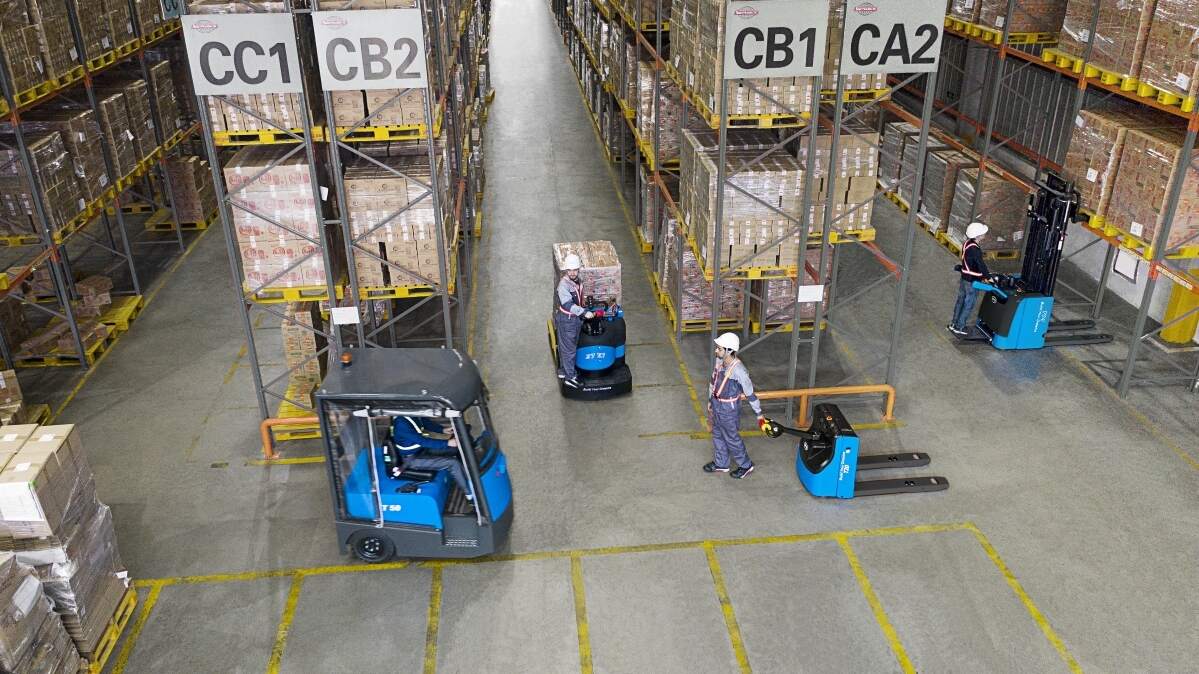
Electric sideloader forklifts have become essential equipment in industrial warehousing and logistics operations, offering efficient material handling solutions for narrow spaces and long loads. However, their pricing is not static; it is shaped by a range of interrelated market factors that evolve over time. Understanding these factors is crucial for both buyers and industry stakeholders to make informed decisions.
First, raw material costs play a foundational role in determining electric sideloader forklift pricing. Key components like lithium-ion batteries rely on raw materials such as lithium, cobalt, and nickel, whose market prices are subject to volatility driven by global supply chain tensions, mining regulations, and demand from other sectors like electric vehicles. Additionally, steel and aluminum used in the forklift’s frame and structural components contribute significantly to production costs. When raw material prices surge, manufacturers often pass these increased costs onto consumers, leading to higher forklift prices. Conversely, stable or declining raw material markets can result in more competitive pricing.
Second, technological specifications and features directly impact pricing. Electric sideloader forklifts vary in terms of battery capacity, load-bearing capacity, range, and integrated smart technologies. Models with larger batteries that offer extended operational hours or higher load limits require more advanced components, increasing production costs. Smart features like automated navigation, real-time performance monitoring, and energy management systems also add to the overall price, as they involve ongoing research and development investment. Buyers seeking specialized functionality for specific operational needs can expect to pay a premium compared to basic models.
Third, supply and demand dynamics in the industrial equipment market influence pricing trends. During periods of rapid growth in sectors like e-commerce, manufacturing, and construction, the demand for electric sideloader forklifts tends to rise. If manufacturers struggle to meet this increased demand due to production constraints or component shortages, prices may climb. On the other hand, when market demand slows down or when there is an oversupply of forklifts, competition among manufacturers intensifies, leading to price reductions and promotional offers to clear inventory. Regional variations in demand also play a role, with markets experiencing high industrial expansion often seeing higher price points.
Fourth, regulatory and environmental policies shape electric sideloader forklift pricing. Governments worldwide are implementing stricter emissions regulations to reduce carbon footprints, incentivizing the adoption of electric equipment over diesel-powered alternatives. Subsidies, tax credits, or grants for electric forklifts can lower the upfront cost for buyers, while manufacturers may also adjust pricing to align with policy-driven demand. Conversely, stringent safety and compliance standards can increase production costs, as manufacturers must invest in meeting these requirements, which may be reflected in higher prices.
Finally, total cost of ownership (TCO) considerations influence how manufacturers price electric sideloader forklifts. While electric models often have a higher upfront price compared to traditional forklifts, they offer lower operational costs due to reduced fuel expenses and less frequent maintenance. Manufacturers may price their forklifts based on the long-term savings they provide, positioning them as cost-effective investments over time. Buyers evaluating TCO rather than just upfront price are more likely to prioritize electric models, which can influence market pricing strategies.
In conclusion, electric sideloader forklift pricing is a complex interplay of raw material costs, technological advancements, supply-demand shifts, regulatory policies, and TCO considerations. By understanding these market factors, buyers can better assess value and make purchasing decisions that align with their operational needs and budget, while manufacturers can adapt their pricing strategies to remain competitive in a dynamic industrial equipment market.