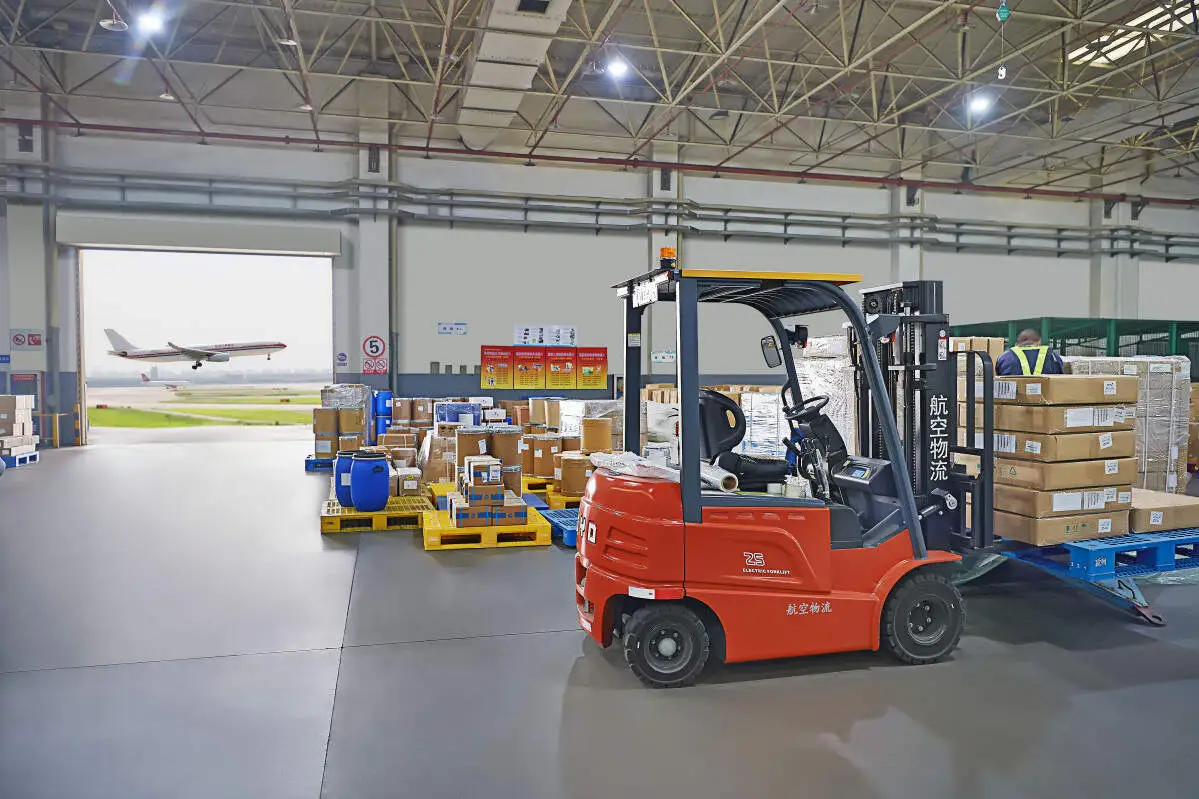
When operating industrial trucks, proper license plate installation is more than a formality—it’s a critical aspect of regulatory compliance and operational safety. Before starting any installation work, the first step is to research local and regional regulations governing forklift license plate requirements. These rules typically specify the plate’s size, placement location, visibility standards, and even the type of fasteners allowed, so ensuring alignment with these guidelines prevents potential fines and safety violations.
Next, gather the necessary tools and materials for the job. This usually includes a set of screwdrivers or wrenches, corrosion-resistant bolts and nuts, rubber washers to protect the truck’s surface, a level to ensure straight mounting, and a cleaning solution to remove dirt or rust from the installation area. Taking the time to prepare these items in advance streamlines the process and reduces the risk of mistakes mid-installation.
Once prepared, identify the correct mounting location. Most regulations mandate that license plates be placed in a position that is clearly visible from the front and sides of the forklift, often on the front fender, side frame, or a dedicated mounting bracket. Avoid areas that are prone to damage from cargo, debris, or frequent movement, as this can obscure the plate over time. Mark the drill points carefully using a pencil, ensuring the plate will be level and centered before making any holes.
When drilling holes, exercise caution to avoid damaging internal components such as wiring or hydraulic lines beneath the truck’s surface. Start with small pilot holes to guide larger drill bits, then insert the bolts with rubber washers to create a secure, vibration-resistant fit. Tighten the nuts firmly but not overly, as excessive force can warp the plate or crack the truck’s body.
After installation, conduct a thorough inspection to verify the plate is securely attached, fully visible without any obstructions, and aligned correctly. Test the forklift’s movement, including lifting and lowering cargo, to ensure the plate does not shift or become dislodged. Additionally, establish a regular maintenance routine: check the plate’s tightness every few weeks, clean it regularly to remove dirt or grime that might obscure the numbers, and replace any damaged or faded plates promptly to maintain compliance.
By following these practical notes, operators can ensure their industrial trucks meet all regulatory requirements, enhance operational safety through clear identification, and avoid unnecessary penalties or disruptions to daily operations.