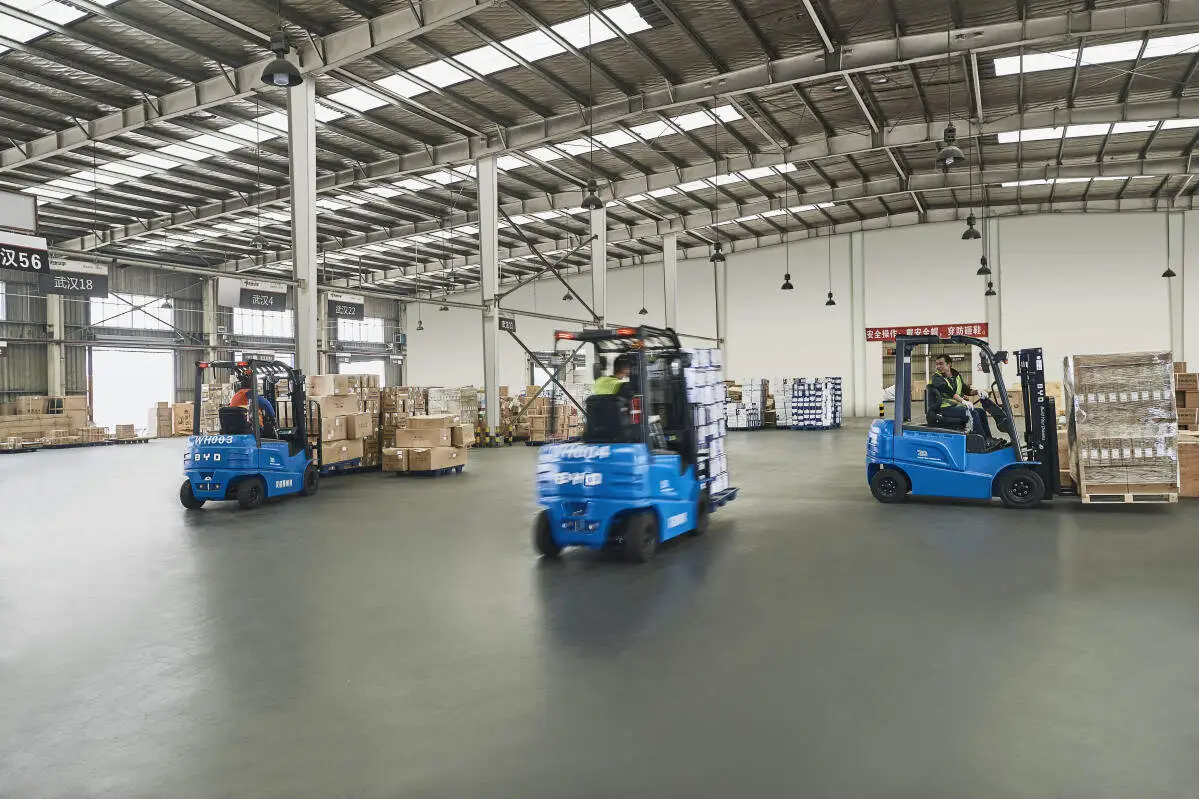
Forklifts are indispensable tools in warehouse operations, streamlining material handling and boosting productivity. However, their heavy weight and maneuverability pose significant risks to operators and nearby personnel if not used correctly. Implementing standard forklift safety procedures is critical for warehouse teams to mitigate hazards, reduce workplace accidents, and maintain a secure working environment.
Before operating any forklift, every team member must conduct a thorough pre-use inspection. This includes checking tire pressure, brake functionality, steering responsiveness, fluid levels (fuel, oil, hydraulic), and ensuring all lights, horns, and warning signals are working properly. Any defects or abnormalities should be reported immediately to supervisors, and the forklift should be taken out of service until repairs are completed. Skipping this step can lead to sudden equipment failure during operation, resulting in collisions, tip-overs, or load spills that endanger both people and inventory.
Proper training and certification are non-negotiable for all forklift operators. Warehouse teams should ensure that every operator completes a comprehensive training program covering forklift basics, load capacity limits, maneuvering in tight spaces, and emergency protocols. Regular refresher courses are also essential to reinforce safety knowledge and address any new operational challenges, such as changes in warehouse layout or new types of inventory. Only certified personnel should be allowed to operate forklifts, as untrained operators are far more likely to cause accidents due to lack of awareness and skill.
During daily operations, operators must adhere to key safety practices to minimize risks. This includes maintaining a safe speed, especially in crowded areas or near pedestrian walkways, where visibility may be limited. Operators should always keep a clear line of sight, using mirrors and sounding the horn when turning or approaching blind spots. Additionally, forklifts should never be used to lift personnel unless equipped with a secure, approved work platform designed for that purpose. Seatbelts must be worn at all times to reduce the risk of injury in case of a tip-over or collision.
Safe load handling is another critical aspect of forklift safety. Operators must verify the weight of the load does not exceed the forklift’s rated capacity, which is clearly marked on the equipment. Loads should be evenly distributed and secured using straps or other appropriate tools to prevent shifting during transport. When lifting loads, operators should keep the load low to the ground, especially when traveling across uneven surfaces, to maintain stability. Avoiding sudden stops, starts, or sharp turns while carrying heavy loads can significantly reduce the risk of tip-overs that can cause serious harm.
Regular maintenance and prompt incident reporting are vital to sustaining a safe forklift fleet. Warehouse teams should schedule routine inspections and maintenance by qualified technicians to address wear and tear before it becomes a safety hazard. In the event of an accident or near-miss, all details must be documented in a timely manner, including the cause, injuries, and damage to equipment or inventory. This information helps identify recurring issues and allows teams to implement corrective measures, such as additional training or equipment upgrades, to prevent future incidents.
To ensure all team members are prepared for emergency situations, warehouse teams should conduct regular safety drills. These drills can simulate scenarios such as forklift tip-overs, load spills, or fires, allowing operators to practice proper response protocols, including evacuation procedures and first aid. Drills also help reinforce safety procedures and identify any gaps in training or equipment that need to be addressed to enhance overall workplace safety.
Implementing standard forklift safety procedures is a collective responsibility for every member of the warehouse team. By prioritizing pre-use inspections, proper training, safe operation practices, load handling care, regular maintenance, and emergency preparedness, warehouses can create a safer working environment for everyone. Consistent adherence to these procedures not only reduces the risk of accidents but also enhances overall operational efficiency by minimizing downtime caused by equipment failures or injuries.