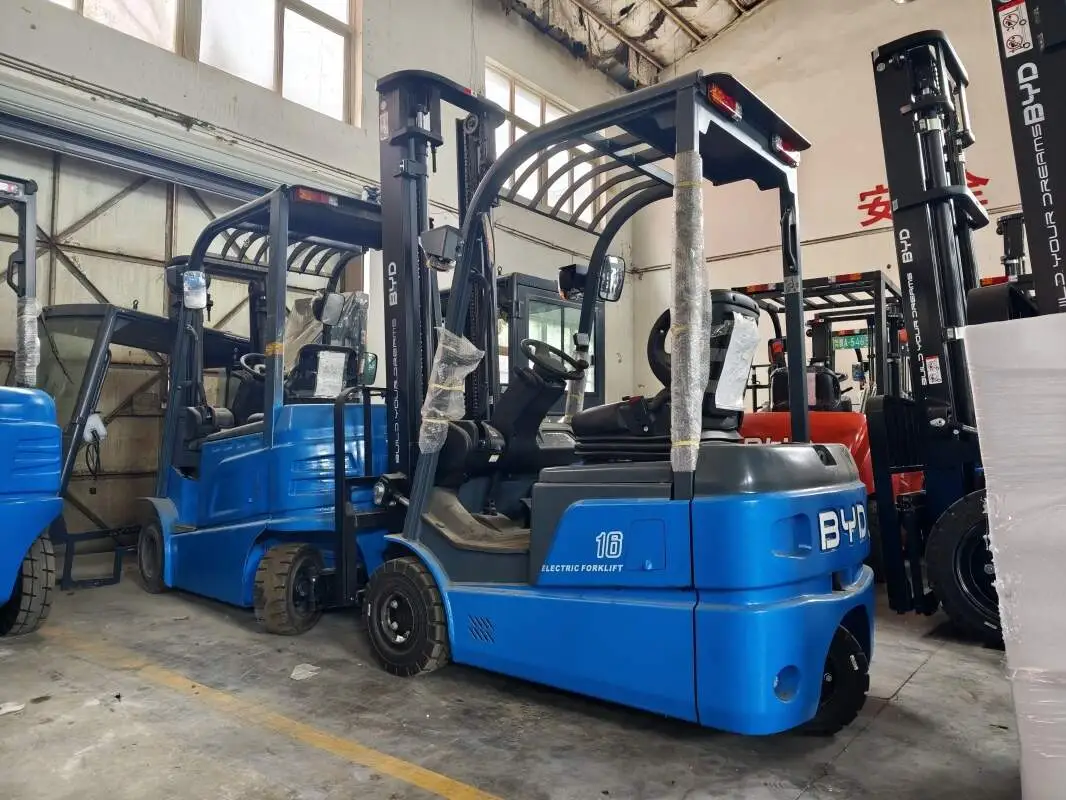
When businesses seek to partner with Apex forklift Sales for their electric forklift needs, conducting a comprehensive supplier evaluation is a critical step to ensure long-term operational efficiency and value. A thorough assessment helps identify suppliers that align with business goals, reduce risks, and support smooth daily logistics operations.
First and foremost, product quality and reliability should be at the forefront of the evaluation. Businesses need to examine the performance metrics of the electric forklifts offered by potential suppliers, such as load capacity, battery life cycle, and operational stability. Requesting access to independent performance test reports can provide objective insights into how the forklifts perform under different working conditions, including heavy-duty shifts and varied terrain. Additionally, inquiring about the durability of key components, such as mast assemblies and braking systems, helps gauge the likelihood of frequent breakdowns, which can disrupt workflow and increase maintenance costs.
After-sales service and technical support are equally important factors to consider. A reliable supplier should offer timely repair and maintenance services, with a network of technicians available to address issues promptly. Businesses should ask about average response times for emergency repairs and the availability of genuine replacement parts, as delays in these areas can lead to extended downtime. Furthermore, evaluating whether the supplier provides training programs for forklift operators and maintenance staff ensures that the team can use and care for the equipment properly, maximizing its lifespan and safety.
Cost-effectiveness is another key evaluation point, but it extends beyond the initial purchase price. Businesses need to calculate the total cost of ownership, which includes maintenance expenses, energy consumption, and potential downtime costs. Comparing quotes from different suppliers while considering these long-term costs helps identify options that offer the best value within the budget. It’s also important to clarify payment terms and any hidden fees to avoid unexpected financial burdens later on.
Compliance with industry safety and environmental standards is non-negotiable. Suppliers should be able to provide documentation proving that their electric forklifts meet relevant safety regulations, such as those related to operator protection and load handling. Additionally, checking if the equipment adheres to environmental guidelines, such as low-emission standards for battery-powered models, helps businesses maintain their own compliance with local regulations and sustainability goals.
Finally, effective communication and collaborative ability are essential for a successful partnership. A supplier that listens to business needs, responds promptly to inquiries, and offers customized solutions can better support unique operational requirements. Evaluating the supplier’s communication channels and project management processes ensures that any issues or changes can be addressed smoothly throughout the partnership.
By focusing on these key evaluation points, businesses can establish a productive and reliable partnership with Apex Forklift Sales, ensuring they receive high-quality electric forklifts and support that meets their operational demands.