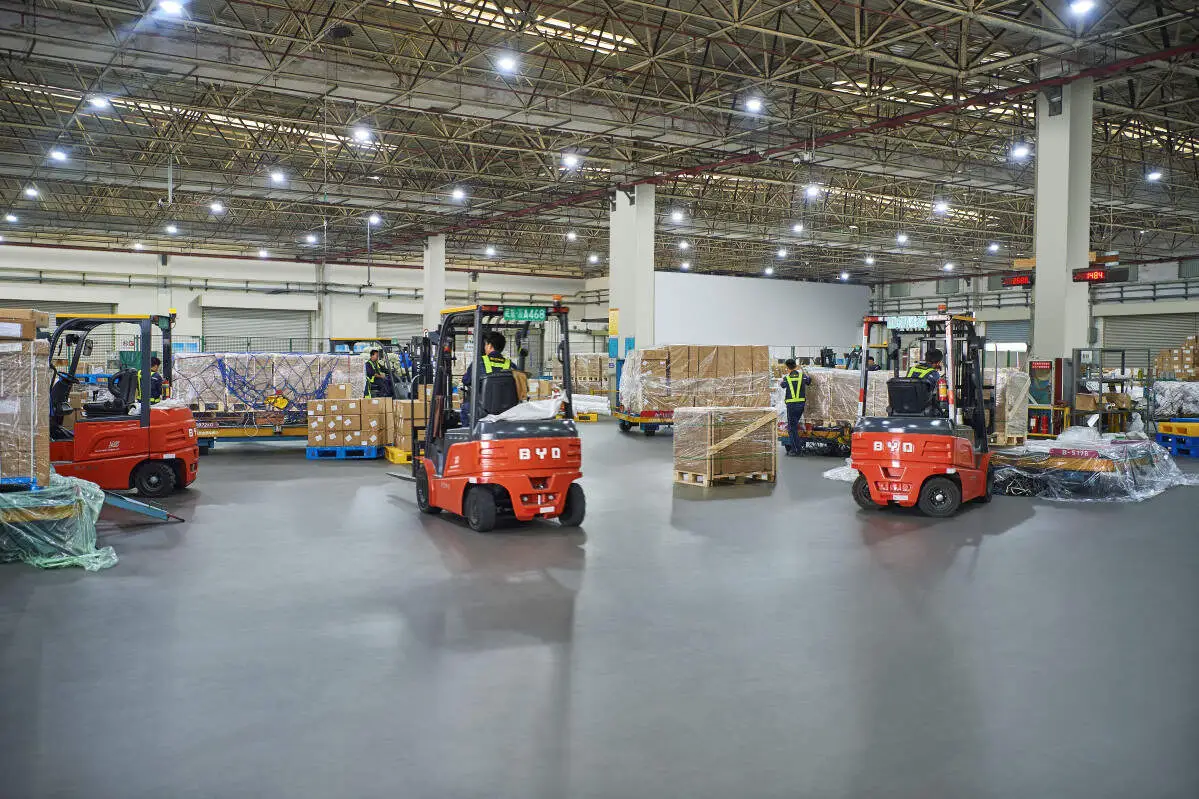
Solid tires are critical components for electric forklifts, supporting heavy loads and ensuring stable operation in industrial settings. Adhering to standard replacement guidelines is essential to maintain forklift performance, extend equipment lifespan, and minimize workplace hazards. Below is a comprehensive framework for proper solid tire replacement work.
Pre-Replacement Preparation
Before initiating any replacement work, prioritize safety and preparation. First, turn off the electric forklift, engage the parking brake, and disconnect the power source to prevent accidental movement. Use a heavy-duty jack to lift the forklift securely, placing sturdy support blocks under the chassis to stabilize it—never rely solely on the jack. Verify that you have all necessary tools, including torque wrenches, socket sets, pry bars, and cleaning brushes. Additionally, confirm that the new solid tire matches the forklift’s specifications, including size, load rating, and compatibility with the wheel hub. Inspect the new tire for visible defects such as cracks or uneven wear to avoid post-installation issues.
Step-by-Step Replacement Procedures
Start by loosening the wheel hub bolts in a diagonal pattern to distribute force evenly; do not fully remove them yet. Once the forklift is securely lifted and supported, remove the bolts completely and carefully slide the old tire off the hub. Use a wire brush or compressed air to clean the hub surface, removing dirt, rust, and debris that could interfere with the new tire’s fit. Align the new solid tire with the hub, ensuring the mounting holes match perfectly. Gently tap the tire into place with a rubber mallet if needed, avoiding excessive force that could damage the tire or hub. Reinstall the bolts, tightening them in a diagonal sequence to maintain uniform pressure. Use a torque wrench to tighten each bolt to the manufacturer-recommended torque value—over-tightening or under-tightening can lead to wheel failure or instability.
Post-Replacement Verification
After installing the new tire, lower the forklift from the jack and remove the support blocks. Conduct a visual inspection to ensure the tire is seated correctly and the bolts are properly tightened. Start the forklift and test its basic functions, including forward and reverse movement, turning, and braking, to confirm smooth operation. Drive the forklift at low speed in a controlled area to check for vibrations, unusual noises, or uneven tire wear, which may indicate improper installation. Additionally, check the tire’s alignment and ensure it sits flush against the hub without gaps. Document the replacement date and tire specifications for future maintenance reference.
Key Safety Precautions
Always assign tire replacement tasks to trained personnel with knowledge of forklift mechanics and safety protocols. Wear appropriate personal protective equipment, including heavy-duty gloves, safety goggles, and steel-toe boots, to protect against injuries from falling parts or tools. Avoid working on uneven or slippery surfaces, which can compromise the forklift’s stability. Never use damaged or mismatched tools, as they can lead to accidents or improper installation. Regularly inspect solid tires for signs of wear, such as cracks, chunking, or uneven tread, and schedule replacements before they affect forklift performance.