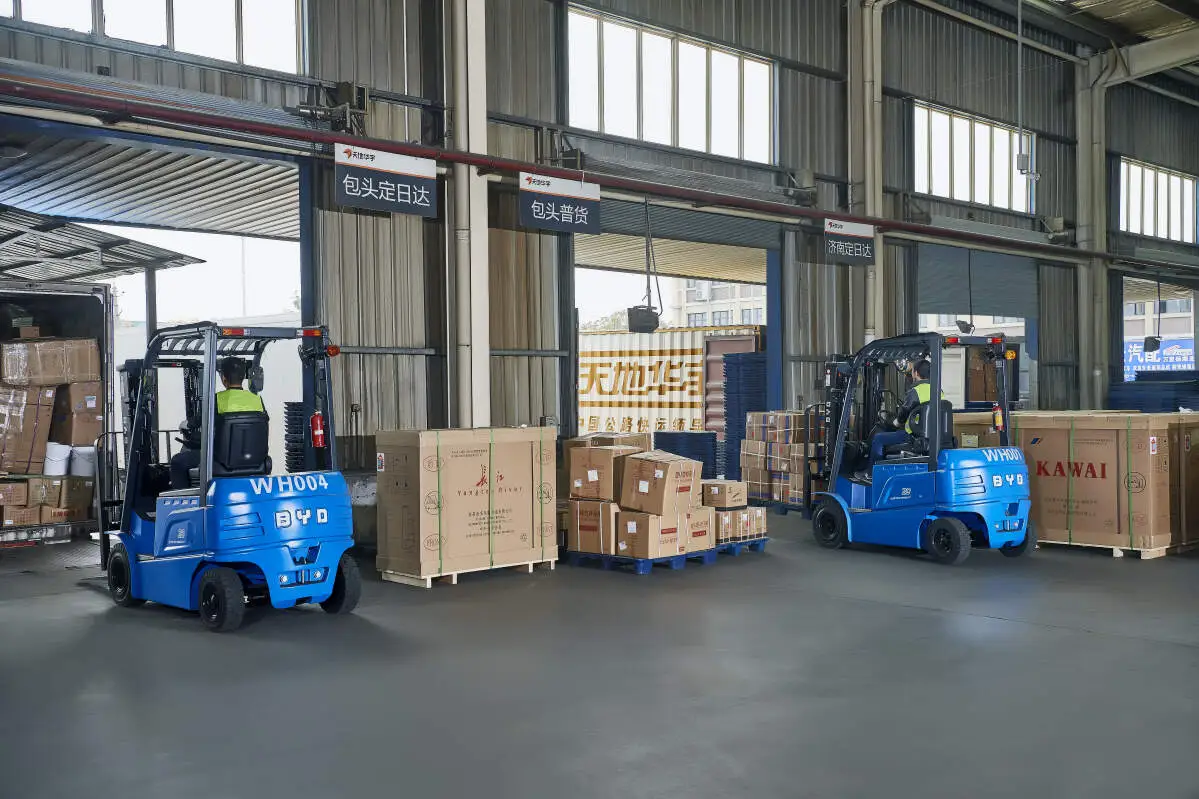
When operating forklifts across Australian worksites, selecting the correct tine dimensions is critical for ensuring safe, efficient material handling operations. Australian worksites vary widely, from compact warehouse environments in urban areas to sprawling construction sites and rural logistics hubs, each posing unique demands on forklift equipment.
The first key consideration is the type and size of loads typically handled. Australia follows standard pallet dimensions, with common sizes including 1165mm x 1165mm and 1200mm x 1000mm. Forklift tines should be long enough to extend at least two-thirds of the pallet’s depth to maintain load stability. For irregular loads such as building materials or oversized crates, tines with appropriate length and width are essential to distribute weight evenly and prevent load shifting during transport.
Workspace constraints also play a vital role in tine dimension selection. In narrow warehouse aisles or crowded urban delivery depots, shorter tines improve maneuverability, reducing the risk of collisions with racks, walls, or other equipment. Conversely, in open construction sites or rural bulk handling facilities, longer tines can accommodate larger loads and reduce the number of trips required, boosting operational efficiency. It’s important to balance tine length with the turning radius of the forklift to ensure smooth navigation in the specific worksite layout.
Compliance with Australian workplace health and safety (WHS) regulations is non-negotiable. Forklift tines must be rated to match the forklift’s maximum load capacity, and any modifications to tine dimensions must adhere to national standards. Regular inspections of tines for wear, bending, or cracks are required to prevent structural failure during operation. Operators should also receive training on how to select and use the appropriate tines for different load types and worksite conditions.
Ultimately, the right forklift tine dimensions depend on a combination of load characteristics, workspace layout, and regulatory requirements. Taking the time to assess these factors before selecting tines can minimize safety risks, improve operational efficiency, and extend the lifespan of both the forklift and its tines. Regular reviews of worksite needs and equipment performance will ensure that your forklift remains optimized for the demands of Australian worksites.