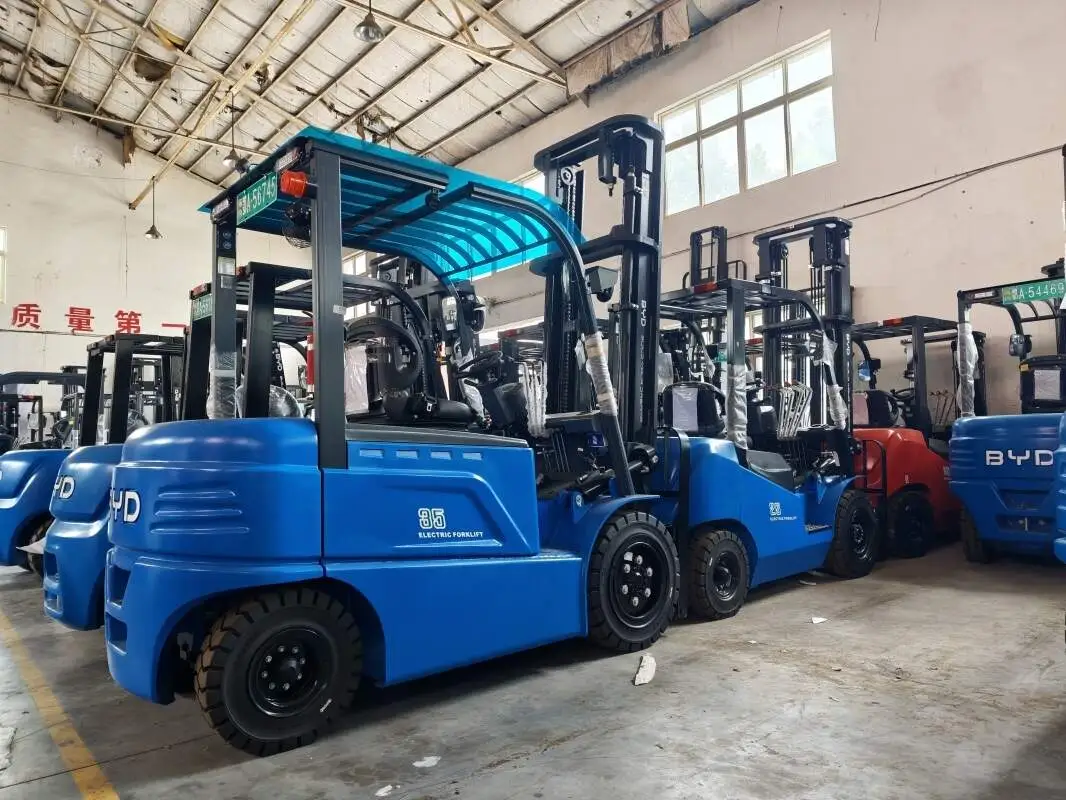
Lead-acid batteries serve as the backbone power source for most industrial forklifts, and maintaining proper water levels is a foundational practice to preserve their performance, efficiency, and longevity. Neglecting water level checks can lead to reduced battery capacity, accelerated wear on internal components, and even safety risks like acid leaks or corrosion. Below are the standard, step-by-step methods to accurately check water levels in lead-acid forklift batteries, along with critical safety and maintenance guidelines.
First, prioritize safety precautions before initiating any inspection. Park the forklift on a flat, stable surface, turn off the ignition, and disconnect the battery terminals to avoid accidental electrical discharge. Wear appropriate personal protective equipment (PPE), including impact-resistant safety goggles, chemical-resistant gloves, and a durable apron, to shield against potential acid splashes and fumes. Ensure the work area is well-ventilated to prevent inhalation of harmful battery gases.
Next, establish a regular inspection schedule to catch low water levels early. As a general standard, check the water level every 50 to 100 hours of forklift operation. For less frequently used forklifts, monthly inspections are sufficient. It’s also important to inspect the level immediately after a full charge, as charging processes accelerate water evaporation. Wait at least 30 minutes after charging to allow the electrolyte to settle, ensuring an accurate reading.
To perform the check, start by removing the battery cell caps. Some batteries feature individual caps for each cell, while others have a single, hinged cover that exposes all cells. Once the caps are removed, visually inspect each cell’s interior. The correct water level should cover the lead plates by approximately 6 to 12 millimeters (1/4 to 1/2 inch). If any lead plates are exposed, this signals the water level is too low and requires adjustment. For batteries equipped with a built-in level indicator, verify that the indicator falls between the marked "low" and "high" ranges for optimal performance.
When adjusting water levels, always use distilled or deionized water. Tap water contains minerals and impurities that can accumulate in the battery, causing internal damage and reducing its lifespan. Add water slowly in small increments to avoid overfilling—excess water can spill during charging, leading to acid loss and corrosion on battery terminals. After adjusting, securely replace all caps to prevent contamination and ensure proper ventilation during the next charging cycle.
If you notice the water level drops rapidly shortly after adjustment, this may indicate an underlying issue, such as a faulty charging system or a battery leak. In such cases, consult a qualified battery technician for further inspection and repairs to prevent more extensive damage.
By following these standard methods consistently, you can ensure your lead-acid forklift battery operates at peak efficiency, minimizes downtime, and delivers reliable power for your industrial operations. Regular water level checks, paired with proper charging and terminal cleaning, are key to maximizing battery lifespan and reducing long-term maintenance costs.