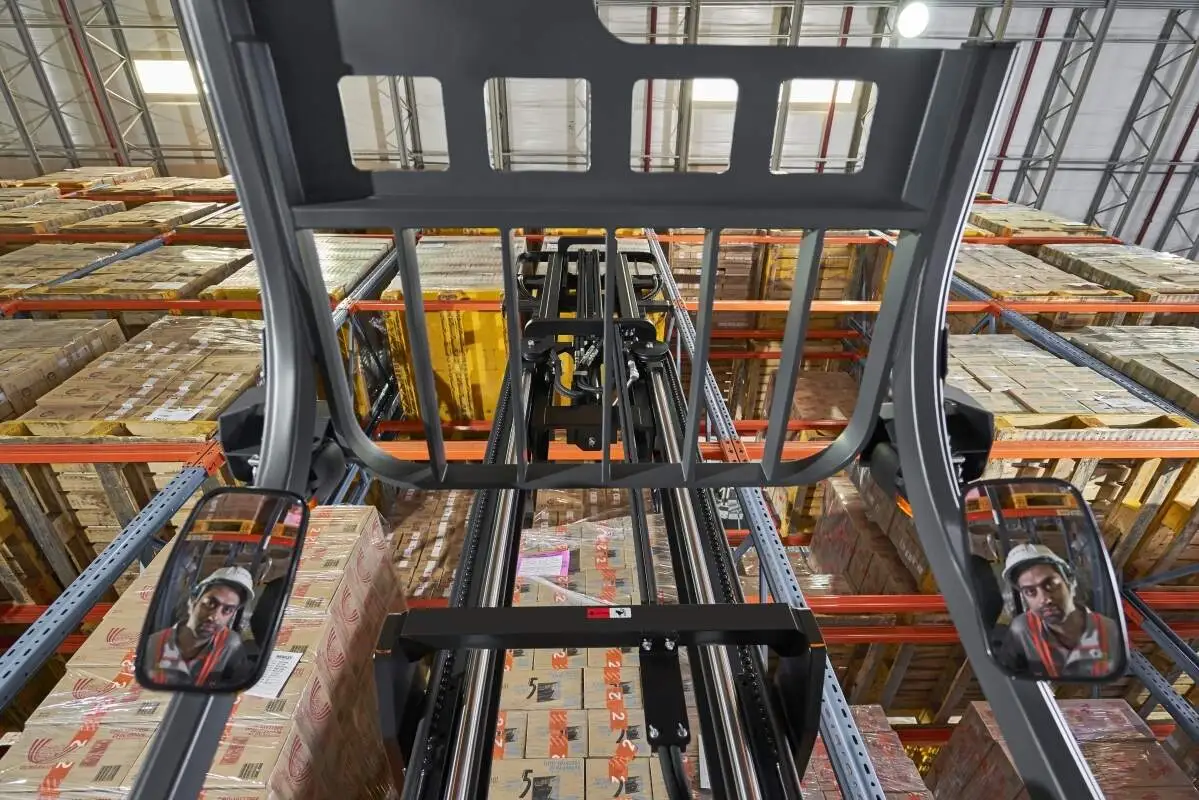
Regular daily cleaning is a critical aspect of electric forklift maintenance, as it helps prevent mechanical issues, extends equipment lifespan, and ensures safe operation in warehouse or industrial settings. By following a structured cleaning routine, operators can keep their forklifts in optimal condition and avoid unexpected downtime.
Before starting any cleaning tasks, it’s essential to prepare properly. Park the forklift in a flat, well-ventilated area away from busy traffic or hazardous materials. Turn off the power, engage the parking brake, and remove the key to prevent accidental startup. Gather necessary supplies: soft microfiber cloths, neutral pH cleaning solutions, a stiff-bristled brush, a vacuum cleaner with a narrow nozzle, and a dry cloth for sensitive electrical components.
Start with the exterior surfaces. Dip a microfiber cloth in the neutral cleaning solution, wring out excess water, and wipe down the forklift’s body, including the mast, carriage, and forks. Avoid using high-pressure water or harsh chemicals, as these can damage paint coatings or penetrate electrical enclosures. Use the stiff-bristled brush to dislodge dirt, debris, or grease from hard-to-reach areas like crevices between mast sections or fork tines. Once the exterior is clean, dry it thoroughly with a dry cloth to prevent water spots.
Next, focus on the battery area, a critical component of electric forklifts. Ensure the battery is fully disconnected before proceeding. Use a dry cloth to wipe the battery surface, removing dust and loose debris. For any mild corrosion on terminals, mix a small amount of baking soda with water to create a gentle cleaning paste, apply it with a brush, and wipe clean with a damp cloth before drying immediately. Never use excessive water near battery terminals, as this can cause electrical shorts or damage the battery cells.
Move to the control panel and operator cabin. Use a dry microfiber cloth to wipe down the control levers, steering wheel, and dashboard. Avoid spraying cleaning solutions directly onto the panel; instead, apply the solution to the cloth first to prevent liquid from seeping into electrical switches or displays. Vacuum the cabin floor and seat to remove dirt, food crumbs, or other debris. Clean ventilation grilles with the brush to ensure proper airflow, which helps maintain optimal temperature for the forklift’s electrical system.
Finally, inspect and clean the tires and undercarriage. Use the stiff brush to remove rocks, dirt, or debris trapped in the tire treads, as these can affect traction and cause uneven wear. Use the vacuum cleaner with a narrow nozzle to suck up dust and dirt from the undercarriage, paying attention to areas around the wheels and hydraulic components. After completing all cleaning steps, double-check that all components are dry, reconnect the battery if disconnected, and store cleaning supplies properly.
By adhering to these standard daily cleaning procedures, operators can ensure their electric forklifts remain reliable, efficient, and safe for daily use, reducing the need for costly repairs and extending the overall lifespan of the equipment.