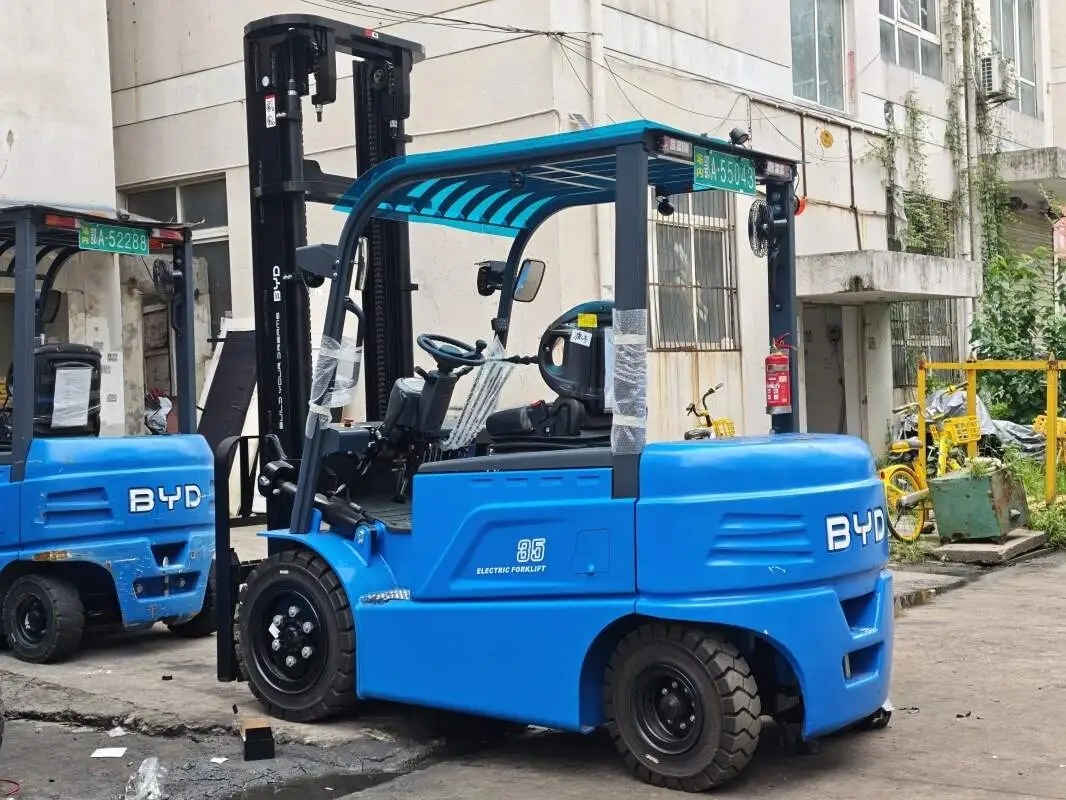
In modern warehouse and logistics operations, stacker forklifts serve as core equipment for streamlining material handling and storage tasks. Selecting the right stacker forklift demands careful consideration of multiple key factors to ensure it aligns with your operational needs and boosts overall efficiency.
First and foremost, evaluating load capacity is a foundational step. You need to assess the average weight of goods handled daily, as well as occasional peak load scenarios. Choosing a stacker forklift with a load capacity matching your typical requirements helps avoid overloading risks and ensures stable operation. Opting for a model with excessive capacity may lead to unnecessary upfront and maintenance costs, while insufficient capacity can hinder daily tasks and compromise workplace safety.
Next, lift height is another critical factor. The stacker’s maximum lift height should correspond to your warehouse shelf heights and goods stacking needs. If you regularly stack items on high shelves, ensure the selected model can reach the required height without sacrificing stability. It’s also important to account for clearance needs when lifting goods to avoid collisions with overhead structures like lighting or pipework.
The operating environment significantly influences your choice. For indoor warehouses with narrow aisles, a compact stacker forklift with strong maneuverability is ideal, as it can navigate tight spaces easily. Pay attention to floor conditions too—smooth, even floors suit standard models, while uneven or rough surfaces may require stackers with enhanced suspension systems. For outdoor operations, look for models with weather-resistant components and improved traction to handle varying ground conditions and occasional rain or snow.
Power type is a key decision point. Electric stacker forklifts are widely preferred for indoor use due to zero emissions, low noise levels, and lower maintenance requirements, making them ideal for enclosed spaces where air quality matters. For heavy-duty outdoor tasks, fuel-powered stackers may be more suitable, offering higher power output for prolonged operations. However, be mindful of fuel costs and local emission regulations when choosing this option.
Finally, usability and safety features should not be overlooked. Ergonomic design elements, such as comfortable control handles and adjustable operator positions, reduce fatigue during long shifts. Clear visibility from the operator’s station ensures safe navigation around the warehouse and among other equipment. Essential safety features like emergency stop buttons, overload protection systems, and automatic braking contribute to a safer working environment, minimizing accident risks.
By taking these factors into account, you can make an informed decision when purchasing a stacker forklift. This not only ensures the equipment meets your immediate operational needs but also supports long-term efficiency and safety in your material handling processes.