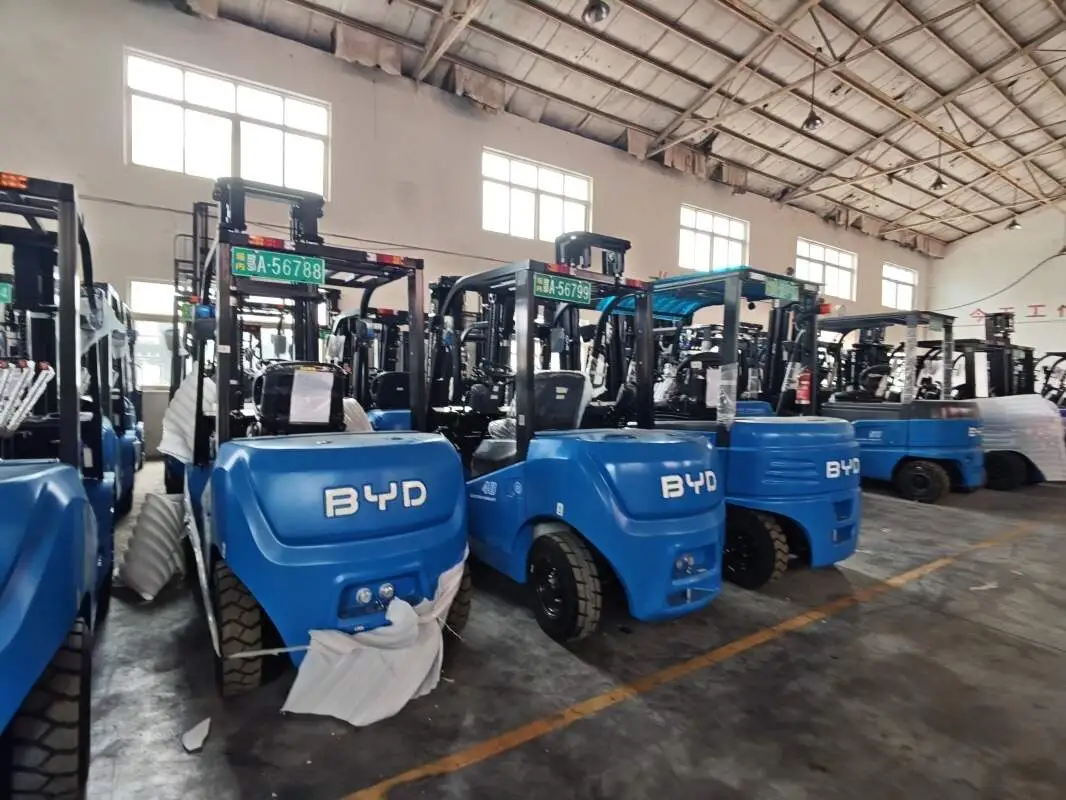
In modern material handling operations, telehandler forklift models have emerged as versatile workhorses, addressing diverse lifting and moving challenges across industrial, construction, and warehouse settings. Unlike traditional forklifts, these machines combine the lifting power of a forklift with the extended reach of a telescopic boom, creating unique advantages that streamline daily tasks and improve overall operational efficiency.
One of the primary material handling advantages of telehandler forklifts is their exceptional reach capability. The telescopic boom can extend vertically and horizontally, allowing operators to access loads stored at high heights or in hard-to-reach areas, such as upper racking systems in warehouses or elevated construction platforms. This eliminates the need for additional equipment like ladders or specialized lifts, reducing the time and resources spent on repositioning tools to complete tasks. Whether retrieving pallets from tall storage units or placing materials on upper building floors, the extended reach of telehandlers enhances accessibility without compromising stability, as these machines are designed to maintain balance even when lifting loads at maximum extension.
Telehandler forklifts also offer flexible load handling capacities that adapt to varying task requirements. Depending on the model, these machines can handle a wide range of load weights, from lightweight inventory pallets to heavy construction materials. Adjustable boom positions optimize load distribution, ensuring safe and efficient lifting across different scenarios. This versatility means a single telehandler can replace multiple pieces of equipment, such as standard forklifts and aerial lifts, reducing fleet costs and minimizing the need for frequent equipment swaps. For example, in a warehouse setting, a telehandler can move small, lightweight items during morning shifts and transition to handling heavy machinery components in the afternoon, providing a cost-effective solution for diverse material handling needs.
Another key advantage is their ability to operate across multiple environments. Telehandler forklifts are engineered to perform effectively both indoors and outdoors. Indoor models often feature compact designs and low-emission systems to navigate narrow warehouse aisles while complying with indoor air quality standards. Outdoor variants come equipped with rugged tires and enhanced stability features to handle uneven terrain, gravel, and even mild inclement weather. This cross-environment functionality ensures operations can continue seamlessly, regardless of location or conditions, without investing in separate equipment for each setting.
Beyond reach and versatility, telehandler forklifts contribute to improved operational efficiency through intuitive controls and advanced safety features. Ergonomic operator cabins reduce fatigue during long shifts, while precision controls enable smooth, accurate load positioning. Built-in safety systems like load sensors and stability monitors help prevent overloading and tipping, minimizing the risk of workplace accidents and material damage. By reducing manual labor requirements and enhancing task accuracy, telehandlers enable teams to complete more work in less time, boosting overall productivity while maintaining a safe working environment.
In summary, telehandler forklift models offer a range of material handling advantages that make them indispensable in modern industrial and logistics operations. From extended reach and flexible load capacities to cross-environment functionality and enhanced safety, these machines provide a comprehensive solution to diverse lifting and moving challenges. Integrating telehandlers into fleet operations can streamline workflows, reduce operational costs, and improve overall efficiency in material handling processes.