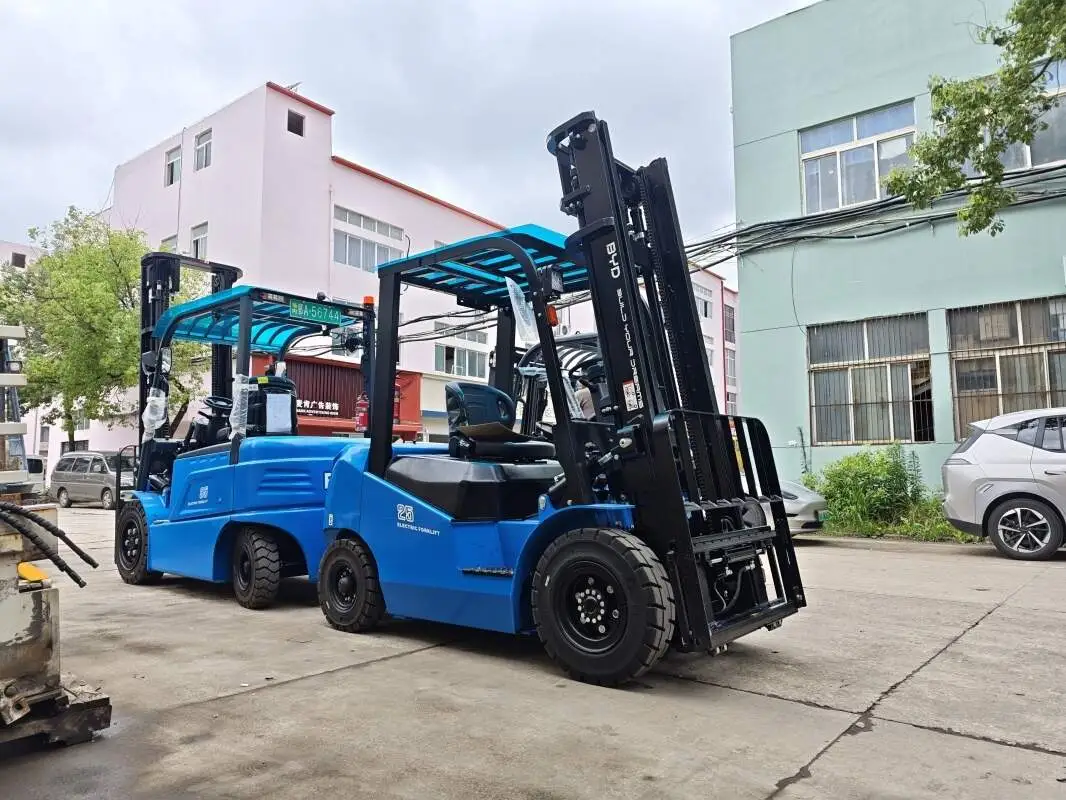
Lockout Tagout (LOTO) is a critical safety practice designed to protect workers from hazardous energy during electric forklift maintenance and repair operations. Without proper LOTO procedures, accidental startup of forklift systems can lead to severe injuries, equipment damage, and even fatalities. Below are essential safety rules to follow for electric forklift maintenance LOTO operations, ensuring a secure workplace environment for all personnel involved.
Pre-Operation Preparation
Before initiating any maintenance task, all workers must complete certified LOTO training to understand the specific hazards associated with electric forklifts, including stored electrical energy, hydraulic pressure, and moving components. Prior to starting work, identify all energy sources for the forklift, such as battery packs, hydraulic lines, and control circuits. Notify all relevant personnel, including operators, supervisors, and other maintenance staff, that the forklift will be taken out of service for maintenance to prevent accidental use.
Proper Lockout Tagout Application
Once the forklift is parked in a designated maintenance area, shut down all operating systems and turn off the main power switch. For battery-powered forklifts, disconnect the battery cables following recommended procedures to isolate electrical energy. Apply a lock to each energy isolation point using a unique lock that only the authorized maintenance worker can remove. Attach a clearly labeled tag to each lock, stating the reason for LOTO, the worker’s name, and the expected completion time of maintenance. After applying locks and tags, verify that all energy sources are effectively isolated by attempting to start the forklift and testing control functions to ensure no power is active.
Maintenance Execution Safety
During maintenance, workers must wear appropriate personal protective equipment (PPE), including safety gloves, goggles, and steel-toe boots, to protect against potential hazards such as electrical shocks or falling components. Under no circumstances should a worker remove another person’s lock or tag, even if the task seems urgent. If multiple workers are involved in the maintenance, each worker must apply their own lock and tag to the energy isolation points to ensure individual accountability. Maintain clear communication with the team throughout the process to avoid misunderstandings that could lead to unsafe conditions.
Post-Maintenance Procedures
After completing maintenance tasks, inspect the forklift to ensure all components are properly reassembled and no tools or materials are left inside or around the equipment. Before removing locks and tags, communicate with all team members to confirm that everyone has finished their work and is in a safe position. Remove locks and tags in the reverse order of application, starting with the last one applied. Once all locks are removed, restart the forklift and perform a full functional test to verify that all systems operate correctly. Notify relevant personnel that the forklift is back in service and safe for use.
Regular Training and Audits
To ensure ongoing compliance with LOTO safety rules, schedule regular refresher training sessions for all maintenance workers and forklift operators. Conduct periodic audits of LOTO procedures to identify any gaps or non-compliance issues, such as missing tags or improper lock application. Use audit findings to update training materials and improve workplace safety practices, ensuring that all personnel remain aware of the latest safety requirements for electric forklift maintenance.
Adhering to these safety rules is essential to prevent workplace accidents and protect the well-being of workers. By following proper LOTO procedures, organizations can create a safer work environment, reduce equipment downtime, and maintain compliance with occupational safety standards.