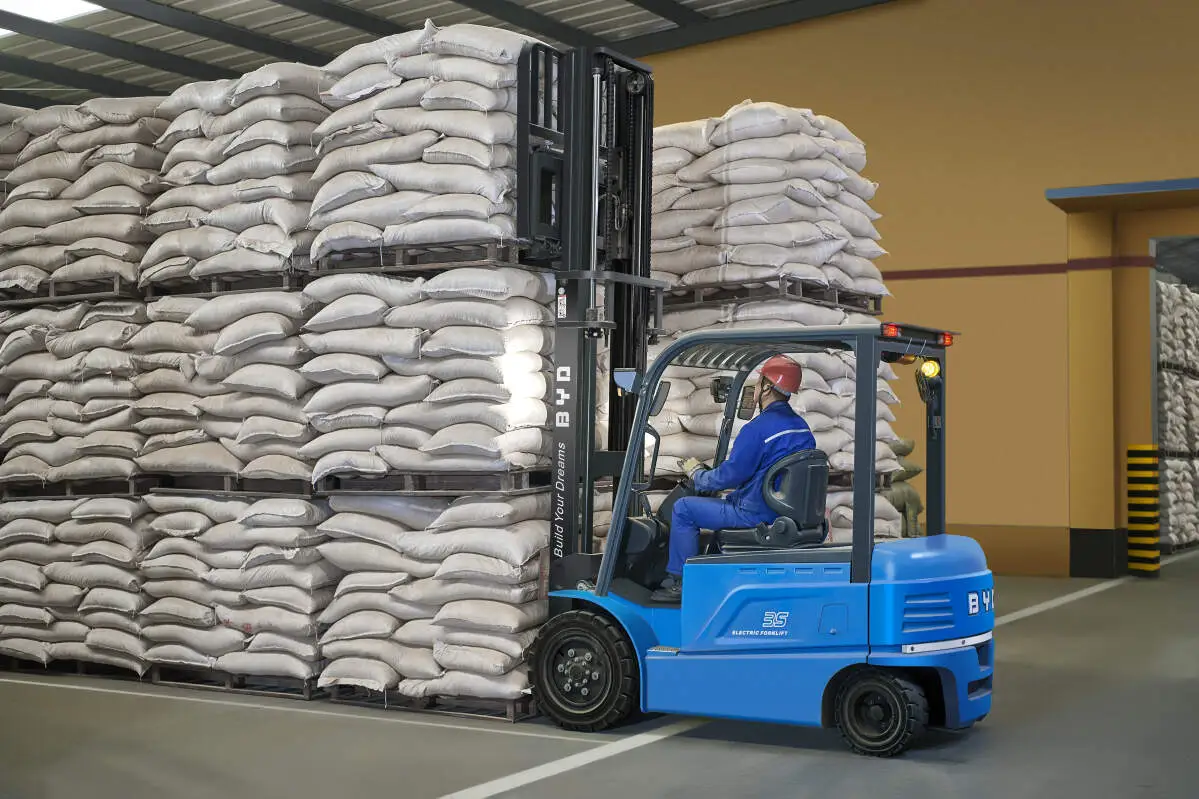
A depleted electric forklift battery is a frequent issue in industrial and warehouse environments, often triggered by prolonged inactivity, forgotten electrical components left on, or a malfunctioning charging system. Before attempting a jump start, prioritizing safety is non-negotiable to prevent injury, battery damage, or hazardous incidents.
First, prepare the necessary equipment and safety gear. Gather a compatible fully charged battery (matching the depleted forklift’s voltage) or a reliable jump pack, insulated jumper cables, heavy-duty safety gloves, and impact-resistant eye protection. Ensure the work area is well-ventilated to reduce exposure to potentially explosive battery gases.
Next, position the power source appropriately. Park the vehicle with the charged battery (or set up the jump pack) close enough to the depleted forklift so jumper cables can reach easily, but ensure the two units do not make direct contact. Turn off all electrical systems on both the depleted forklift and the power source vehicle, including lights, ignition, and auxiliary components.
Then, connect the jumper cables in the correct order to avoid sparks or short circuits. Start by attaching one positive (+) cable clamp firmly to the positive terminal of the depleted battery. Connect the other end of the positive cable to the positive terminal of the charged battery. Next, secure one negative (-) cable clamp to the negative terminal of the charged battery. Finally, attach the remaining negative clamp to an unpainted metal ground point on the depleted forklift’s frame—never connect it directly to the negative battery terminal to minimize spark risk near the battery’s gas vents.
Initiate the jump start by activating the power source. If using a jump pack, turn it on according to standard operating instructions. If using another vehicle, ensure its engine is running or its battery is supplying steady power. Let the depleted battery charge for 5 to 10 minutes to build sufficient power, then attempt to start the forklift’s power system.
Once the forklift starts successfully, keep it running for at least 15 minutes to allow the battery to recharge fully. Disconnect the cables in the reverse order of connection: first remove the negative clamp from the forklift’s ground point, then the negative clamp from the charged battery, followed by the positive clamp from the charged battery, and finally the positive clamp from the depleted battery.
Critical safety notes: Never jump-start a leaking, cracked, or damaged battery, as this can lead to chemical spills or explosions. Always wear insulated gloves and eye protection to shield against battery acid and electrical shocks. Avoid smoking or using open flames in the vicinity, as battery gases are highly flammable.
After the jump start, take steps to prevent future issues. Have the battery tested to check its health and determine if replacement is needed. Inspect the charging system to ensure it’s functioning correctly, and clean any corroded battery terminals with a wire brush to maintain good electrical connections.
By following these structured steps and safety guidelines, you can safely restore power to a depleted electric forklift battery, minimize operational downtime, and support the long-term health of your equipment’s battery system.