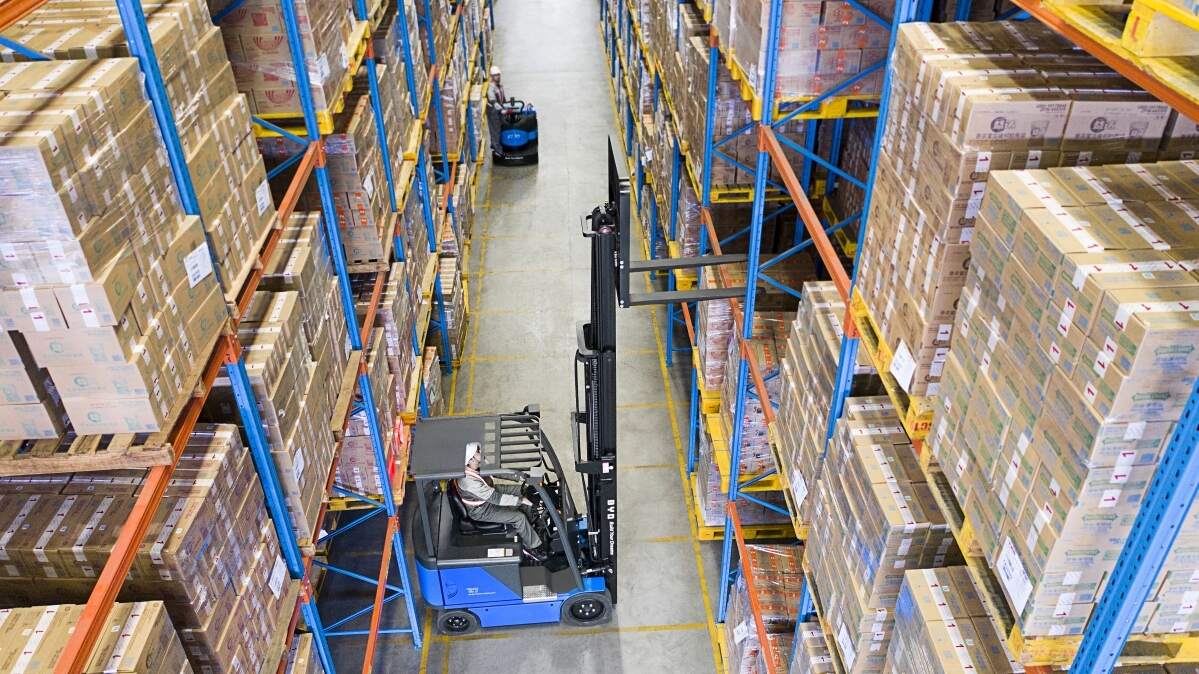
Before operating a manual transmission forklift, conducting a thorough pre-operation inspection is critical to minimizing operational risks. Start by examining the vehicle’s exterior: check tire pressure and tread condition to ensure stability, inspect fluid levels including engine oil, hydraulic fluid, and coolant to prevent mechanical failures, and verify that brakes, horns, headlights, taillights, and side mirrors are fully functional. Walk around the forklift to clear any nearby obstacles and confirm no visible damage to the mast, forks, or body could impact performance. Always double-check the load capacity plate to ensure your intended task falls within safe limits, as exceeding these limits can lead to dangerous tip-overs or structural damage.
Once pre-operation checks are complete, enter the forklift safely by gripping the designated handrail and stepping onto the operator’s platform with both feet. Adjust the seat to a comfortable position that allows full control of pedals and the steering wheel, and fine-tune the mirrors to eliminate blind spots. Engage the parking brake, shift the transmission lever to neutral, and turn the ignition key to start the engine. Allow the engine to warm up for 2-3 minutes, particularly in cold temperatures, to ensure smooth operation of the hydraulic system and transmission components before beginning any tasks.
To start driving, press the clutch pedal fully to disengage the transmission. Shift the gear lever to the appropriate gear—first gear for low-speed, heavy-load maneuvers, and higher gears for longer, flat-distance travel. Gradually release the clutch while slowly pressing the accelerator pedal to move forward smoothly, avoiding sudden jerks that could destabilize the vehicle or load. When shifting gears during operation, fully depress the clutch, move the lever to the desired gear, and smoothly release the clutch while adjusting the accelerator to maintain a steady speed. Always keep a safe distance from pedestrians, other machinery, and warehouse structures, and use the horn to alert others when turning or navigating blind corners.
When handling loads, approach the pallet slowly and align the forks evenly with the pallet’s entry points. Adjust the fork height to slide under the load without scraping the ground, then raise the forks 6-12 inches off the ground to clear obstacles while keeping the load low enough for stability. Tilt the mast backward slightly to secure the load and prevent it from shifting forward during transport. Avoid sudden turns, acceleration, or braking when carrying loads, as these actions can shift the forklift’s center of gravity and increase the risk of tip-overs. When placing a load, lower the forks slowly, tilt the mast forward slightly to ensure the load rests securely on the surface, then retract the forks and pull away carefully.
To park the forklift safely, select a flat, stable area away from high-traffic zones, loading docks, and storage racks. Shift the transmission to neutral, engage the parking brake firmly, and turn off the ignition. Lower the forks fully to the ground to reduce the vehicle’s center of gravity and prevent unauthorized use. If parking on an incline, place wheel chocks on both sides of the wheels to prevent rolling. Remove the ignition key, exit the forklift using the handrail, and ensure the area around the vehicle is clear before leaving.
Throughout all operations, prioritize safety by adhering to established protocols and staying alert to your surroundings. Only operate a manual transmission forklift if you have completed formal training and hold valid certification. Never operate the vehicle under the influence of alcohol, drugs, or fatigue, and report any mechanical issues or malfunctions to a qualified technician immediately to prevent accidents.