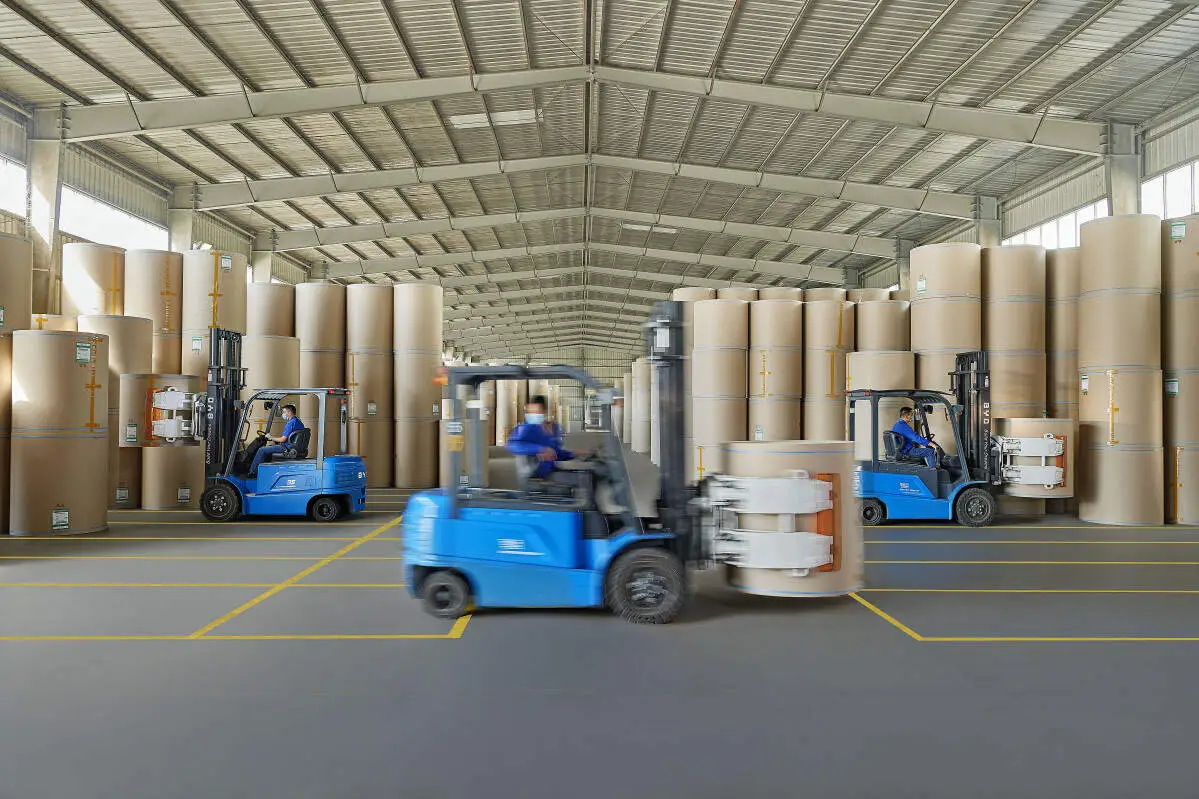
Regeneration is a critical maintenance procedure for Hyster forklifts, designed to clean the diesel particulate filter (DPF) and ensure optimal emission control and engine performance. Following the correct steps ensures the process is safe and effective, reducing the risk of component damage and keeping your forklift operating smoothly.
First, Prepare for the Regeneration Process. Before initiating regeneration, ensure the forklift is parked in a well-ventilated, open area away from flammable materials and personnel. Engage the parking brake, put the transmission in neutral, and confirm the engine is at operating temperature—typically indicated by a steady temperature gauge reading. Turn off any unnecessary accessories to avoid straining the engine during the process.
Second, Initiate the Regeneration Mode. Locate the regeneration control on the forklift’s dashboard or control panel. This may be labeled with a specific icon or text related to DPF regeneration. Press and hold the regeneration button for a few seconds until the indicator light illuminates, signaling the process has started. Some models may require you to follow additional prompts on the display, such as confirming the engine speed setting to ensure it stays within the recommended range for regeneration.
Third, Monitor the Regeneration Process. Once initiated, the forklift’s engine will increase in speed slightly to maintain the high temperatures needed to burn off accumulated particulate matter in the DPF. Keep a close eye on the indicator lights; a steady light usually means the process is ongoing, while a flashing light may indicate a problem like insufficient temperature or a minor system glitch. Do not turn off the engine or interrupt the process prematurely, as this can lead to incomplete regeneration and potential DPF blockages that require professional cleaning.
Fourth, Complete and Verify the Process. When the indicator light turns off, the regeneration process is finished. Allow the engine to idle for a few minutes to cool down before turning it off. After shutting down, inspect the dashboard for any warning lights that might suggest an unresolved issue. Start the engine again and test the forklift’s operation by moving it slowly and checking for any unusual noises or performance lags, which could signal a problem with the DPF or regeneration system.
Regular regeneration is essential to prevent DPF blockages, which can lead to reduced fuel efficiency and long-term engine damage. If the regeneration process fails to start repeatedly or completes with persistent warning lights, consult the forklift’s official manual or contact a qualified technician for further assistance. Never attempt to perform regeneration in enclosed spaces, as the process produces heat and exhaust that can pose safety hazards.