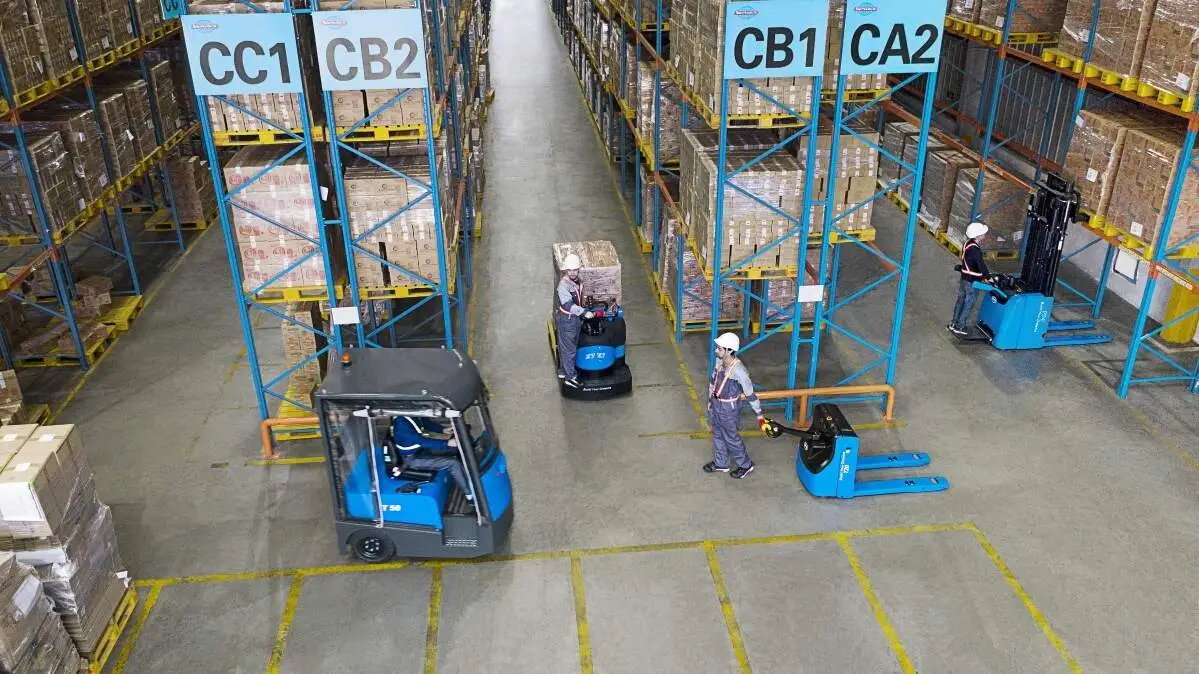
As large-scale electric forklift fleets become increasingly prevalent in warehouses and logistics centers, effective storage and charging area layout emerges as a cornerstone of seamless daily management. Poorly designed layouts can lead to operational bottlenecks, safety hazards, and reduced equipment lifespan, making adherence to key principles essential for sustained efficiency.
1. Safety-First Zone Segmentation
The primary principle in layout design is prioritizing safety through clear zone segmentation. Storage and charging areas must be physically separated to mitigate risks such as electrical short circuits or accidental collisions during charging. Each zone should be equipped with appropriate fire suppression systems, including fire extinguishers and smoke detectors, tailored to the electrical nature of electric forklifts. Additionally, clearly marked pedestrian walkways and forklift operation lanes—with sufficient width to accommodate vehicle maneuvering—help minimize interaction between personnel and equipment, reducing accident risks.
2. Optimized Space Utilization
Efficient space use is critical to accommodate large fleets without compromising accessibility. When planning storage areas, consider the dimensions and turning radii of electric forklifts to design storage racks and parking bays that fit precisely, avoiding wasted space. For charging zones, allocate individual charging bays with adequate spacing to allow technicians to perform routine maintenance while vehicles charge. Integrating vertical storage solutions where applicable can further maximize floor space, especially in facilities with limited square footage.
3. Strategic Power Distribution
A robust power distribution system is vital to support simultaneous charging for large fleets. Conduct a thorough assessment of total power requirements based on the number of forklifts and their charging capacities to ensure the electrical infrastructure can handle peak demand without overload. Implement smart charging management systems that prioritize charging for vehicles scheduled for immediate use, optimizing energy consumption and reducing wait times. This not only enhances operational efficiency but also extends battery life by preventing overcharging.
4. Streamlined Accessibility and Operational Flow
Layouts should be designed to facilitate smooth operational flow, reducing downtime associated with vehicle retrieval and charging. Position charging areas near entry/exit points of the warehouse to minimize travel time for forklifts moving between work zones and charging stations. Design clear signage to guide drivers to available parking and charging spots, and establish a scheduling system to ensure balanced use of charging resources. For high-demand periods, set up quick-charging zones to provide rapid power top-ups for vehicles needing immediate return to service.
For enterprises seeking to optimize their large-scale electric forklift fleet management, partnering with experienced providers is key. Jianshu New Energy specializes in BYD electric forklifts, offering professional guidance on storage and charging area layout tailored to your fleet size and operational needs. Reach out to us at 17399989919@163.com to explore customized solutions that enhance safety, efficiency, and longevity for your electric forklift fleet.