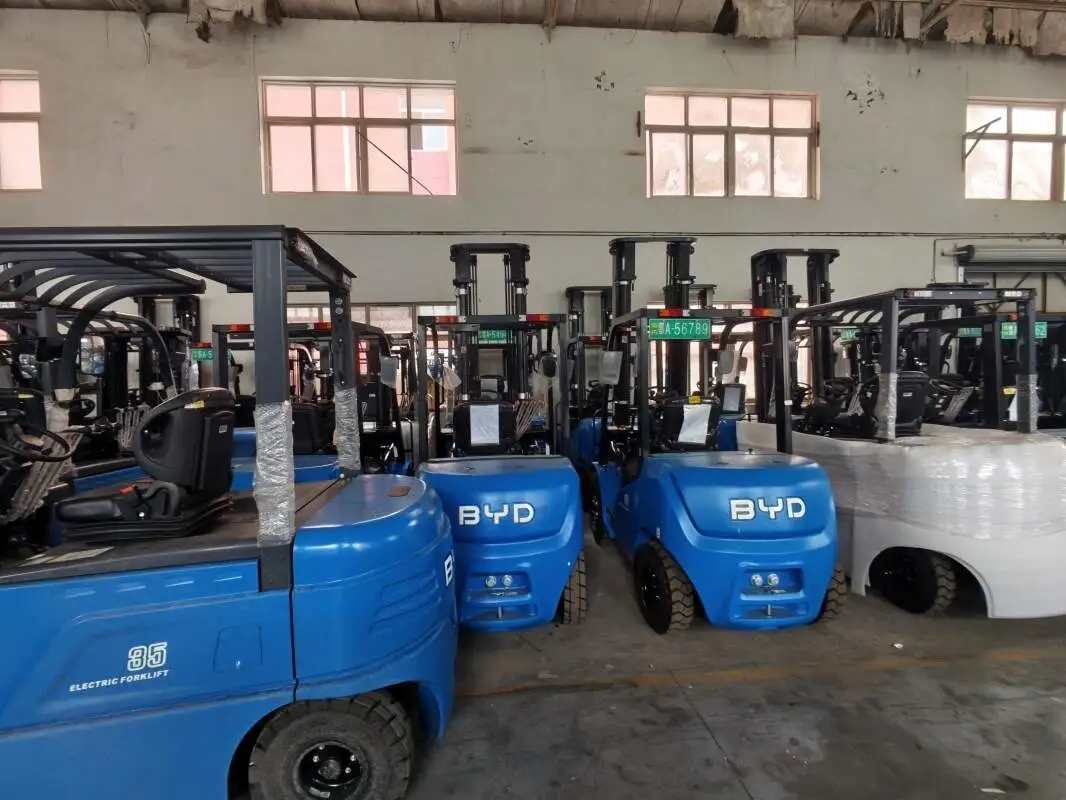
Many businesses rely on forklifts to streamline material handling operations, and over time, they accumulate a range of unused accessories and attachments such as forks, clamps, and side shifters. Proper storage of these components is critical to preserving their condition, avoiding unnecessary replacement costs, and ensuring they’re ready for use when needed.
Cleaning and Pre-Treatment Before Storage
Before putting any unused forklift accessory or attachment into storage, thorough cleaning is essential. Remove all dirt, debris, and grease from surfaces using appropriate industrial cleaners or degreasers. For smaller parts like pins or hinges, soak them in a cleaning solution to dislodge stubborn grime, then rinse and dry completely. For larger attachments, use a pressure washer to remove heavy buildup, followed by air drying to eliminate moisture trapped in crevices. This step prevents corrosion and the growth of mold, which can degrade metal components over time.
Sorting and Labeling for Easy Retrieval
Organizing unused accessories by type, size, or intended use simplifies future retrieval and reduces the risk of misplacement. Group similar items together—for example, store all pallet forks in one area and clamp attachments in another. Use clear, durable labels to mark each storage unit with details like the accessory’s model, dimensions, and compatible forklift types. Labels should be weather-resistant to remain legible even in varying storage conditions. This systematic approach saves time when you need to locate specific parts, ensuring minimal downtime during operations.
Choosing the Right Storage Environment
The storage environment plays a key role in preserving forklift accessories. Opt for a dry, well-ventilated space to prevent moisture buildup, which is a leading cause of rust and corrosion. Avoid areas exposed to direct sunlight, extreme temperatures, or fluctuating humidity levels, as these can warp plastic components and weaken metal structures. If an indoor storage area isn’t available, use waterproof covers to protect outdoor-stored attachments. Elevate accessories off the ground using pallets or racks to avoid contact with damp floors, which can accelerate corrosion.
Implementing Protective Measures
Take additional steps to shield unused components from damage. Apply a thin layer of rust-inhibiting oil to metal surfaces to create a barrier against moisture. For small, delicate parts like sensors or hydraulic components, store them in sealed plastic containers with desiccant packets to absorb residual moisture. Fragile accessories should be wrapped in foam or bubble wrap to prevent scratches or dents during storage. For larger attachments, consider using protective covers tailored to their size to shield them from dust and debris.
Conducting Regular Inspections
Even with proper initial storage, regular inspections are necessary to maintain the condition of unused accessories. Schedule monthly checks to assess for signs of rust, mold, or damage. Inspect storage areas for leaks or changes in humidity levels that could compromise component integrity. If any issues are detected, address them promptly—remove rust with a wire brush and reapply rust inhibitor, or replace damaged packaging to restore protection. These routine checks help catch problems early, preventing minor issues from becoming major, costly repairs.
In conclusion, investing time in proper storage practices for unused forklift accessories and attachments pays off in the long run. By following these practical suggestions, businesses can extend the lifespan of their components, reduce replacement expenses, and ensure that critical parts are in good working condition when needed. This not only supports efficient material handling operations but also contributes to overall cost savings and operational reliability.