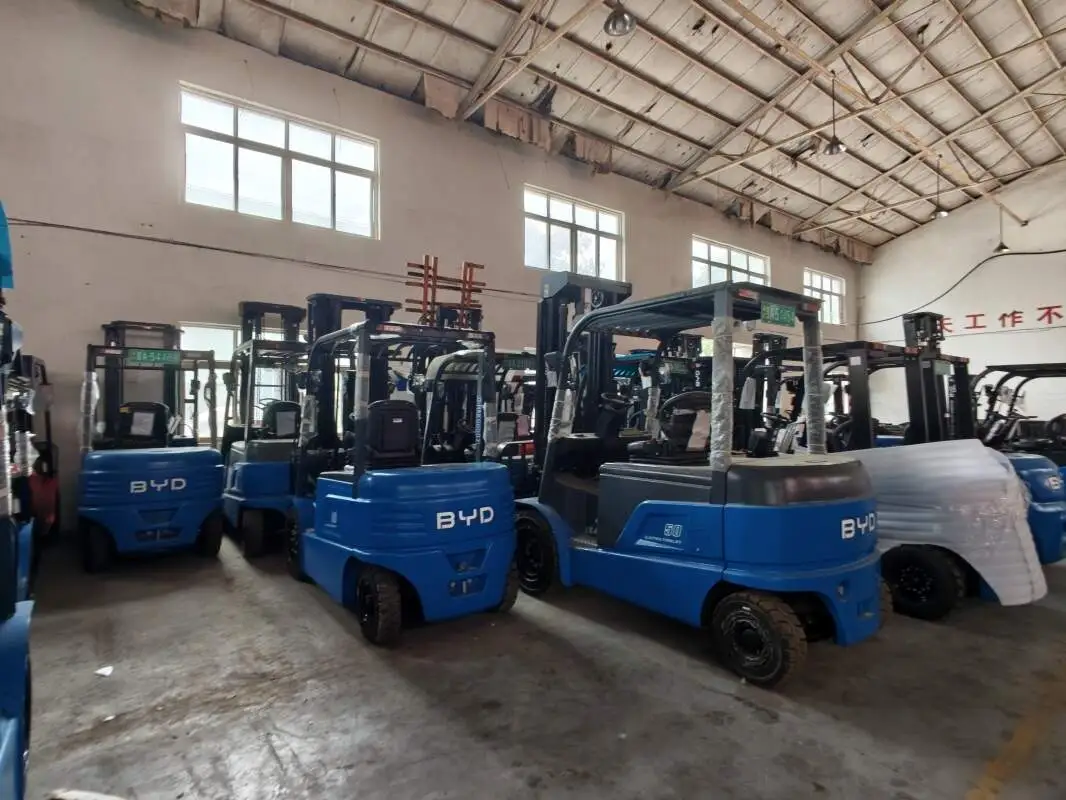
Forklifts are workhorses in warehouses, construction sites, and logistics hubs, operating in diverse environments that expose their surfaces to corrosion, abrasion, UV radiation, and chemical spills. Choosing the right coating paint is critical to extending the forklift’s lifespan, maintaining its appearance, and reducing long-term maintenance costs.
Epoxy coatings are a top choice for indoor forklifts in enclosed spaces like warehouses. They offer exceptional resistance to chemical spills, oil, and abrasion, forming a hard, durable surface that withstands frequent contact with pallets and concrete floors. These coatings adhere well to properly prepared metal, creating a moisture barrier that prevents rust. However, epoxy degrades under prolonged UV exposure, making it less suitable for outdoor use.
For forklifts used outdoors or in mixed settings, polyurethane coatings excel. They provide superior UV resistance, preventing fading and chalking from sunlight. Additionally, polyurethane offers strong abrasion and chemical resistance, ideal for rough terrain or occasional chemical exposure. Its glossy finish enhances appearance and simplifies cleaning.
Acrylic coatings are cost-effective for light to moderate-use forklifts, such as those in small warehouses. They dry quickly, reducing maintenance downtime, and offer decent resistance to minor abrasions and UV rays. While less durable than epoxy or polyurethane, acrylic coatings are easy to reapply, making them practical for budget-conscious operations.
Zinc-based coatings act as high-performance primers for rust protection. Operating on a sacrificial anode principle, the zinc layer corrodes before underlying steel, preventing rust even if scratched. They are often paired with epoxy or polyurethane topcoats to boost durability, making them perfect for high-humidity or coastal environments.
When selecting a coating, consider operating environment: indoor models benefit from epoxy, while outdoor ones need UV-resistant polyurethane. Usage frequency matters too—heavy-duty forklifts require durable epoxy or polyurethane, while light-use units can use acrylic. Maintenance costs should also be evaluated, as some coatings need specialized application or frequent reapplication.
Proper surface preparation ensures coating adhesion. Clean the forklift’s surface to remove dirt, oil, and grease, then sandblast or grind to eliminate rust and create a rough texture. Apply thin, even layers with adequate drying time between them. Regular inspections and touch-ups will maintain coating integrity and extend its lifespan.