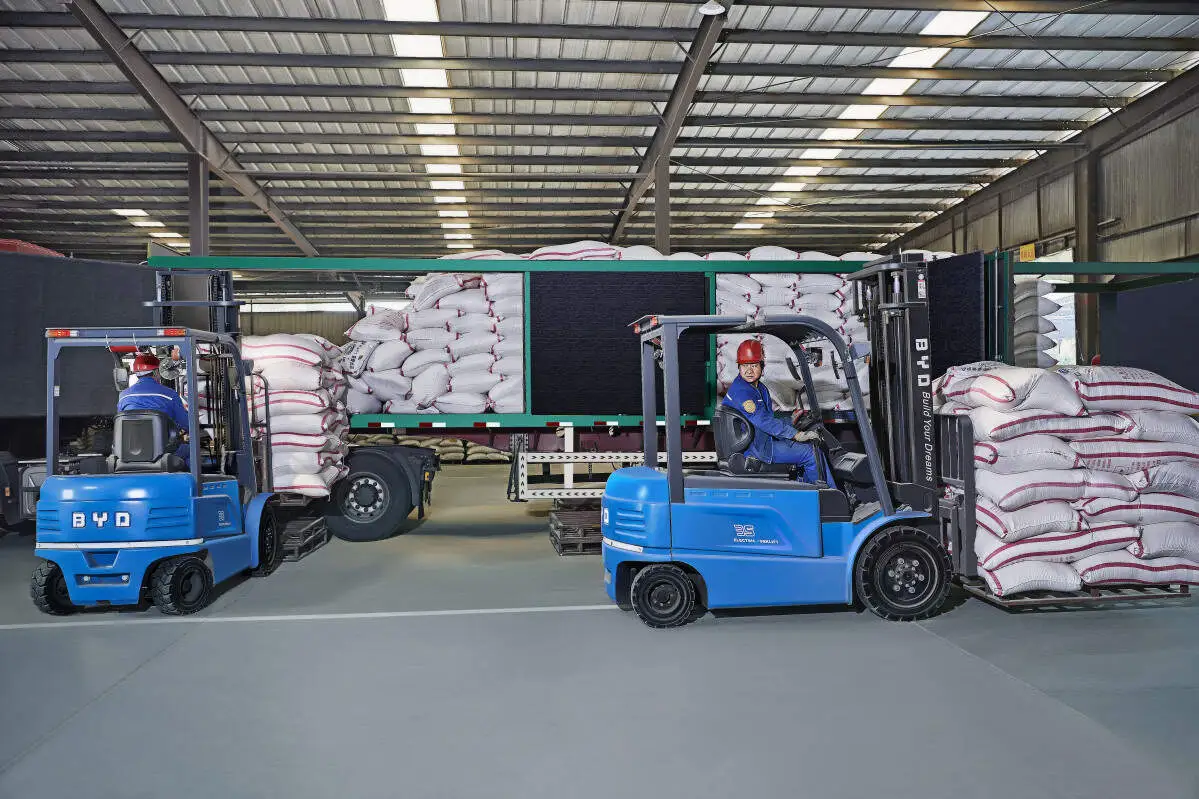
Selecting the right fork dimensions for your electric forklift is more than a matter of matching load capacity; it’s about ensuring seamless, safe interaction with pallets. Pallet entry clearance—the space between the forklift forks and the pallet’s fork openings—plays a critical role in preventing damage to both the equipment and goods, as well as reducing the risk of workplace accidents. Below are essential tips to help you accurately confirm pallet entry clearance when choosing fork dimensions for your electric forklift.
Start with precise pallet measurements. Before evaluating fork dimensions, you need to gather accurate data on the pallets you’ll handle. Focus on two key metrics: the internal width of the pallet’s fork openings and the depth of these openings. Use a reliable measuring tape to record these values, noting variations between different pallet types you use. Standard pallets may have slight differences, so measure multiple samples to get an average. This data forms the foundation for selecting forks that fit comfortably without being too loose or tight.
Match fork dimensions to pallet specifications. Once you have pallet measurements, compare them to potential fork dimensions. The width of the forks should allow a small clearance—typically 10mm to 20mm on each side—when sliding into pallet openings. Too little clearance makes insertion difficult, while excessive clearance can cause pallets to shift during transport. Additionally, ensure fork length extends at least two-thirds of the pallet’s depth for stable support; short forks risk pallet tipping or slipping.
Account for operational variables. Pallet entry clearance isn’t just about static measurements. Consider real-world factors like uneven warehouse flooring, which can affect fork alignment with pallet openings—slightly larger clearance may be needed to accommodate minor misalignments. Heavier loads can cause slight fork flex, so a clearance margin prevents forks from getting stuck in openings. Frequent pallet handling leads to wear on forks and pallets, so appropriate clearance can extend their lifespan.
Conduct on-site compatibility tests. Even with precise measurements, hands-on testing is crucial. Narrow down fork options and test them with your actual pallets in your operational environment. Practice inserting and removing forks, observing for rubbing or difficulty that indicates insufficient clearance. Test with different load weights to ensure forks maintain proper clearance under stress. This step confirms the selected dimensions suit your specific needs.
By following these tips, you can ensure your electric forklift’s fork dimensions provide the right pallet entry clearance, enhancing operational efficiency and safety. If you’re in need of reliable electric forklifts tailored to your business requirements, Jian Shu New Energy specializes in BYD electric forklifts. Our team can provide expert guidance to help you select the perfect fork dimensions and equipment for your operations. For more information, feel free to contact us at 17399989919@163.com.